Rajasthan Leads PM KUSUM Decentralised Solar Capacity
POWER & RENEWABLE ENERGY

Rajasthan Leads PM KUSUM Decentralised Solar Capacity

Rajasthan has emerged as the leading state in deploying decentralised solar power under PM KUSUM, recording 1,236 MW of decentralised solar capacity since 2021-22 and ranking third nationally in standalone solar pump installations, according to information presented in the Lok Sabha. The Minister of State for New and Renewable Energy replied to questions from Members of Parliament Rahul Kaswan and Brijendra Singh Ola and attributed the performance to strong state participation and growing farmer awareness. The account noted sustained implementation across districts.

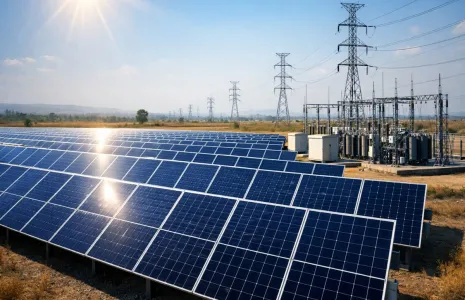
Component A, which promotes decentralised solar power plants of up to two MW on farmers' land, has seen Rajasthan commission more than 1,236 MW since 2021-22. In the first quarter of FY 2026-27 the state added 500.09 MW, representing nearly 74 per cent of the 673.97 MW installed across India in the period. Officials said the concentrated additions reflected focused deployment and state coordination.

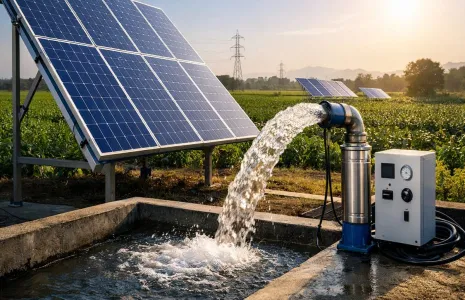
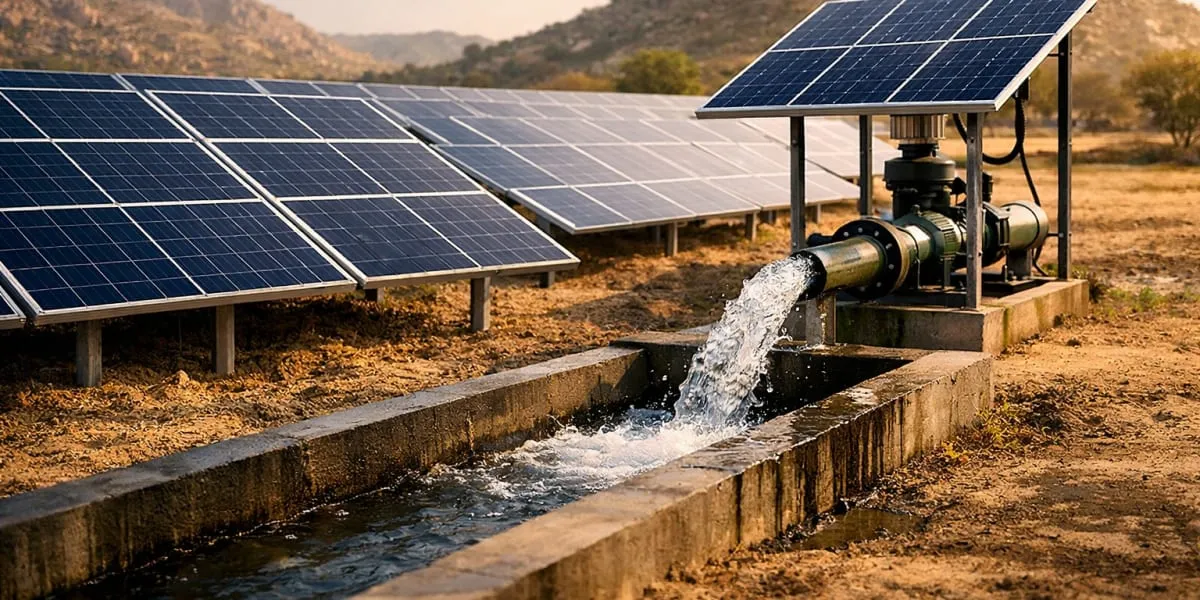
Under Component B Rajasthan installed 127,639 standalone solar pumps between 2020-21 and June 2026, while Maharashtra leads with 551,971 pumps followed by Haryana with 194,969 and Uttar Pradesh and Jharkhand completing the top five. Nationwide, more than 1.149 million (mn) standalone solar pumps have been installed under the scheme. The state installed 27,701 pumps during the current financial year up to June, after 33,713 pumps in FY 2025-26 and 31,588 in FY 2022-23.

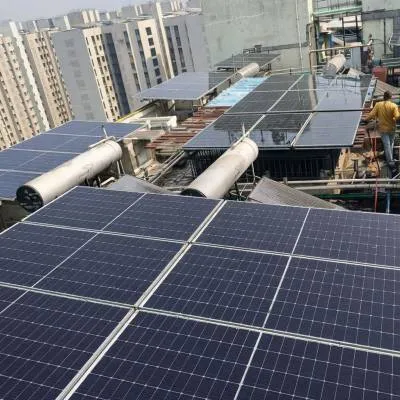
Under Component C, focused on solarisation of grid connected agricultural pumps and feeders, Rajasthan solarised 168,000 agricultural pumps during FY 2025-26 and an additional 29,887 pumps in the current financial year up to June. The Centre said PM KUSUM is demand driven and allocations are based on proposals submitted by states and their implementation performance, with factors such as farmer participation, land availability, timely state financial contribution and feeder segregation affecting outcomes. A third party evaluation by PTC India Ltd found that PM KUSUM accelerated decentralised renewable energy deployment, improved irrigation reliability and increased farmers' incomes by around 40 per cent through solar powered irrigation systems.

Rajasthan has emerged as the leading state in deploying decentralised solar power under PM KUSUM, recording 1,236 MW of decentralised solar capacity since 2021-22 and ranking third nationally in standalone solar pump installations, according to information presented in the Lok Sabha. The Minister of State for New and Renewable Energy replied to questions from Members of Parliament Rahul Kaswan and Brijendra Singh Ola and attributed the performance to strong state participation and growing farmer awareness. The account noted sustained implementation across districts. Component A, which promotes decentralised solar power plants of up to two MW on farmers' land, has seen Rajasthan commission more than 1,236 MW since 2021-22. In the first quarter of FY 2026-27 the state added 500.09 MW, representing nearly 74 per cent of the 673.97 MW installed across India in the period. Officials said the concentrated additions reflected focused deployment and state coordination. Under Component B Rajasthan installed 127,639 standalone solar pumps between 2020-21 and June 2026, while Maharashtra leads with 551,971 pumps followed by Haryana with 194,969 and Uttar Pradesh and Jharkhand completing the top five. Nationwide, more than 1.149 million (mn) standalone solar pumps have been installed under the scheme. The state installed 27,701 pumps during the current financial year up to June, after 33,713 pumps in FY 2025-26 and 31,588 in FY 2022-23. Under Component C, focused on solarisation of grid connected agricultural pumps and feeders, Rajasthan solarised 168,000 agricultural pumps during FY 2025-26 and an additional 29,887 pumps in the current financial year up to June. The Centre said PM KUSUM is demand driven and allocations are based on proposals submitted by states and their implementation performance, with factors such as farmer participation, land availability, timely state financial contribution and feeder segregation affecting outcomes. A third party evaluation by PTC India Ltd found that PM KUSUM accelerated decentralised renewable energy deployment, improved irrigation reliability and increased farmers' incomes by around 40 per cent through solar powered irrigation systems.

Next Story
Infrastructure Transport

Government Plans Rs 450 bn Rail Investment Along Borders

The government plans to invest Rs 450 bn to upgrade railways along borders with China, Pakistan and Bangladesh, the press release said. The programme will run over 18 to 24 months and will finance new tracks, platforms and network strengthening across Punjab, West Bengal, Himachal Pradesh, Rajasthan, Assam and several northeastern states. That is about $4.7 bn. Officials indicated the initiative represents nearly 22 per cent of all railway infrastructure outlay planned over the next two years and is among the most significant strategic infrastructure pushes in recent years. The plan extends be..

Next Story
Infrastructure Transport

Indian Railways Approves Daily Express Between Mumbai CSMT And Sawantwadi Road

Indian Railways has approved a new daily express service between Chhatrapati Shivaji Maharaj Terminus (CSMT), Mumbai, and Sawantwadi Road to boost rail connectivity across Maharashtra and the Konkan region. The service will operate over a 510-km route and will run daily as Train No. 15087 CSMT–Sawantwadi Road Express and Train No. 15088 Sawantwadi Road–CSMT Express. It is intended to provide direct and reliable rail connectivity for passengers travelling for tourism, education, employment and business. The Ministry of Railways said the move forms part of ongoing efforts to expand passenger..

Next Story
Infrastructure Urban

SECR Invites Rs 4550.2 mn EPC Tender For Chhattisgarh Line

South East Central Railway (SECR) has invited bids for an engineering, procurement and construction (EPC) contract worth Rs 4550.2 mn for a section of the Dallirajhara-Rowghat-Jagdalpur New Railway Line in Chhattisgarh. The contract covers a nearly 30 km stretch between Kurkanar and Bhanpuri and forms part of the larger corridor linking the mineral-rich Bastar region with the state rail network. The authority has positioned the package as a key link to improve passenger and freight movement within the region. Tender documents carry tender number CAO-C-BSP-26-27-14 and an earnest money deposit ..

Advertisement

Subscribe to Our Newsletter

Get daily newsletters around different themes from Construction world.

STAY CONNECTED

Advertisement

Advertisement

Advertisement