SECI Floats BoS Tender For 70 MW Solar And 25 MW BESS In Andhra Pradesh
POWER & RENEWABLE ENERGY

SECI Floats BoS Tender For 70 MW Solar And 25 MW BESS In Andhra Pradesh

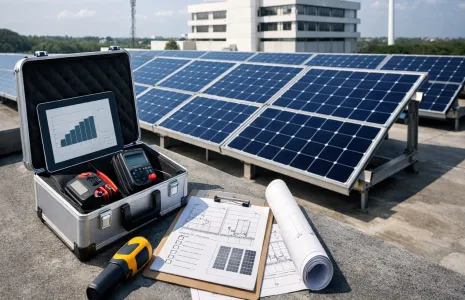
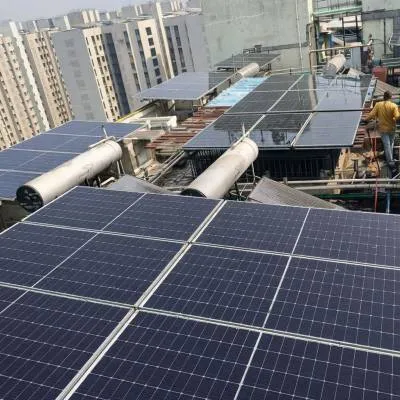
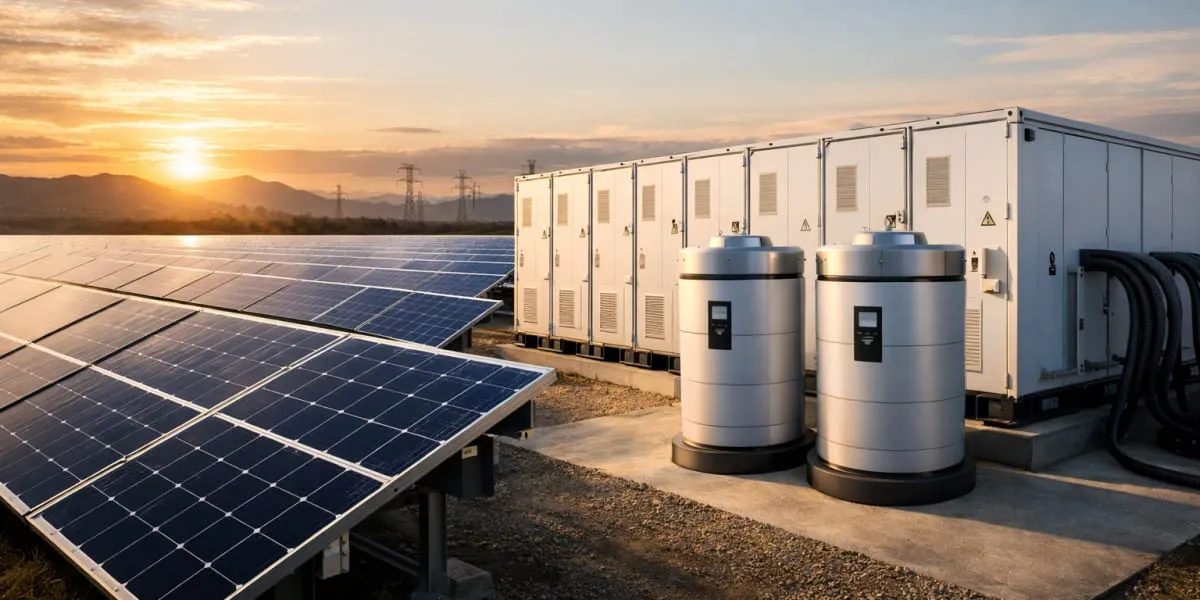
The Solar Energy Corporation of India (SECI) has issued a Balance of System (BoS) tender for a grid-connected 70 MW (AC) / 91 MW (DC) solar photovoltaic project with a 25 MW / 50 MWh Battery Energy Storage System (BESS) at Ramagiri in Sri Sathya Sai District, Andhra Pradesh. The tender was released on June 24, 2026 under Tender Number SECI/C&P/OP/11/0002/26-27 as Package-1 of a 50 MW Firm and Dispatchable Renewable Energy hybrid project.

Under the tender the selected contractor will execute the full BoS scope on a turnkey basis, including design, engineering, procurement, supply, installation, testing, commissioning and performance demonstration of the solar plant and storage system. Solar photovoltaic modules will be supplied separately by the project owner and are excluded from the contractor’s procurement scope.

The contractor will manage module handling activities including receiving, unloading, storage, inspection, packaging and transportation, together with civil works, statutory approvals, insurance and erection activities. After successful commissioning the bidder will be required to provide comprehensive operation and maintenance services for a period of five years.

Bidding will be conducted online through the ISN-ETS portal using a Single Stage Two Envelope system followed by an e-Reverse Auction, with participation restricted to Indian companies under domestic competitive bidding guidelines. The tender mandates the use of Class-I local suppliers for solar inverters, ensuring a minimum local content requirement of 50 per cent and requiring compliance with regulations concerning entities from countries that share land borders with India.

The tender processing fee has been fixed at Rs 25,000 plus applicable GST with exemptions for eligible micro and small enterprises, while an earnest money deposit of Rs 38.1 million (mn) must be submitted via approved financial instruments such as a bank guarantee or insurance surety bond. SECI has indicated that the final contract value may be adjusted based on actual module efficiency subject to a maximum variation limit of ten per cent, and Independent External Monitors have been appointed under an Integrity Pact to promote transparency and accountability.

"Join industry leaders at RAHSTA Expo, India's premier platform for roads, highways and traffic infrastructure. Register now to explore innovations, network with experts and shape the future of mobility."

The Solar Energy Corporation of India (SECI) has issued a Balance of System (BoS) tender for a grid-connected 70 MW (AC) / 91 MW (DC) solar photovoltaic project with a 25 MW / 50 MWh Battery Energy Storage System (BESS) at Ramagiri in Sri Sathya Sai District, Andhra Pradesh. The tender was released on June 24, 2026 under Tender Number SECI/C&P/OP/11/0002/26-27 as Package-1 of a 50 MW Firm and Dispatchable Renewable Energy hybrid project. Under the tender the selected contractor will execute the full BoS scope on a turnkey basis, including design, engineering, procurement, supply, installation, testing, commissioning and performance demonstration of the solar plant and storage system. Solar photovoltaic modules will be supplied separately by the project owner and are excluded from the contractor’s procurement scope. The contractor will manage module handling activities including receiving, unloading, storage, inspection, packaging and transportation, together with civil works, statutory approvals, insurance and erection activities. After successful commissioning the bidder will be required to provide comprehensive operation and maintenance services for a period of five years. Bidding will be conducted online through the ISN-ETS portal using a Single Stage Two Envelope system followed by an e-Reverse Auction, with participation restricted to Indian companies under domestic competitive bidding guidelines. The tender mandates the use of Class-I local suppliers for solar inverters, ensuring a minimum local content requirement of 50 per cent and requiring compliance with regulations concerning entities from countries that share land borders with India. The tender processing fee has been fixed at Rs 25,000 plus applicable GST with exemptions for eligible micro and small enterprises, while an earnest money deposit of Rs 38.1 million (mn) must be submitted via approved financial instruments such as a bank guarantee or insurance surety bond. SECI has indicated that the final contract value may be adjusted based on actual module efficiency subject to a maximum variation limit of ten per cent, and Independent External Monitors have been appointed under an Integrity Pact to promote transparency and accountability.

Next Story
Real Estate

NICMAR’s campus is a live lesson in construction methodology

At NICMAR University, architecture becomes a live lesson in construction innovation. Pankaj Nande, Principal Architect, TDC Architecture and Design, explains how Alumil’s fenestration systems helped turn a precast campus vision into a functional, durable and future-facing learning environment for the next generation of builders.Please take us through your journey as an architect and some of the projects you have worked on.I am the founder of TDC- Architecture & Design, Pune. Our journey started with the thought of doing justice not only to design, but also to construction methodology, te..

Next Story
Infrastructure Urban

India needs to build a building health operating system

Cyond is bringing engineering-led diagnostics, AI-assisted data and standardised repair systems to building preservation, after screening nearly 1.5 lakh buildings and finding water-related deterioration in 67 per cent. In this interaction with Construction World, Sunil Gorle, Founder, Cyond, discusses how building health insights can make maintenance more predictive.What business opportunity did Cyond identify in structural diagnostics and waterproofing?India has invested trillions of rupees in creating its built environment. Yet, many assets expected to last 70-100 years begin showing deteri..

Next Story
Infrastructure Urban

Waterproofing Blueprint

Waterproofing buildings used to be an annual pre-monsoon affair but the evolution of real-estate development has changed that approach. In new developments, developers are weaving waterproofing solutions into both the design and construction phases, an approach that Nikhil Madan, Managing Director, Mahima Group, says, “is all about ensuring lasting durability [of the building] and keeping lifecycle risks including water seepage and extensive maintenance to a minimum.”Watertight by designAluminium formwork systems aren’t commonly thought of as a waterproofing tool but at the Mahima Group,..

Advertisement

Subscribe to Our Newsletter

Get daily newsletters around different themes from Construction world.

STAY CONNECTED

Advertisement

Advertisement

Advertisement