Telangana Seeks Central Funds to Triple Renewable Capacity
POWER & RENEWABLE ENERGY

Telangana Seeks Central Funds to Triple Renewable Capacity

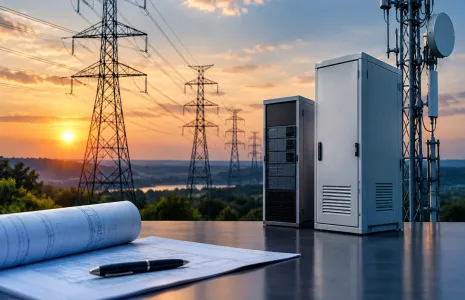
Telangana could benefit from the Union Cabinet-approved Green Energy Corridor Phase-III scheme if its proposed transmission and battery-storage projects are cleared. The state aims to increase renewable-energy capacity from 10,642 MW in 2025-26 to 29,645 MW by 2029-30, according to the proposals submitted to the Central Electricity Authority.

Telangana is among 13 states seeking participation in the programme, which is designed to strengthen intra-state transmission networks for evacuating renewable power. It also provides for Battery Energy Storage Systems, or BESS, to manage intermittency, congestion and peak-hour demand.

The state Cabinet has approved about 7,800 MW of additional generation and storage capacity, comprising 3,000 MW of solar, 4,000 MW of BESS and 800 MW of wind capacity. The energy department and TG Transco will need to identify existing and proposed solar, wind, pumped-storage and hybrid-generation clusters, along with expected additions and grid-injection points, before submitting detailed proposals to the Centre.

The scheme could help Telangana integrate more variable renewable generation and evacuate electricity from generation clusters to industrial and consumption centres. It may also support Hyderabad’s expanding data-centre and information-technology demand by improving grid flexibility during non-solar hours, while BESS units could be deployed at renewable developers’ sites or other critical grid locations to stabilise supply during evening peaks.

Potential benefits include faster renewable-capacity addition, improved reliability for industries and households, and opportunities for transmission and storage developers. Competitive bidding could attract private investment in transmission infrastructure, while construction, manufacturing, operations and grid-management activities could generate employment.

Nationally, the third phase is expected to facilitate the evacuation of up to 135 GW of renewable energy and deployment of 50 GWh of BESS by 2032-33. The scheme has an outlay of Rs. 1.86 tn, including Rs. 1.36 tn for intra-state transmission systems and Rs. 500 bn for battery storage, with Rs. 540.82 bn earmarked as Central Financial Assistance. The Centre has linked the programme to India’s target of 900 GW of installed non-fossil capacity by 2035.

Telangana could benefit from the Union Cabinet-approved Green Energy Corridor Phase-III scheme if its proposed transmission and battery-storage projects are cleared. The state aims to increase renewable-energy capacity from 10,642 MW in 2025-26 to 29,645 MW by 2029-30, according to the proposals submitted to the Central Electricity Authority. Telangana is among 13 states seeking participation in the programme, which is designed to strengthen intra-state transmission networks for evacuating renewable power. It also provides for Battery Energy Storage Systems, or BESS, to manage intermittency, congestion and peak-hour demand. The state Cabinet has approved about 7,800 MW of additional generation and storage capacity, comprising 3,000 MW of solar, 4,000 MW of BESS and 800 MW of wind capacity. The energy department and TG Transco will need to identify existing and proposed solar, wind, pumped-storage and hybrid-generation clusters, along with expected additions and grid-injection points, before submitting detailed proposals to the Centre. The scheme could help Telangana integrate more variable renewable generation and evacuate electricity from generation clusters to industrial and consumption centres. It may also support Hyderabad’s expanding data-centre and information-technology demand by improving grid flexibility during non-solar hours, while BESS units could be deployed at renewable developers’ sites or other critical grid locations to stabilise supply during evening peaks. Potential benefits include faster renewable-capacity addition, improved reliability for industries and households, and opportunities for transmission and storage developers. Competitive bidding could attract private investment in transmission infrastructure, while construction, manufacturing, operations and grid-management activities could generate employment. Nationally, the third phase is expected to facilitate the evacuation of up to 135 GW of renewable energy and deployment of 50 GWh of BESS by 2032-33. The scheme has an outlay of Rs. 1.86 tn, including Rs. 1.36 tn for intra-state transmission systems and Rs. 500 bn for battery storage, with Rs. 540.82 bn earmarked as Central Financial Assistance. The Centre has linked the programme to India’s target of 900 GW of installed non-fossil capacity by 2035.

Related Stories

Gold Stories

Next Story
Technology

Where Infrastructure Meets Intelligence: Inside Bentley's Year inc

Oct 28, 2026  @Tanveer PadodeA first-hand account of Bentley’s 2026 awards, where AI, digital twins and engineering innovation are reshaping infrastructure delivery.- By Tanveer Padode, CEO, IMPACCT: A first-hand account of Bentley’s 2026 awards, where AI, digital twins and engineering innovation are reshaping infrastructure delivery.Two days in SingaporeConstruction is won or lost in two places: how a project is designed and how it is delivered. Technology has promised to improve both for years, and the question I carried into Bentley's Year in Infrastructure, held at the Fairmont Si..

Next Story
Infrastructure Transport

Vaishnaw Inaugurates Two Rail Sections in Madhya Pradesh

Railway Minister Ashwini Vaishnaw on October 24 inaugurated the Satna-Devendranagar and Rewa-Churhat rail sections under the Lalitpur-Singrauli Railway Project in Madhya Pradesh. He also flagged off the new Devendranagar-Churhat passenger train service through video conferencing. Chief Minister Dr Mohan Yadav attended the event. The new Rewa-Churhat railway line, which extends approximately 65 km, was built at a cost of over Rs. 10 bn. The 53 km Satna-Devendranagar line was constructed at a cost of over Rs. 8 bn. The passenger service is expected to provide improved rail access to residents in..
Next Story
Infrastructure Transport

Railways Minister to Inaugurate New Rail Sections Covering 118 km

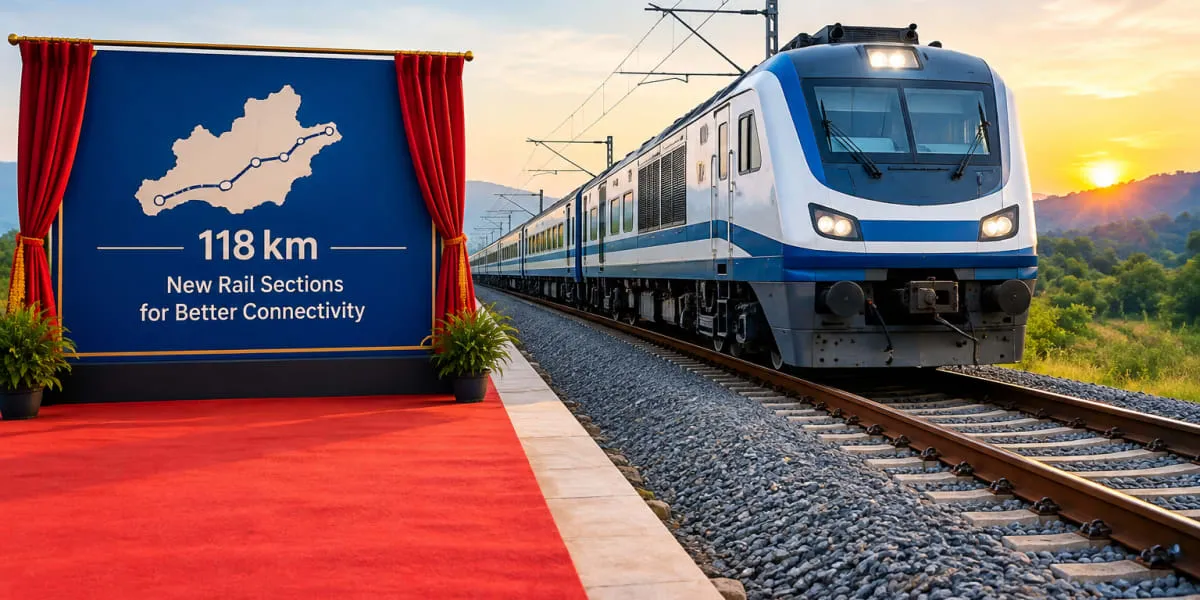
Railways Minister Ashwini Vaishnaw will inaugurate the Satna-Devendra Nagar and Rewa-Churhat rail sections in Madhya Pradesh on October 24. The two sections have a combined length of 118 km and are intended to improve passenger and freight connectivity across the region. Vaishnaw will also flag off a new train service between Devendra Nagar and Churhat. Madhya Pradesh Chief Minister Mohan Yadav will attend the inauguration programme, according to information released by the Ministry of Railways. The 53-km Satna-Devendra Nagar section is expected to improve rail access to Satna, Nagod, Devendra..

Advertisement

Subscribe to Our Newsletter

Get daily newsletters around different themes from Construction world.

STAY CONNECTED

Advertisement

SPECIAL OFFER
QR Code