

Zoomlion Machinery Boosts Farm Productivity In Kenya
Equipment

Zoomlion Machinery Boosts Farm Productivity In Kenya

Zoomlion Heavy Industry Science & Technology Co., Ltd. is supporting Kenyan farmers as they contend with increasingly unpredictable seasons, where heavy rains turn farmland into mud and prolonged dry spells harden the soil. In regions such as Nakuru, the company’s agricultural machinery is helping raise land productivity by offering equipment designed for local field conditions.

Around 70 per cent of Kenya’s population depends on agriculture, yet progress has long been constrained by limited mechanisation. Extreme weather has intensified the strain on manual labour, while second-hand equipment has struggled to meet demand. As a result, reliable and efficient machinery has become essential to sustaining output.

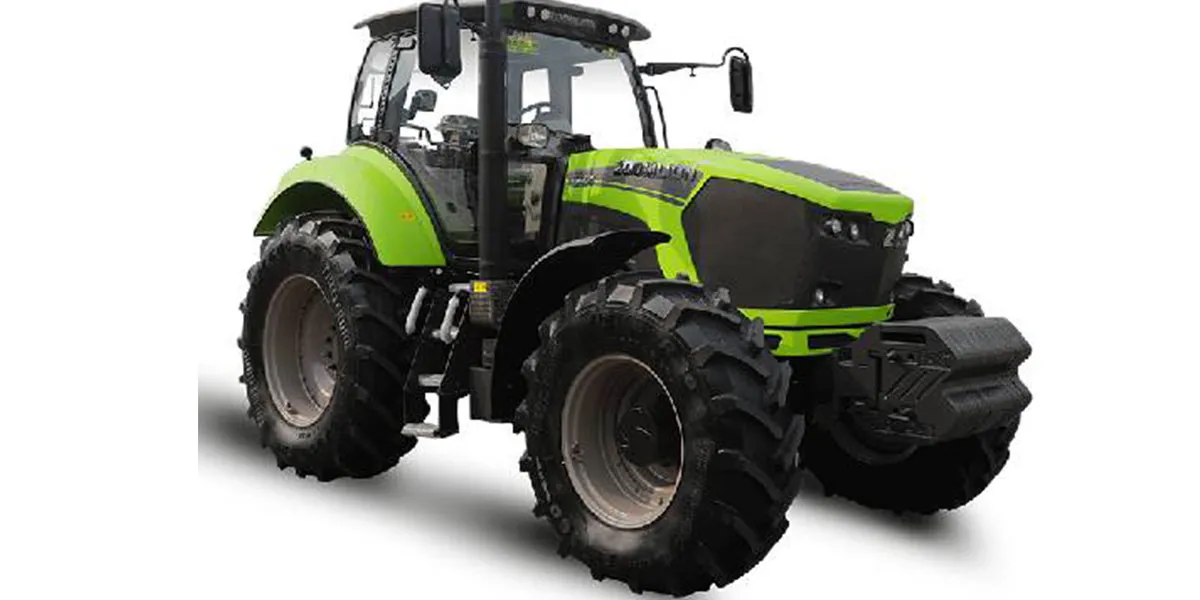
At a Zoomlion warehouse, each tractor undergoes strict inspection before delivery. Recent shipments have included RC110 tractors supplied to Angata Sugar Mills, where peak farming activity occurs between March and May and again from September to November. Sugarcane, a vital cash crop, is grown across around 1,000 hectares at the mill, supported by nearly 60 Zoomlion machines. According to the company, both productivity and operational efficiency have risen sharply since deployment.

Local operators have welcomed the machinery for its power, low fuel consumption and simple controls. Storage sites now hold close to 300 pieces of equipment, including tractors, harvesters and transplanting machines. Zoomlion’s technology has also helped reduce logistics costs, with short-distance hauling expenses falling by around 30 per cent after the tractors were introduced.

To ensure reliability, Zoomlion stations Kenyan engineers on-site at sugar factories to provide immediate technical support. The company also trains local technicians, enabling them to resolve issues independently. Feedback from the field has driven further innovation, with brake systems upgraded to withstand frequent use on muddy roads. Engineers returning from advanced training in China are now passing on best practices to local operators, improving safety and efficiency.

As mechanisation spreads across Kenya’s farms, growers are reporting higher yields and lighter workloads. Through continued collaboration and locally adapted innovation, Zoomlion is contributing to a more resilient and modern agricultural ecosystem in the region.

Zoomlion Heavy Industry Science & Technology Co., Ltd. is supporting Kenyan farmers as they contend with increasingly unpredictable seasons, where heavy rains turn farmland into mud and prolonged dry spells harden the soil. In regions such as Nakuru, the company’s agricultural machinery is helping raise land productivity by offering equipment designed for local field conditions. Around 70 per cent of Kenya’s population depends on agriculture, yet progress has long been constrained by limited mechanisation. Extreme weather has intensified the strain on manual labour, while second-hand equipment has struggled to meet demand. As a result, reliable and efficient machinery has become essential to sustaining output. At a Zoomlion warehouse, each tractor undergoes strict inspection before delivery. Recent shipments have included RC110 tractors supplied to Angata Sugar Mills, where peak farming activity occurs between March and May and again from September to November. Sugarcane, a vital cash crop, is grown across around 1,000 hectares at the mill, supported by nearly 60 Zoomlion machines. According to the company, both productivity and operational efficiency have risen sharply since deployment. Local operators have welcomed the machinery for its power, low fuel consumption and simple controls. Storage sites now hold close to 300 pieces of equipment, including tractors, harvesters and transplanting machines. Zoomlion’s technology has also helped reduce logistics costs, with short-distance hauling expenses falling by around 30 per cent after the tractors were introduced. To ensure reliability, Zoomlion stations Kenyan engineers on-site at sugar factories to provide immediate technical support. The company also trains local technicians, enabling them to resolve issues independently. Feedback from the field has driven further innovation, with brake systems upgraded to withstand frequent use on muddy roads. Engineers returning from advanced training in China are now passing on best practices to local operators, improving safety and efficiency. As mechanisation spreads across Kenya’s farms, growers are reporting higher yields and lighter workloads. Through continued collaboration and locally adapted innovation, Zoomlion is contributing to a more resilient and modern agricultural ecosystem in the region.

Next Story
Technology

AI-Enabled Workflows Lift Profitability and Productivity

Organisations modernising frontline workflows with artificial intelligence, automation and real-time data are reporting stronger financial performance, higher productivity and improved employee engagement, according to a global study by Zebra Technologies and Oxford Economics.The research covered 1,000 senior leaders across retail, manufacturing, transportation and logistics in the US, Mexico, the UK, Germany, India, Japan, Australia and New Zealand.In transportation and logistics, 54 per cent of companies that improved picking and packing operations reported faster operational performance, wh..

Next Story
Real Estate

India Leads Global AI Readiness but Implementation Lags

Indian companies lead global averages across all eight artificial intelligence readiness indicators tracked by JLL, but only 19 per cent have started making changes to their workplaces, according to the JLL 2026 Future of Work Survey.The study found that 77 per cent of Indian business leaders expect AI to change their office requirements, creating a 58-percentage-point gap between awareness and implementation. The survey covered more than 2,200 CEOs, CFOs and real estate leaders across 21 countries during the first quarter of 2026.Despite concerns over automation, 58 per cent of Indian leaders..

Next Story
Equipment

Three WOLFF Cranes Build Riyadh Cable-Stayed Bridges

Three WOLFF 180 B luffing jib cranes are supporting the construction of two cable-stayed bridges alongside the existing Wadi Laban Bridge in Riyadh, Saudi Arabia. The project is being developed for the Royal Commission for Riyadh City and executed by the ICRC joint venture comprising IC Ictas and Al Rashid Trading & Contracting Company.The cranes are handling lifting operations including formwork, reinforcement, concrete placement, work platforms, surveying equipment and other construction materials. Each crane is fitted with a 40 m jib, reaches a hook height of 157 m and offers a maximum ..

Advertisement

Subscribe to Our Newsletter

Get daily newsletters around different themes from Construction world.

STAY CONNECTED

Advertisement

Advertisement

Advertisement