A rating system will be put in place for developers so they can approach the banks to avail easy capital at reasonable rates
Real Estate

A rating system will be put in place for developers so they can approach the banks to avail easy capital at reasonable rates

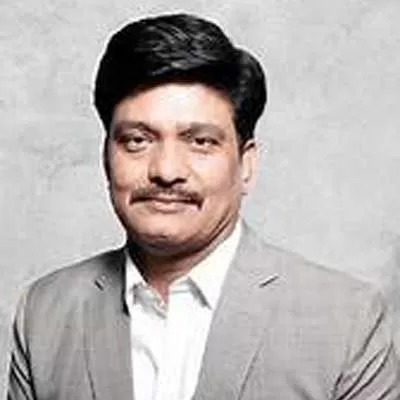
One of the largest employers in India, the real estate sector has been the backbone of the economy. An apex body for private real estate developers in India, the Confederation of Real Estate Developers´ Associations of India (CREDAI), established in 1999, brings together over 11,500 real estate developers from 156 city chapters across 23 states of the counrty. Having consistently worked to make the industry more organised and progressive, CREDAI has developed into a preferred platform for a national discourse on housing and habitat through its close and deep networking with the government, policymakers, investors, finance companies, consumers, real estate professionals and developers. Getamber Anand, President, CREDAI National, shares his expectations for the sector in times to come and the various initiatives taken by CREDAI in this direction.

What are the new policy changes implemented to boost the real estate sector? Also, how do you see the industry blooming in the next five years?
It is a complete misconception that the real estate industry is still in recession mode. Things have drastically changed in the last quarter. Most companies are reporting better sales. The numbers may not be fantastic, but things are looking much better. In the next five years, things will definitely get much better because there is a documented housing shortage. With the kind of supply available in the market, there is a great opportunity for all end-users and buyers to negotiate a good price and get a good product.

What are the initiatives taken up by CREDAI under the ´Housing for All by 2022´ mission?
The ´Housing for All by 2022´ mission is an answer to CREDAI´s long and relentless campaign for housing. This programme is definitely something that will boost the real estate sector. CREDAI is strongly recommending that the government partner with the private sector to provide affordable housing. The good news is that many states have drafted policies that are pro private sector. Without the private sector´s participation, this mission cannot be achieved. For example, the Uttar Pradesh Government has come up with a fantastic and effective affordable housing policy and states like Haryana and Rajasthan are following suit. This will only become more aggressive the closer we get to 2022.

What are the steps CREDAI has taken to prevent construction of illegal buildings?
CREDAI´s members follow a code of conduct that does not allow illegal construction. While we are not a judiciary body that can prevent illegal construction, we can definitely vouch that all our 11,500 members will not indulge into such activities. Consumers have access to our online forum called the ´Consumer Grievances and Redressal Forum´ where they can lodge complaints. We stand for our members and guarantee that they will not be a part of anything that conflicts with the law and order of this industry.

Tell us what has been done to provide vocational and technical training to labour on site.
CREDAI is effectively into skill development. We operate on the on-site training model of semi-skilled labour into skilled labour. KUSHAL is a partnership project between CREDAI and the Pune Metro; the National Skill Development Corporation (NSDC) has partnered with us for this programme. To date, we have trained over 28,000 workers and certified over 25,000 construction workers in Pune. In parallel, we are working with Rustomjee Academy for Global Careers in Mumbai. We have a total of 25 operative centres where skill development is taking place; this will keep increasing. With all our members taking enthusiastic steps towards this initiative, I am sure we will have a tenfold increase in the current number of 25,000.

How have developers been reacting to the price policy on cement price cartelisation? Has it helped?
Unfortunately, the government has not implemented any price policy to control cement cartelisation. It is also very unfortunate that we are trying to achieve the mission of affordable housing and there are input costs that are escalating 20 per cent year-on-year. We have time and again asked the government to step in and ask the cement and steel manufacturers to rationalise their pricing. When nothing could happen, CREDAI had to file a complaint with the Confederation of Indian Industry (CII) against cement cartelisation in the NCR region. We are awaiting the government´s action and hope the matter is looked into.

CREDAI has signed a MoU with Housing.com to set up an online platform to help developers effectively engage with customers. How will this change the developer-buyer relationship?
Housing.com is another platform that will help customers approach CREDAI members directly. As I mentioned before, CREDAI members have to abide by a code of conduct and the association stands by its developers and provides access to aggrieved developers and customers via the Consumer Grievances and Redressal Forum. Housing.com will find it easy to sell properties of CREDAI members through their platform because there is an element of answerability and credibility attached to CREDAI members.

What work has been done with the Indian Banks´ Association to improve the funding situation for real estate?
Time and again, we have approached banks and associations for providing capital to our industry. To date, the response has not been phenomenal, but we are evolving to a stage where a rating system will be put in place for developers so that they can approach the banks to avail easy capital at reasonable rates.

After the unfortunate suicide of Suraj Parmar, CREDAI had actively taken up a protest in his honour. What are the steps the government and CREDAI, as a body, are taking to ensure such a situation is not repeated?
The demise of Suraj Parmar, the president of the Thane chapter of the Maharashtra Chamber of CREDAI-MCHI, was a sad incident. The entire industry stepped out onto the streets in solidarity to show their support for Parmar and his family. As an association, we have informed all our members that CREDAI will knock on the doors of the law in case there is extortion, blackmailing, intentional delays by authorities or any other malpractice that prevents our members from working effectively.

Should such an incident recur, we will approach the government to set things right. We believe in the Prime Minister´s mantra of ´ease of doing business´ and want to partner with the government to achieve the mission of ´Housing for All by 2022´.

Please share any recommendations that you would like to make to the government.
There are various recommendations we would like the government to look at. The low hanging fruit is certain changes in the income-tax law, because of which an additional burden is created on the home buyer. These include sections such as 43CA deemed or notional income tax if the ready reckoner rates are higher than the actual sale price. In Sec 22, if inventory is ready but unsold, a notional income tax is levied on the developer company. Eventually, all these taxes are to be borne by the buyer and we are appealing to the government to scrap these laws so that the buyer is not unnecessarily burdened by irrational taxes. There are many such examples that CREDAI, as an association, brings to the notice of the government. The good news is that the government is listening.


One of the largest employers in India, the real estate sector has been the backbone of the economy. An apex body for private real estate developers in India, the Confederation of Real Estate Developers´ Associations of India (CREDAI), established in 1999, brings together over 11,500 real estate developers from 156 city chapters across 23 states of the counrty. Having consistently worked to make the industry more organised and progressive, CREDAI has developed into a preferred platform for a national discourse on housing and habitat through its close and deep networking with the government, policymakers, investors, finance companies, consumers, real estate professionals and developers. Getamber Anand, President, CREDAI National, shares his expectations for the sector in times to come and the various initiatives taken by CREDAI in this direction. What are the new policy changes implemented to boost the real estate sector? Also, how do you see the industry blooming in the next five years? It is a complete misconception that the real estate industry is still in recession mode. Things have drastically changed in the last quarter. Most companies are reporting better sales. The numbers may not be fantastic, but things are looking much better. In the next five years, things will definitely get much better because there is a documented housing shortage. With the kind of supply available in the market, there is a great opportunity for all end-users and buyers to negotiate a good price and get a good product. What are the initiatives taken up by CREDAI under the ´Housing for All by 2022´ mission? The ´Housing for All by 2022´ mission is an answer to CREDAI´s long and relentless campaign for housing. This programme is definitely something that will boost the real estate sector. CREDAI is strongly recommending that the government partner with the private sector to provide affordable housing. The good news is that many states have drafted policies that are pro private sector. Without the private sector´s participation, this mission cannot be achieved. For example, the Uttar Pradesh Government has come up with a fantastic and effective affordable housing policy and states like Haryana and Rajasthan are following suit. This will only become more aggressive the closer we get to 2022. What are the steps CREDAI has taken to prevent construction of illegal buildings? CREDAI´s members follow a code of conduct that does not allow illegal construction. While we are not a judiciary body that can prevent illegal construction, we can definitely vouch that all our 11,500 members will not indulge into such activities. Consumers have access to our online forum called the ´Consumer Grievances and Redressal Forum´ where they can lodge complaints. We stand for our members and guarantee that they will not be a part of anything that conflicts with the law and order of this industry. Tell us what has been done to provide vocational and technical training to labour on site. CREDAI is effectively into skill development. We operate on the on-site training model of semi-skilled labour into skilled labour. KUSHAL is a partnership project between CREDAI and the Pune Metro; the National Skill Development Corporation (NSDC) has partnered with us for this programme. To date, we have trained over 28,000 workers and certified over 25,000 construction workers in Pune. In parallel, we are working with Rustomjee Academy for Global Careers in Mumbai. We have a total of 25 operative centres where skill development is taking place; this will keep increasing. With all our members taking enthusiastic steps towards this initiative, I am sure we will have a tenfold increase in the current number of 25,000. How have developers been reacting to the price policy on cement price cartelisation? Has it helped? Unfortunately, the government has not implemented any price policy to control cement cartelisation. It is also very unfortunate that we are trying to achieve the mission of affordable housing and there are input costs that are escalating 20 per cent year-on-year. We have time and again asked the government to step in and ask the cement and steel manufacturers to rationalise their pricing. When nothing could happen, CREDAI had to file a complaint with the Confederation of Indian Industry (CII) against cement cartelisation in the NCR region. We are awaiting the government´s action and hope the matter is looked into. CREDAI has signed a MoU with Housing.com to set up an online platform to help developers effectively engage with customers. How will this change the developer-buyer relationship? Housing.com is another platform that will help customers approach CREDAI members directly. As I mentioned before, CREDAI members have to abide by a code of conduct and the association stands by its developers and provides access to aggrieved developers and customers via the Consumer Grievances and Redressal Forum. Housing.com will find it easy to sell properties of CREDAI members through their platform because there is an element of answerability and credibility attached to CREDAI members. What work has been done with the Indian Banks´ Association to improve the funding situation for real estate? Time and again, we have approached banks and associations for providing capital to our industry. To date, the response has not been phenomenal, but we are evolving to a stage where a rating system will be put in place for developers so that they can approach the banks to avail easy capital at reasonable rates. After the unfortunate suicide of Suraj Parmar, CREDAI had actively taken up a protest in his honour. What are the steps the government and CREDAI, as a body, are taking to ensure such a situation is not repeated? The demise of Suraj Parmar, the president of the Thane chapter of the Maharashtra Chamber of CREDAI-MCHI, was a sad incident. The entire industry stepped out onto the streets in solidarity to show their support for Parmar and his family. As an association, we have informed all our members that CREDAI will knock on the doors of the law in case there is extortion, blackmailing, intentional delays by authorities or any other malpractice that prevents our members from working effectively. Should such an incident recur, we will approach the government to set things right. We believe in the Prime Minister´s mantra of ´ease of doing business´ and want to partner with the government to achieve the mission of ´Housing for All by 2022´. Please share any recommendations that you would like to make to the government. There are various recommendations we would like the government to look at. The low hanging fruit is certain changes in the income-tax law, because of which an additional burden is created on the home buyer. These include sections such as 43CA deemed or notional income tax if the ready reckoner rates are higher than the actual sale price. In Sec 22, if inventory is ready but unsold, a notional income tax is levied on the developer company. Eventually, all these taxes are to be borne by the buyer and we are appealing to the government to scrap these laws so that the buyer is not unnecessarily burdened by irrational taxes. There are many such examples that CREDAI, as an association, brings to the notice of the government. The good news is that the government is listening.

Next Story
Infrastructure Transport

MMRDA advances 250 m on Orange Gate–Marine Drive tunnel

The Mumbai Metropolitan Region Development Authority (MMRDA) has completed 250 m of underground tunnelling for the Orange Gate–Marine Drive Urban Road Tunnel using India’s largest slurry shield tunnel boring machine (TBM) deployed for an urban road project.The project involves twin tunnels extending over 7 km beneath critical transport corridors, including Central Railway, Western Railway and Metro Line 3. The work requires high-precision engineering to navigate densely developed urban infrastructure.Once completed, the tunnel is expected to reduce travel time between Orange Gate and Marin..

Next Story
Infrastructure Urban

Hindustan Zinc Pays Rs 188.46 Billion in FY26

Hindustan Zinc contributed Rs 188.46 billion to the public exchequer in FY 2025-26, according to its 9th Tax Transparency Report. The contribution, equivalent to 46 per cent of the company’s revenue, included direct and indirect taxes, government royalties, dividends to the Government of India, withholding taxes and other statutory levies.The company’s five-year cumulative contribution to the exchequer stood at Rs 915.72 billion. In FY26, Hindustan Zinc reported revenue of Rs 408.44 billion, EBITDA of Rs 221.62 billion and profit after tax of Rs 138.32 billion. It also achieved its highest..

Next Story
Infrastructure Urban

World of Concrete India 2026 Opens in Mumbai

Informa Markets in India will host the 12th edition of World of Concrete India 2026 from 3–5 June 2026 at the Bombay Exhibition Centre, Mumbai. The specialised B2B exhibition will bring together manufacturers, suppliers, contractors, developers, architects, consultants, infrastructure companies, project leaders and government stakeholders.The event is expected to feature over 350 brands and more than 18,000 trade professionals. It will cover concrete and cement, dry mortar, precast technologies, formwork, construction chemicals, industrial and commercial flooring, scaffolding, safety solutio..

Advertisement

Subscribe to Our Newsletter

Get daily newsletters around different themes from Construction world.

STAY CONNECTED

Advertisement

Advertisement

Advertisement