



FISME Urges Government to Fix ESI and EPF Portals
ECONOMY & POLICY

FISME Urges Government to Fix ESI and EPF Portals

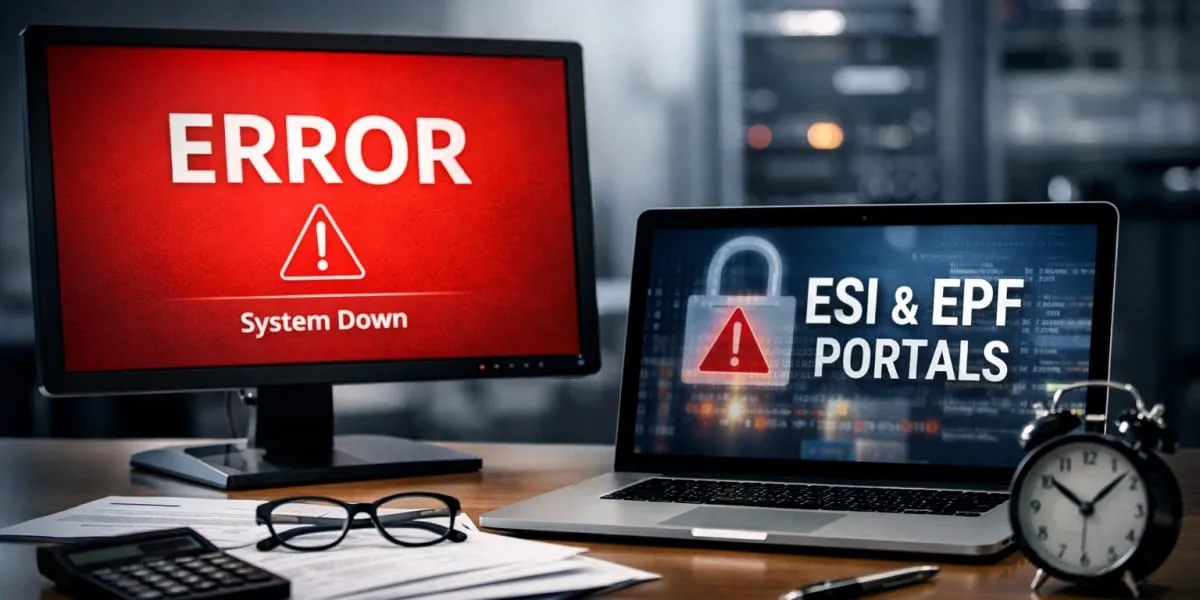
The Federation of Indian Micro and Small and Medium Enterprises (FISME) has flagged persistent technical failures on the Employees' State Insurance (ESI) and Employees' Provident Fund (EPF) online portals that it says are impeding compliance by Micro, Small and Medium Enterprises (MSME). The business body has sought prompt government intervention to restore full functionality and to prevent cascading administrative burdens on small employers. It has underlined that access to stable portals is critical for timely remittance of statutory contributions and for maintaining accurate records of worker entitlements.

FISME reported that the portals experience intermittent downtime, failed submissions and delayed acknowledgements that leave employers uncertain about statutory filings and contributions. These disruptions have reportedly resulted in duplicated attempts, rejected uploads and time consuming follow ups with support teams, adding to operational overheads for firms already managing limited resources. The organisation warned that continued instability risks exposing small businesses to procedural penalties, reputational harm and adverse cash flow consequences that could undermine their capacity to meet payroll and benefits obligations.

The association recommended remedial measures including a dedicated helpline for affected establishments, extended maintenance windows communicated well in advance and real time status indicators on portal dashboards to inform users of outages and progress. It also urged temporary administrative relief such as grace periods for late filings and waivers of procedural fines while technical fixes are implemented, alongside clear protocols for data recovery and verification. FISME further suggested strengthened coordination between the concerned ministry, the employee welfare agencies and third party IT service providers, coupled with systematic testing before major software updates.

The body indicated that protecting employee contributions and ensuring uninterrupted statutory compliance is essential for labour law objectives as well as for the financial stability of small enterprises. It said it will continue to monitor portal performance, collect reports from member firms and press for transparent timelines for corrective action and remediation. In practical terms, FISME emphasised that reliable digital infrastructure must simplify compliance rather than become an additional source of regulatory burden for the MSME sector.

The Federation of Indian Micro and Small and Medium Enterprises (FISME) has flagged persistent technical failures on the Employees' State Insurance (ESI) and Employees' Provident Fund (EPF) online portals that it says are impeding compliance by Micro, Small and Medium Enterprises (MSME). The business body has sought prompt government intervention to restore full functionality and to prevent cascading administrative burdens on small employers. It has underlined that access to stable portals is critical for timely remittance of statutory contributions and for maintaining accurate records of worker entitlements. FISME reported that the portals experience intermittent downtime, failed submissions and delayed acknowledgements that leave employers uncertain about statutory filings and contributions. These disruptions have reportedly resulted in duplicated attempts, rejected uploads and time consuming follow ups with support teams, adding to operational overheads for firms already managing limited resources. The organisation warned that continued instability risks exposing small businesses to procedural penalties, reputational harm and adverse cash flow consequences that could undermine their capacity to meet payroll and benefits obligations. The association recommended remedial measures including a dedicated helpline for affected establishments, extended maintenance windows communicated well in advance and real time status indicators on portal dashboards to inform users of outages and progress. It also urged temporary administrative relief such as grace periods for late filings and waivers of procedural fines while technical fixes are implemented, alongside clear protocols for data recovery and verification. FISME further suggested strengthened coordination between the concerned ministry, the employee welfare agencies and third party IT service providers, coupled with systematic testing before major software updates. The body indicated that protecting employee contributions and ensuring uninterrupted statutory compliance is essential for labour law objectives as well as for the financial stability of small enterprises. It said it will continue to monitor portal performance, collect reports from member firms and press for transparent timelines for corrective action and remediation. In practical terms, FISME emphasised that reliable digital infrastructure must simplify compliance rather than become an additional source of regulatory burden for the MSME sector.

Next Story
Resources

Jyoti Structures Launches Heat Safety Drive Across Sites

Jyoti Structures (JSL) has strengthened heat safety measures across its project sites and manufacturing facilities as temperatures rise across India. The company has implemented a Summer Safety Plan covering all transmission line projects to address risks related to heat stress, dehydration and worker fatigue.The initiative includes rescheduling work away from peak afternoon temperatures, provision of drinking water, ORS and lemon-salt solutions, and installation of rest shelters near work areas. Daily toolbox talks, worker health monitoring, first-aid preparedness, emergency transport arrange..

Next Story
Real Estate

MHADA Declares 82 Buildings Most Dangerous in Central and South Mumbai

The Maharashtra Housing and Area Development Authority (MHADA) has declared 82 buildings as most dangerous across Central and South Mumbai and has appealed to residents to vacate immediately. The list, prepared after structural assessments by the authority, identifies buildings judged to pose imminent risk to occupants and to passersby. Local civic bodies have been asked to coordinate evacuations and to make arrangements for temporary shelter and rehabilitation for displaced households. Officials said the authority prioritised buildings with visible structural distress, severe cracking, tiltin..

Next Story
Infrastructure Transport

Damage Reported At Halwara Airport Terminal After First Rains

Severe damage was reported at the terminal of Halwara Airport during the first major rain spell of the season, prompting immediate concern among aviation and local authorities. Images from the site showed water ingress and visible deterioration of the terminal interior, affecting passenger areas and ancillary services. The airport authority suspended certain operations temporarily to assess structural safety and ensure passenger wellbeing. Preliminary inspections have prioritised electrical systems and roof seals to prevent further water ingress. State aviation officials ordered a formal inqui..

Advertisement

Subscribe to Our Newsletter

Get daily newsletters around different themes from Construction world.

STAY CONNECTED

Advertisement

Advertisement

Advertisement














