


+
HPCL EV Charging Network Grows 8 Per Cent to 5,826
ECONOMY & POLICY

HPCL EV Charging Network Grows 8 Per Cent to 5,826

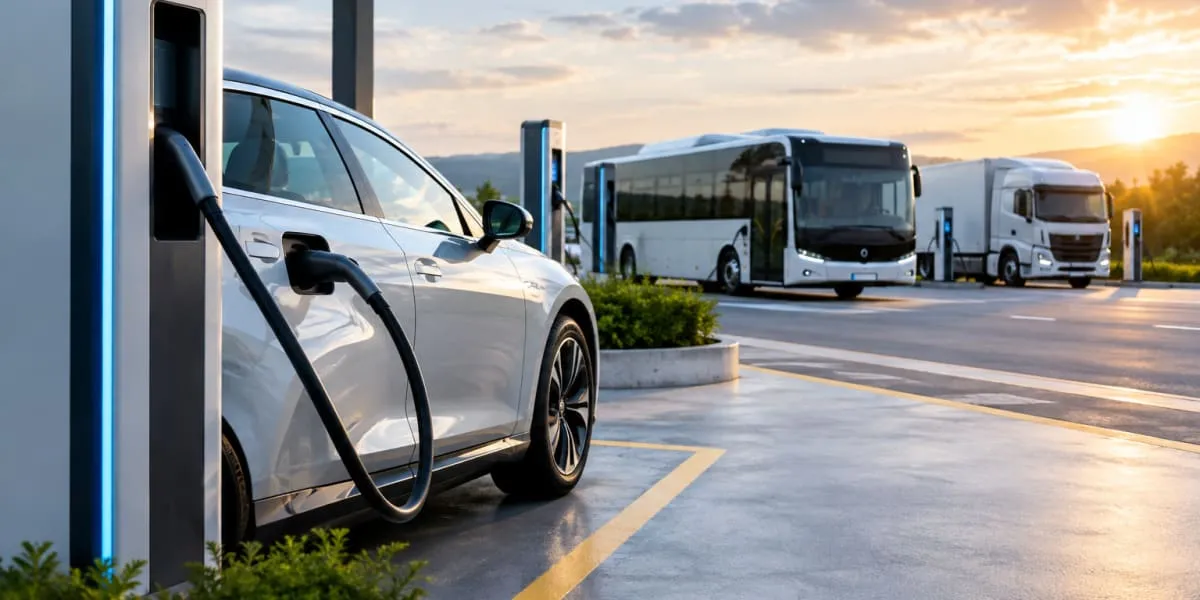
Hindustan Petroleum Corporation (HPCL) had 5,826 electric vehicle charging facilities across 25,238 retail outlets as of September 1, marking an increase of nearly 8 per cent from about 5,400 in March. The state-owned oil marketing company is now extending its electric mobility strategy to commercial transport by deploying 240-kW ultra-fast chargers for electric trucks and buses across 50 highway corridors.

India had 52,718 public EV charging stations, according to government data. HPCL’s network represented roughly 11 per cent of that total, although the figures may not be directly comparable because charging infrastructure is classified differently across datasets. Most of HPCL’s additions took place during the first quarter of FY27, when its network reached 5,806 stations by the end of June.

The new chargers are being installed under the PM E-DRIVE programme, alongside battery-swapping infrastructure for commercial vehicles. HPCL’s FY26 annual report recorded 5,533 EV charging facilities as of March 31, including battery-swapping stations, making that figure different from the latest charging-station count.

HPCL’s existing network includes alternating-current and direct-current chargers ranging from 3.4 kW to 120 kW. The move to 240-kW equipment reflects the higher energy requirements of commercial EVs and expands the company’s focus beyond passenger vehicles. In July, HPCL partnered with Energy In Motion to develop charging and battery-swapping facilities for electric heavy commercial vehicles at selected retail outlets.

The company’s partnership with Blue Energy Motors covers battery swapping and ultra-fast charging along key highway routes, while an agreement with EKA Mobility includes commercial EV charging, battery swapping, green hydrogen and sustainable logistics. HPCL has also expanded smaller-vehicle infrastructure through a partnership with Honda, which has produced more than 140 battery-swapping stations across Delhi-NCR, Gurugram and Mumbai.

HPCL is using its fuel-retail footprint to develop multi-energy hubs rather than creating a separate EV network. It has partnered with Mahindra for 180-kW dual-gun ultra-fast chargers and with V-GREEN for charging and battery swapping. Its wider retail network includes more than 2,250 CNG outlets, solar installations at over 23,000 fuel stations and more than 150 battery-swapping facilities.

Hindustan Petroleum Corporation (HPCL) had 5,826 electric vehicle charging facilities across 25,238 retail outlets as of September 1, marking an increase of nearly 8 per cent from about 5,400 in March. The state-owned oil marketing company is now extending its electric mobility strategy to commercial transport by deploying 240-kW ultra-fast chargers for electric trucks and buses across 50 highway corridors. India had 52,718 public EV charging stations, according to government data. HPCL’s network represented roughly 11 per cent of that total, although the figures may not be directly comparable because charging infrastructure is classified differently across datasets. Most of HPCL’s additions took place during the first quarter of FY27, when its network reached 5,806 stations by the end of June. The new chargers are being installed under the PM E-DRIVE programme, alongside battery-swapping infrastructure for commercial vehicles. HPCL’s FY26 annual report recorded 5,533 EV charging facilities as of March 31, including battery-swapping stations, making that figure different from the latest charging-station count. HPCL’s existing network includes alternating-current and direct-current chargers ranging from 3.4 kW to 120 kW. The move to 240-kW equipment reflects the higher energy requirements of commercial EVs and expands the company’s focus beyond passenger vehicles. In July, HPCL partnered with Energy In Motion to develop charging and battery-swapping facilities for electric heavy commercial vehicles at selected retail outlets. The company’s partnership with Blue Energy Motors covers battery swapping and ultra-fast charging along key highway routes, while an agreement with EKA Mobility includes commercial EV charging, battery swapping, green hydrogen and sustainable logistics. HPCL has also expanded smaller-vehicle infrastructure through a partnership with Honda, which has produced more than 140 battery-swapping stations across Delhi-NCR, Gurugram and Mumbai. HPCL is using its fuel-retail footprint to develop multi-energy hubs rather than creating a separate EV network. It has partnered with Mahindra for 180-kW dual-gun ultra-fast chargers and with V-GREEN for charging and battery swapping. Its wider retail network includes more than 2,250 CNG outlets, solar installations at over 23,000 fuel stations and more than 150 battery-swapping facilities.

Related Stories

Gold Stories
Next Story
Infrastructure Transport

Madhya Pradesh Plans Airport Every 150 Km, Airstrip Every 75 Km

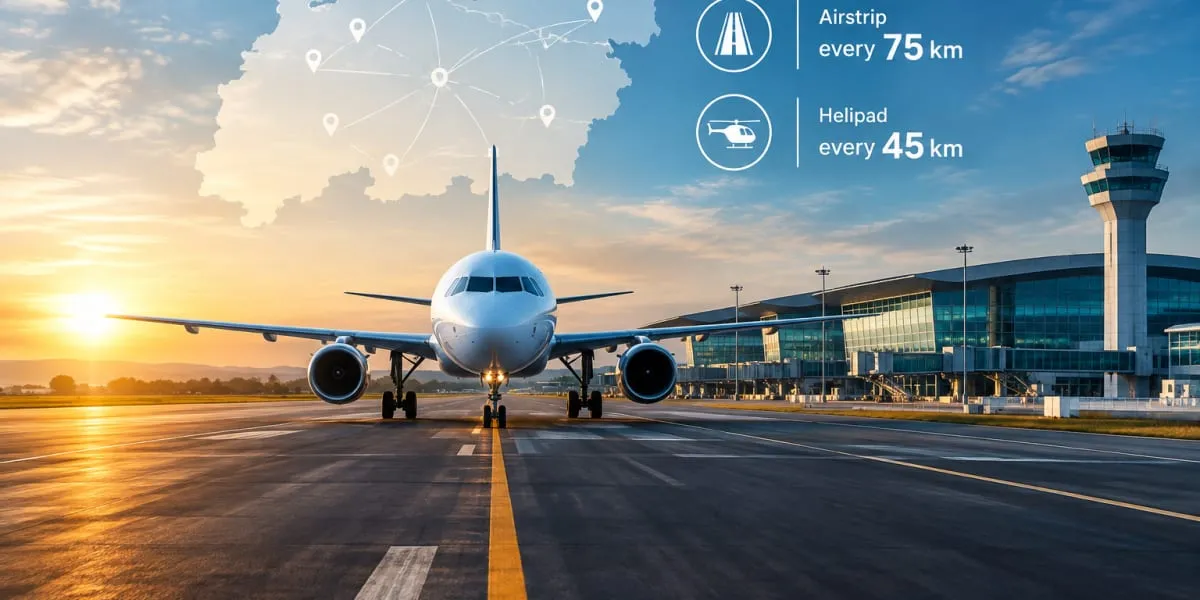
The Madhya Pradesh government plans to establish an airport every 150 km, an airstrip every 75 km and a helipad every 45 km, according to the state aviation department. Airports being developed in Ujjain and Shivpuri are expected to take the state’s airport count to 10. The government stated that Madhya Pradesh currently has eight airports in eight cities. The locations named by the department include Indore, Bhopal, Jabalpur, Gwalior, Khajuraho, Rewa and Satna. The state also has more than 20 airstrips and 220 helipads, while permanent helipads are planned in all 230 Assembly constituencies..

Next Story
Infrastructure Transport

West Bengal Plans Four Airports for 2028 Completion Under UDAN

West Bengal will develop four new airports under an agreement signed between the Union Civil Aviation Ministry and the state government, with all facilities targeted for completion by 2028. Union Civil Aviation Minister K Rammohan Naidu said the airports would be located at Charra in Purulia, Kalaikunda in Paschim Medinipur, Balurghat in Dakshin Dinajpur and Hasimara in Alipurduar. The project is part of the Centre’s regional connectivity UDAN programme. The Union government has committed Rs. 290 bn for West Bengal’s aviation sector over the next decade, while the state government will pro..

Next Story
Infrastructure Transport

Mumbai Airport Bars Russian Airlines as Agent Seeks Ministry Intervention

Mumbai airport has stopped accepting cargo booked on Russian flag carrier Aeroflot, disrupting shipments and prompting the airline’s cargo sales agent, Delmos Aviation, to seek intervention from the Ministry of Civil Aviation. The restrictions also affect cargo booked on Volga-Dnepr Airlines, according to a letter submitted by Delmos Aviation to the ministry on September 30. Aeroflot operates daily flights between Moscow and Delhi and runs a winter seasonal service to Goa. Bonded cargo from Mumbai and other cities is transported by road to Delhi before being flown to Russia. The agent said t..

Advertisement

Subscribe to Our Newsletter

Get daily newsletters around different themes from Construction world.

STAY CONNECTED

Advertisement

SPECIAL OFFER
QR Code