Integrated Transport Authority to Improve Multimodal Connectivity
ECONOMY & POLICY

Integrated Transport Authority to Improve Multimodal Connectivity

The Union Cabinet has approved the establishment of an Integrated Transport and Logistics Authority (ITLA), which will serve as the apex body for integrated transport and logistics planning, research, project appraisal and monitoring, policy support and data analytics. Experts said the authority could strengthen multimodal connectivity, improve resource utilisation and support more efficient movement of goods across India’s transport network.

The authority will focus on aligning projects across transport modes, monitoring implementation and improving investment efficiency. Its responsibilities are also expected to include coordinating planning among road, rail and port networks, identifying infrastructure bottlenecks and supporting more effective execution across ministries and states.

Kushal Kumar Singh, Partner at Deloitte India, said integrated planning would be important for improving connectivity and resource use as India works to lower logistics costs as a share of gross domestic product. He added that the main challenge would be converting the planning framework into coordinated action across the different parts of the transport system.

Suryansh Jalan, Chief Business Officer at FarEye, said the authority could help reduce the time goods spend waiting in the logistics network, thereby limiting the amount of working capital tied up during transit and storage. He said its value would depend on how effectively it connects infrastructure, freight data and decision-making, allowing policymakers to determine investment priorities and address bottlenecks.

Better coordination could also help businesses decide when to dispatch goods, which transport mode to use and how to respond to disruptions. Experts said greater predictability could reduce the need for buffer inventory, shorten waiting times, improve asset utilisation and make delivery commitments more reliable. For smaller businesses, releasing cash held in inventory could provide additional room for expansion, while stronger planning could improve the broader competitiveness of India’s transport and logistics ecosystem.

The Union Cabinet has approved the establishment of an Integrated Transport and Logistics Authority (ITLA), which will serve as the apex body for integrated transport and logistics planning, research, project appraisal and monitoring, policy support and data analytics. Experts said the authority could strengthen multimodal connectivity, improve resource utilisation and support more efficient movement of goods across India’s transport network. The authority will focus on aligning projects across transport modes, monitoring implementation and improving investment efficiency. Its responsibilities are also expected to include coordinating planning among road, rail and port networks, identifying infrastructure bottlenecks and supporting more effective execution across ministries and states. Kushal Kumar Singh, Partner at Deloitte India, said integrated planning would be important for improving connectivity and resource use as India works to lower logistics costs as a share of gross domestic product. He added that the main challenge would be converting the planning framework into coordinated action across the different parts of the transport system. Suryansh Jalan, Chief Business Officer at FarEye, said the authority could help reduce the time goods spend waiting in the logistics network, thereby limiting the amount of working capital tied up during transit and storage. He said its value would depend on how effectively it connects infrastructure, freight data and decision-making, allowing policymakers to determine investment priorities and address bottlenecks. Better coordination could also help businesses decide when to dispatch goods, which transport mode to use and how to respond to disruptions. Experts said greater predictability could reduce the need for buffer inventory, shorten waiting times, improve asset utilisation and make delivery commitments more reliable. For smaller businesses, releasing cash held in inventory could provide additional room for expansion, while stronger planning could improve the broader competitiveness of India’s transport and logistics ecosystem.

Related Stories

Gold Stories

Next Story
Equipment

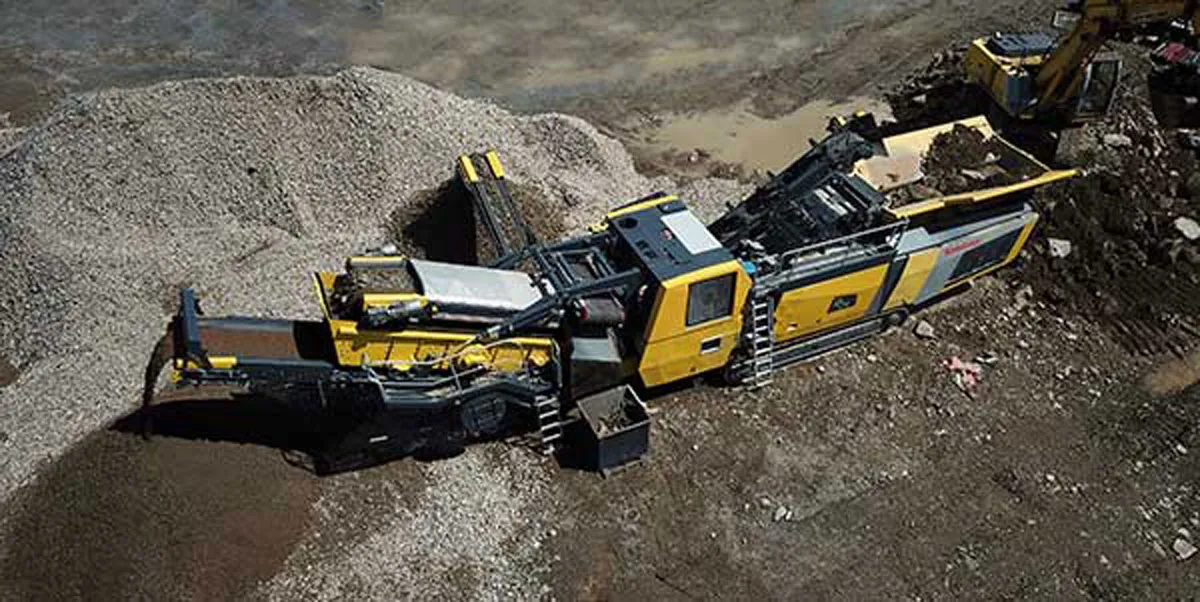
Terex to Acquire Keestrack, Expanding Crushing Portfolio

Terex Corporation has signed a definitive agreement to acquire Keestrack, a manufacturer of mobile crushing, screening and related equipment for the aggregates, recycling, construction and demolition industries. Financial terms were not disclosed.Founded in Belgium in 1988, Keestrack serves customers in more than 65 countries through a network of over 70 distributors. The acquisition will expand Terex Materials Processing’s crushing and screening portfolio and add manufacturing and distribution capabilities.After completion, Keestrack will continue as an independent brand within the Terex Ma..
Next Story
Infrastructure Energy

IES Taskforce Reviews Final Report on Power-Sector Digital Platform

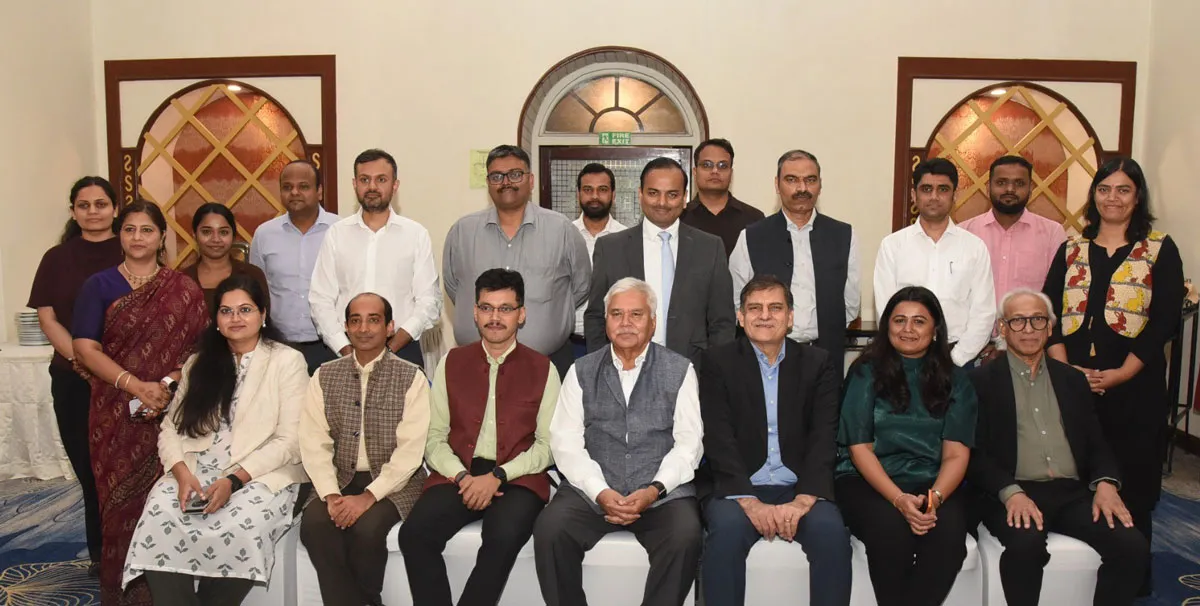
The India Energy Stack (IES) Taskforce has reviewed its Final Report in New Delhi. The document sets out a strategy, architecture, governance framework and pathway to scale IES as digital public infrastructure for India’s power sector. The Ministry of Power constituted the Taskforce in June 2025.The report was presented by Prince Dhawan, Executive Director, REC Limited, and Swetha Ravi Kumar, Executive Director, FSR Global. Dr Ram Sewak Sharma, Chairperson of the Taskforce, outlined the way forward.IES is a common set of open standards and protocols designed to let utilities, regulators, mar..

Next Story
Infrastructure Urban

LANXESS, HINCOL Partner on Road Construction Technologies

LANXESS India and Hindustan Colas Private Limited (HINCOL) have signed a Memorandum of Understanding to assess technical and commercial opportunities in bitumen and asphalt modification for India’s infrastructure market.The companies will conduct laboratory and commercial-scale evaluations of Addipave CR 36, LANXESS’ cross-linking technology for polymer-modified bitumen (PMB). LANXESS will provide the product, technical expertise and trial support, while HINCOL will contribute testing facilities, operational support and performance assessments under local conditions. The trials will examin..

Advertisement

Subscribe to Our Newsletter

Get daily newsletters around different themes from Construction world.

STAY CONNECTED

Advertisement

SPECIAL OFFER
QR Code