MHI Meeting On Financing For Electric Buses And Trucks
ECONOMY & POLICY

MHI Meeting On Financing For Electric Buses And Trucks

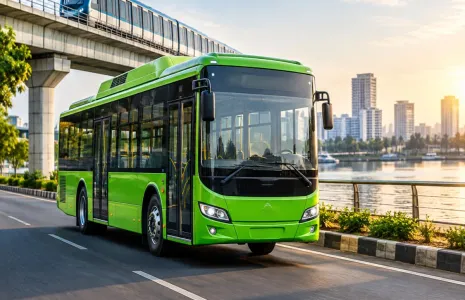
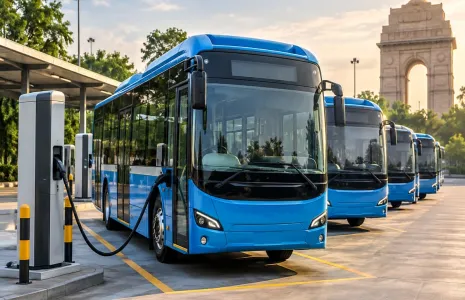
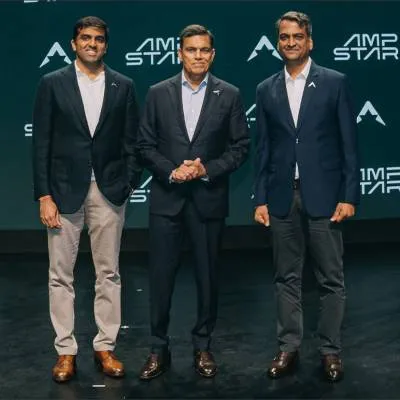
The Ministry of Heavy Industries (MHI) held a high-level meeting under the chairmanship of Shri Kamran Rizvi, Secretary of the ministry, on 29 April 2026 in New Delhi to deliberate financing mechanisms to accelerate adoption of electric buses (e-buses) and electric trucks (e-trucks) in the private sector. The meeting focused on understanding financing challenges, assessing the current status of financing for these vehicles and identifying potential solutions and government support required.

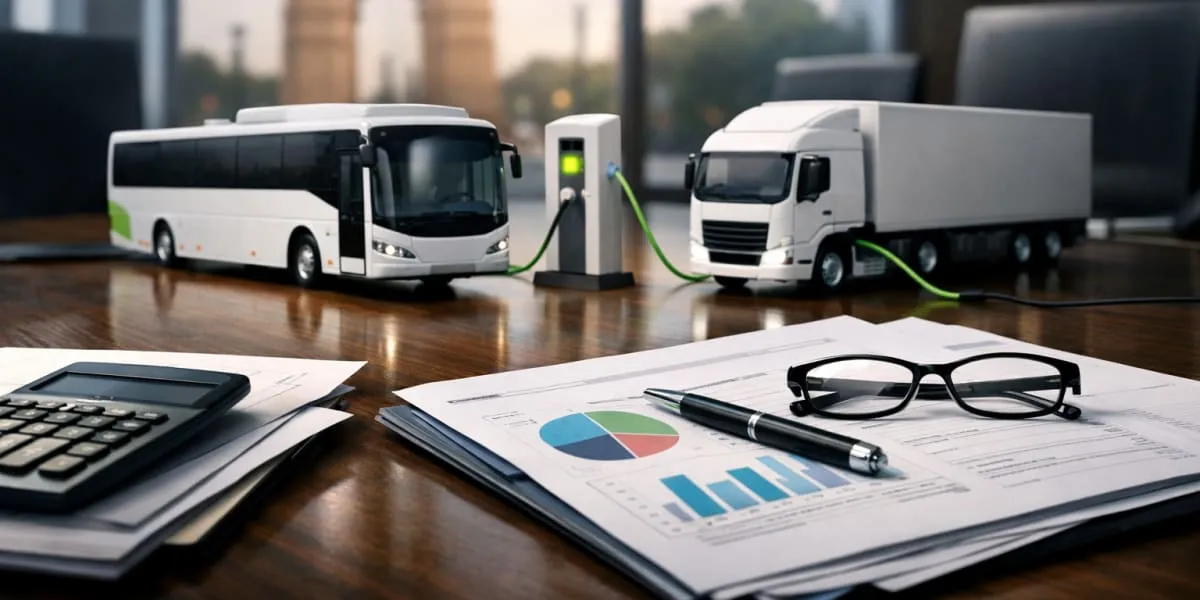
Participants examined critical interventions to enable electric vehicle financing. Key support mechanisms under consideration included partial credit guarantee schemes to de-risk lending by financial institutions and interest subvention mechanisms intended to lower the cost of borrowing for private sector buyers.

Public transport, particularly buses, forms the backbone of mobility across India while trucks are central to freight movement and carry a substantial share of domestic goods. The commercial vehicle segment contributes significantly to road transport emissions, fuel consumption and particulate matter pollution, making electrification of buses and trucks essential for meeting the nation's decarbonisation targets and the Net Zero by 2070 goal.

The meeting saw wide participation from stakeholders across the financial and industrial ecosystem, including the Department of Financial Services and the World Bank India. Major public and private banks attended alongside non-banking financial companies and apex institutions such as the Small Industries Development Bank of India and the National Investment and Infrastructure Fund, in addition to bus operators, truck operators, original equipment manufacturers and industry bodies.

The initiative reflects the ministry's proactive approach towards enabling the transition to electric mobility in the commercial vehicle segment by bringing government departments, multilateral institutions, financial entities and industry stakeholders together. The ministry intends to develop actionable financing solutions that address key barriers to adoption, thereby supporting energy security, emission reduction and indigenous advanced manufacturing under the vision of Aatmanirbhar Bharat and ViksitBharat@2047.

The Ministry of Heavy Industries (MHI) held a high-level meeting under the chairmanship of Shri Kamran Rizvi, Secretary of the ministry, on 29 April 2026 in New Delhi to deliberate financing mechanisms to accelerate adoption of electric buses (e-buses) and electric trucks (e-trucks) in the private sector. The meeting focused on understanding financing challenges, assessing the current status of financing for these vehicles and identifying potential solutions and government support required. Participants examined critical interventions to enable electric vehicle financing. Key support mechanisms under consideration included partial credit guarantee schemes to de-risk lending by financial institutions and interest subvention mechanisms intended to lower the cost of borrowing for private sector buyers. Public transport, particularly buses, forms the backbone of mobility across India while trucks are central to freight movement and carry a substantial share of domestic goods. The commercial vehicle segment contributes significantly to road transport emissions, fuel consumption and particulate matter pollution, making electrification of buses and trucks essential for meeting the nation's decarbonisation targets and the Net Zero by 2070 goal. The meeting saw wide participation from stakeholders across the financial and industrial ecosystem, including the Department of Financial Services and the World Bank India. Major public and private banks attended alongside non-banking financial companies and apex institutions such as the Small Industries Development Bank of India and the National Investment and Infrastructure Fund, in addition to bus operators, truck operators, original equipment manufacturers and industry bodies. The initiative reflects the ministry's proactive approach towards enabling the transition to electric mobility in the commercial vehicle segment by bringing government departments, multilateral institutions, financial entities and industry stakeholders together. The ministry intends to develop actionable financing solutions that address key barriers to adoption, thereby supporting energy security, emission reduction and indigenous advanced manufacturing under the vision of Aatmanirbhar Bharat and ViksitBharat@2047.

Next Story
Building Material

Dalmia Cement to Acquire 5.2 MnTPA Capacity

Dalmia Cement (Bharat), a wholly owned subsidiary of Dalmia Bharat, has executed a Business Transfer Agreement with Jaiprakash Associates and Adani Infra (India) to acquire cement assets with 5.2 MnTPA capacity in the Central region.The acquisition covers cement plants located at Rewa in Madhya Pradesh, and Churk, Chunar and Sadwa in Uttar Pradesh. The assets include 5.2 MnTPA cement capacity, 3.3 MnTPA clinker capacity, 99 MW thermal power capacity, railway sidings at Rewa and Chunar, and a common railway siding at Churk. The enterprise value of the transaction is Rs 28.5 billion.Following co..

Next Story
Infrastructure Urban

Rampura Agucha Becomes Zinc Mark Certified Mine

Hindustan Zinc’s Rampura Agucha Mine has become India’s first Zinc Mark certified mine, marking a major milestone in responsible zinc production. The mine is the world’s largest underground zinc-lead mine and is operated by Hindustan Zinc, the world’s largest integrated zinc producer.Zinc Mark is a globally recognised assurance framework that validates responsible zinc production against international Environmental, Social and Governance standards, responsible sourcing practices and value chain transparency. The certification strengthens Hindustan Zinc’s ability to offer responsibly ..

Next Story
Infrastructure Urban

Headsup B2B Targets Rs 4 bn Revenue This Fiscal

Headsup B2B, a pan-India procurement and supply chain platform serving the infrastructure, industrial and renewable energy sectors, is targeting Rs 4 billion in revenue for the current fiscal year. The company executed over 2,200 transactions worth Rs 2.5 billion in the previous financial year.Allied infrastructure services contributed nearly 80 per cent of revenue during the period, while renewable energy, industrial automation and road safety solutions emerged as the fastest-growing categories. The company is now expanding its role beyond procurement to support installation, deployment and p..

Advertisement

Subscribe to Our Newsletter

Get daily newsletters around different themes from Construction world.

STAY CONNECTED

Advertisement

Advertisement

Advertisement

-->