+
Prime Minister to Inaugurate India AI Impact Summit 2026
ECONOMY & POLICY

Prime Minister to Inaugurate India AI Impact Summit 2026

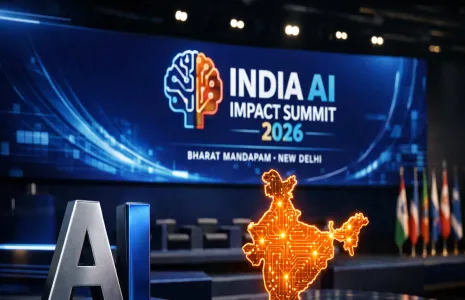
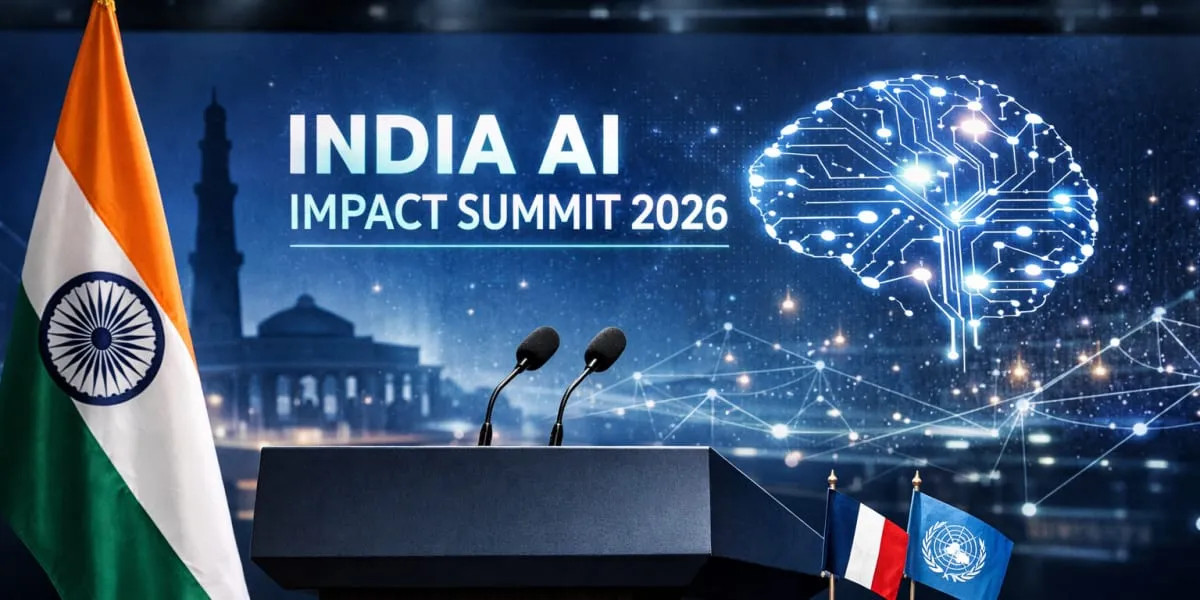
Prime Minister Narendra Modi will inaugurate the India AI Impact Summit 2026 on 19 February at Bharat Mandapam in New Delhi, having welcomed participating world leaders at the venue on the evening of 18 February and scheduled bilateral meetings on the sidelines. The opening ceremony is scheduled for around 9:40 am and will feature addresses from the President of France, the Secretary-General of the United Nations and senior industry leaders. The programme aims to set the tone for national and international collaboration on artificial intelligence.

At around 11 am the Prime Minister will visit the India AI Impact Expo 2026 with other leaders to tour country pavilions and examine demonstrations and national showcases. The Leaders' Plenary is scheduled from around 12 noon and will bring together heads of state, ministers and senior representatives from multilateral institutions to outline priorities on governance, infrastructure and international cooperation for AI. The schedule is intended to enable immediate dialogue on policy and strategic alignment.

In the evening the Prime Minister will join a CEO roundtable from 5:30 pm to convene senior executives from global technology and industry firms with government leadership, focusing on investment, research collaboration, supply chains and deployment of AI systems. The summit theme is described as welfare for all and happiness of all and seeks to position India as a leader in artificial intelligence while promoting inclusive growth and planetary safeguarding. Organisers expect concrete outcomes that demonstrate AI's positive impact across sectors.

Seven working groups will anchor the summit, aligned to the three pillars of People, Planet and Progress, and will focus on AI for economic growth and social good, democratising AI resources, inclusion for social empowerment, safe and trusted AI, human capital, science, and resilience, innovation and efficiency. The event will bring together more than 500 global AI leaders, including around 100 CEOs and founders, 150 academicians and researchers and 400 chief technology officers, vice presidents and philanthropists, engaging over 100 government representatives, including more than 20 heads of state and government and around 60 ministers and vice ministers.

Prime Minister Narendra Modi will inaugurate the India AI Impact Summit 2026 on 19 February at Bharat Mandapam in New Delhi, having welcomed participating world leaders at the venue on the evening of 18 February and scheduled bilateral meetings on the sidelines. The opening ceremony is scheduled for around 9:40 am and will feature addresses from the President of France, the Secretary-General of the United Nations and senior industry leaders. The programme aims to set the tone for national and international collaboration on artificial intelligence. At around 11 am the Prime Minister will visit the India AI Impact Expo 2026 with other leaders to tour country pavilions and examine demonstrations and national showcases. The Leaders' Plenary is scheduled from around 12 noon and will bring together heads of state, ministers and senior representatives from multilateral institutions to outline priorities on governance, infrastructure and international cooperation for AI. The schedule is intended to enable immediate dialogue on policy and strategic alignment. In the evening the Prime Minister will join a CEO roundtable from 5:30 pm to convene senior executives from global technology and industry firms with government leadership, focusing on investment, research collaboration, supply chains and deployment of AI systems. The summit theme is described as welfare for all and happiness of all and seeks to position India as a leader in artificial intelligence while promoting inclusive growth and planetary safeguarding. Organisers expect concrete outcomes that demonstrate AI's positive impact across sectors. Seven working groups will anchor the summit, aligned to the three pillars of People, Planet and Progress, and will focus on AI for economic growth and social good, democratising AI resources, inclusion for social empowerment, safe and trusted AI, human capital, science, and resilience, innovation and efficiency. The event will bring together more than 500 global AI leaders, including around 100 CEOs and founders, 150 academicians and researchers and 400 chief technology officers, vice presidents and philanthropists, engaging over 100 government representatives, including more than 20 heads of state and government and around 60 ministers and vice ministers.

Next Story
Infrastructure Urban

Implementation Status of Jal Jeevan Mission

Since August 2019 the Government has implemented Jal Jeevan Mission to provide assured potable water through household tap connections in rural India. At the start of the mission only 32.3 million (mn) rural households, representing 16.7 per cent, were reported to have tap water connections. States and union territories have reported that 125.8 mn additional rural households have since been provided with tap connections. As a result, of about 193.6 mn rural households roughly 158.2 mn, or 81.71 per cent, are reported to have tap water supply at home.\n\nThe State, district and village level st..

Next Story
Infrastructure Urban

Jal Jeevan Mission Reaches Eighty One Per Cent Rural Coverage

The Government reported substantial progress under the Jal Jeevan Mission, launched in August 2019 to provide tap water to every rural household. At launch only 32.3 million (mn) rural households had tap connections and states and Union territories reported provision of 125.8 mn additional households by March 2026. Consequently, out of about 193.6 mn rural households around 158.2 mn, or 81.71 per cent, are reported to have tap water at home. The Finance Minister announced extension of the mission until 2028 in the 2025-26 budget speech. The Swachh Bharat Mission Grameen, launched in October 20..

Next Story
Infrastructure Urban

Empowering Local Governance for Sustainable Rural Water Supply

The Ministry of Jal Shakti has aligned the Jal Jeevan Mission (JJM) with the 73rd Amendment to strengthen village level planning and community ownership of water supply. Gram Panchayats, village water and sanitation committees and Pani Samitis are to plan, implement, manage and maintain piped water systems, with gram sabha processes formalising handover and oversight. Implementation support agencies including non government organisations, community based organisations and self help groups have been empanelled to train local committees and promote women participation. Under JJM, the department ..

Advertisement

Subscribe to Our Newsletter

Get daily newsletters around different themes from Construction world.

STAY CONNECTED

Advertisement

Advertisement

Advertisement