Satellite Tolling to Go Live Nationwide by 2026
ROADS & HIGHWAYS

Satellite Tolling to Go Live Nationwide by 2026

Satellite-based toll collection will be rolled out across India by the end of 2026, eliminating waiting time at toll plazas and increasing government revenues, Union Minister Nitin Gadkari informed the Rajya Sabha on Wednesday.

Replying to supplementary questions during Question Hour, the Minister for Road Transport and Highways said the new system will be based on satellite technology and artificial intelligence, allowing commuters to pass through toll points without stopping. He said the move is expected to save fuel worth about Rs 15 billion annually and add nearly Rs 60 billion to government revenues, while delivering zero waiting time at toll plazas.

“Our attempt is to reduce waiting time to zero minutes,” Gadkari said, adding that the system will use satellite-enabled number plate recognition integrated with AI and FASTag. “By the end of 2026, we will complete this work 100 per cent,” he told the House.

Addressing concerns over malpractices by contractors, the minister said strict action would be taken against violations. Contractors found not performing adequately will be debarred for two years and barred from bidding for future tenders, he said.

The new framework enables barrier-less tolling through a combination of Automatic Number Plate Recognition supported by AI analytics and RFID-based electronic toll collection. Gadkari said the system would significantly improve user convenience by ensuring faster and seamless travel, while also delivering economic benefits through cost savings, higher operational efficiency, environmental gains and improved productivity.

He added that removing physical toll booths and barriers would substantially reduce operational and maintenance costs, leading to lower expenditure on infrastructure upkeep and manpower.

Satellite-based toll collection will be rolled out across India by the end of 2026, eliminating waiting time at toll plazas and increasing government revenues, Union Minister Nitin Gadkari informed the Rajya Sabha on Wednesday. Replying to supplementary questions during Question Hour, the Minister for Road Transport and Highways said the new system will be based on satellite technology and artificial intelligence, allowing commuters to pass through toll points without stopping. He said the move is expected to save fuel worth about Rs 15 billion annually and add nearly Rs 60 billion to government revenues, while delivering zero waiting time at toll plazas. “Our attempt is to reduce waiting time to zero minutes,” Gadkari said, adding that the system will use satellite-enabled number plate recognition integrated with AI and FASTag. “By the end of 2026, we will complete this work 100 per cent,” he told the House. Addressing concerns over malpractices by contractors, the minister said strict action would be taken against violations. Contractors found not performing adequately will be debarred for two years and barred from bidding for future tenders, he said. The new framework enables barrier-less tolling through a combination of Automatic Number Plate Recognition supported by AI analytics and RFID-based electronic toll collection. Gadkari said the system would significantly improve user convenience by ensuring faster and seamless travel, while also delivering economic benefits through cost savings, higher operational efficiency, environmental gains and improved productivity. He added that removing physical toll booths and barriers would substantially reduce operational and maintenance costs, leading to lower expenditure on infrastructure upkeep and manpower.

Next Story
Infrastructure Urban

Study Highlights Freshwater Sponges’ Role in Fighting Metal Pollution

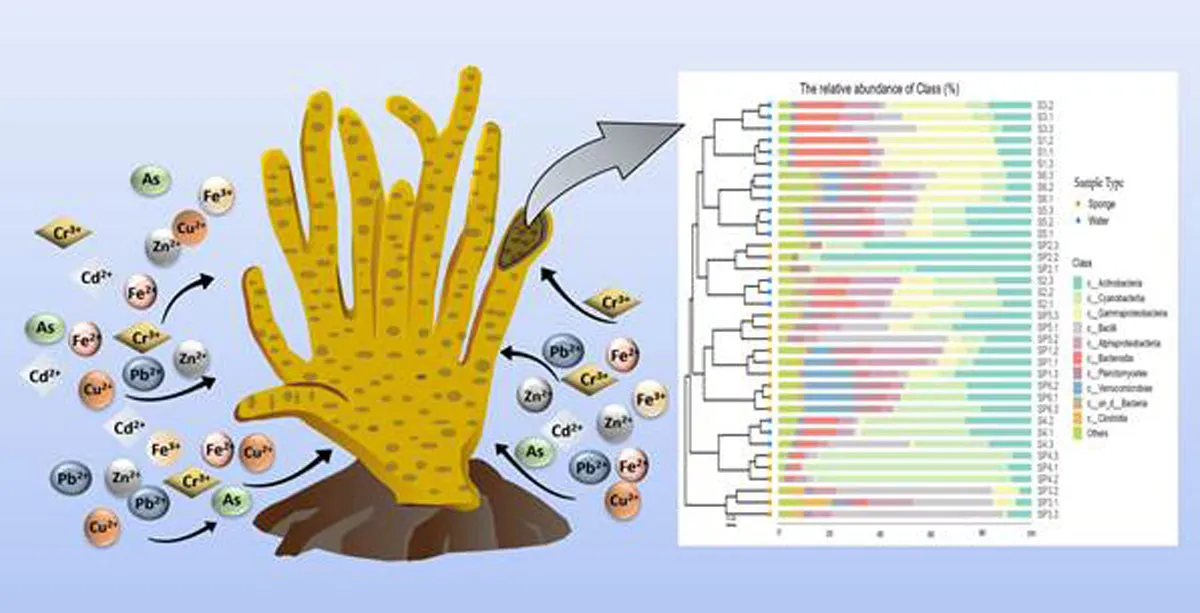
Scientists have identified freshwater sponges and their associated microbial communities as powerful natural allies in tackling toxic metal pollution, offering new hope for sustainable water quality management. A recent study has revealed that these sponges can act both as bioindicators and effective absorbents of harmful metals such as arsenic, lead and cadmium.The findings come from a study published in Microbiology Spectrum by researchers from Bose Institute, an autonomous institute under the Department of Science and Technology, Government of India. The research focused on freshwater spong..
Next Story
Infrastructure Transport

79% of Indian Railways Track now Supports Speeds of 110 Kmph+

Indian Railways has significantly enhanced the speed potential of its track network over the past decade, with 79 per cent of tracks now capable of supporting speeds of 110 kmph and above, compared with just 40 per cent in 2014. The improvement reflects sustained investment in track modernisation and maintenance aimed at faster and safer train operations.According to official data, large-scale upgradation works have been undertaken over the last 11 years to improve track quality and performance. Key measures include the use of heavier 60 kg rails, wider-base concrete sleepers, thick web switch..
Next Story
Infrastructure Transport

Indian Railways Clocks 80% Punctuality Nationwide from Dec 8–14

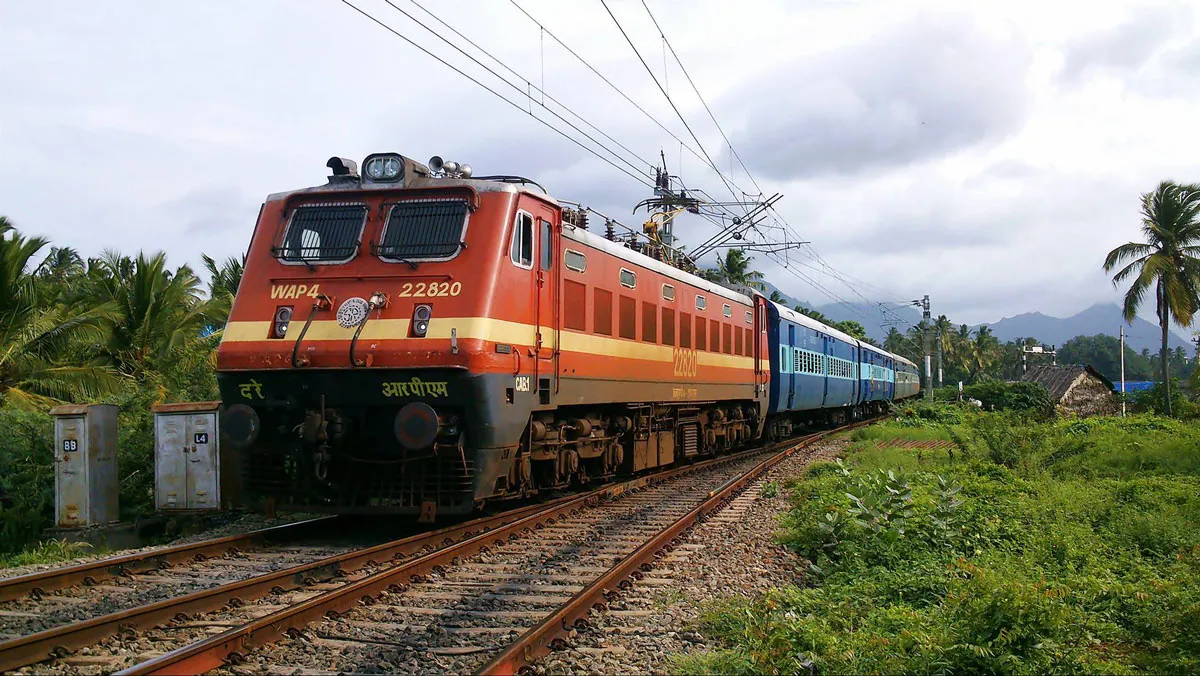
Indian Railways has reported strong operational performance, achieving an overall punctuality of 80 per cent across the network during the period from December 8 to December 14. The achievement reflects sustained efforts by railway divisions to enhance efficiency and ensure reliable and timely services for passengers and freight users.According to official data, 37 railway divisions recorded punctuality levels exceeding 80 per cent during the review period. Notably, 22 divisions achieved punctuality above 90 per cent, while 10 divisions went a step further by crossing the 95 per cent mark, hig..

Advertisement

Subscribe to Our Newsletter

Get daily newsletters around different themes from Construction world.

STAY CONNECTED

Advertisement

Advertisement

Advertisement

Advertisement

Open In App