Demand Aggregation Can Cut Power Costs for Steel MSMEs by 34 per cent
Steel

Demand Aggregation Can Cut Power Costs for Steel MSMEs by 34 per cent

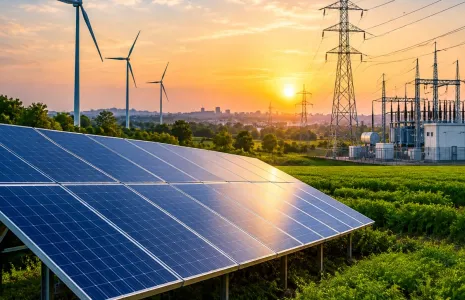
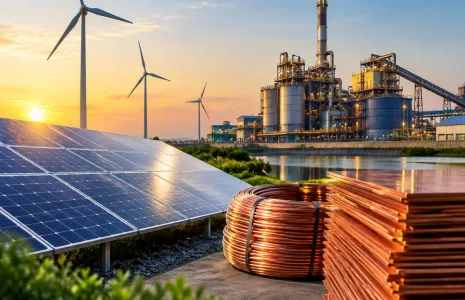
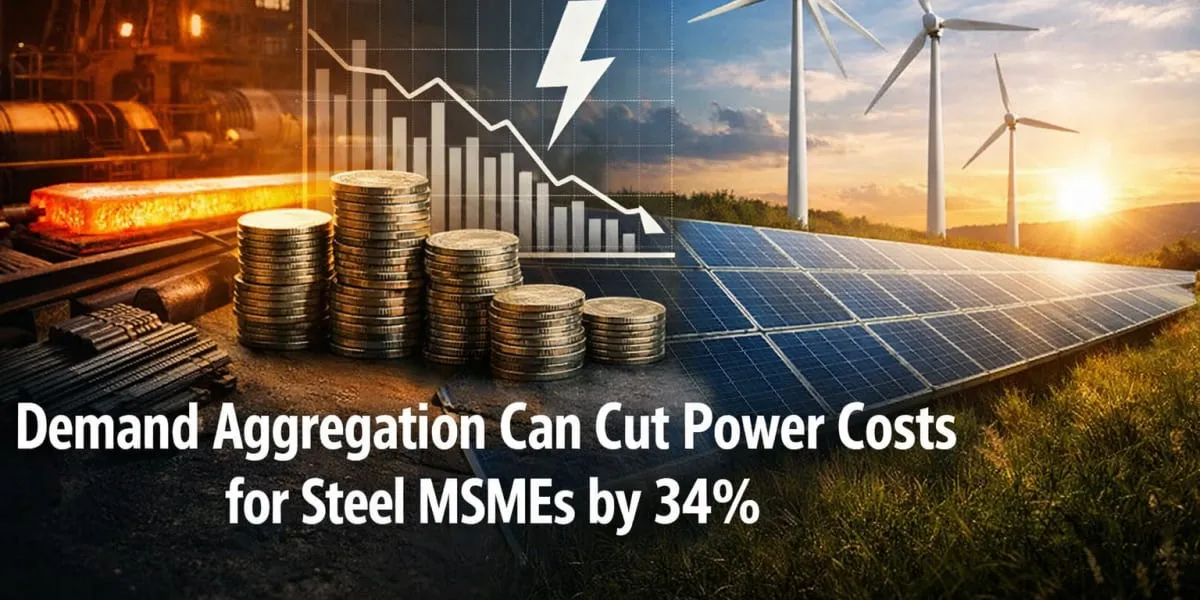
A CII Green Steel Summit report in Raipur finds renewable energy could cut electricity tariffs for India's small and medium secondary steel units by up to 34 per cent, equal to Rs22 million (mn) to Rs24 million (mn) per unit. The study says electricity can form up to 40 per cent of operating costs and that renewable power costs Rs4.5 to Rs6 per unit versus grid Rs7 to Rs8.

Twenty-two clusters were ranked on a Renewable Energy Attractiveness Index, with Raipur, Belgaum, Shimoga, Rajkot and Bhavnagar among the top five. The index assessed policy, cost-saving potential, consumption, market potential and land availability, and the report modelled representative units to quantify investments and savings. Secondary steel covers output from smaller electric arc and induction furnaces and associated re-rolling mills, forging units and foundries.

The study, Powering India's Secondary Steel Transition, was produced by the India Green Steel Coalition and JMK Research and Analytics with support from India Green Steel Network. It compares full capex, group captive and third-party open access over a 25-year project life and finds group captive delivers the best balance of equity outlay and savings for MSMEs.

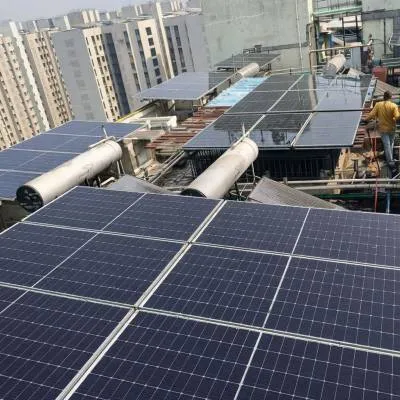
Under group captive several units jointly own the renewable plant and draw power in proportion to equity participation, pooling demand to reach viable scale. In Rajkot a foundry taking a five megawatt (MW) share would invest Rs14 million and cut its tariff by around 20 per cent. In Raipur a unit taking a 10 MW share would invest Rs27 million and reduce its tariff by 34 per cent, with payback in one to two years.

The secondary steel sector accounts for about 44 per cent of crude steel production and emits an estimated 50-60 million (mn) tonne (t) of carbon dioxide annually across more than 1,000 MSME units, while renewable adoption among these units is about 11 per cent versus 22 per cent nationally. It recommends time-bound open access concessions, portfolio-level credit guarantees through SIDBI or IREDA and a standard state framework for group captives to scale uptake and improve competitiveness.

A CII Green Steel Summit report in Raipur finds renewable energy could cut electricity tariffs for India's small and medium secondary steel units by up to 34 per cent, equal to Rs22 million (mn) to Rs24 million (mn) per unit. The study says electricity can form up to 40 per cent of operating costs and that renewable power costs Rs4.5 to Rs6 per unit versus grid Rs7 to Rs8. Twenty-two clusters were ranked on a Renewable Energy Attractiveness Index, with Raipur, Belgaum, Shimoga, Rajkot and Bhavnagar among the top five. The index assessed policy, cost-saving potential, consumption, market potential and land availability, and the report modelled representative units to quantify investments and savings. Secondary steel covers output from smaller electric arc and induction furnaces and associated re-rolling mills, forging units and foundries. The study, Powering India's Secondary Steel Transition, was produced by the India Green Steel Coalition and JMK Research and Analytics with support from India Green Steel Network. It compares full capex, group captive and third-party open access over a 25-year project life and finds group captive delivers the best balance of equity outlay and savings for MSMEs. Under group captive several units jointly own the renewable plant and draw power in proportion to equity participation, pooling demand to reach viable scale. In Rajkot a foundry taking a five megawatt (MW) share would invest Rs14 million and cut its tariff by around 20 per cent. In Raipur a unit taking a 10 MW share would invest Rs27 million and reduce its tariff by 34 per cent, with payback in one to two years. The secondary steel sector accounts for about 44 per cent of crude steel production and emits an estimated 50-60 million (mn) tonne (t) of carbon dioxide annually across more than 1,000 MSME units, while renewable adoption among these units is about 11 per cent versus 22 per cent nationally. It recommends time-bound open access concessions, portfolio-level credit guarantees through SIDBI or IREDA and a standard state framework for group captives to scale uptake and improve competitiveness.

Related Stories

Gold Stories
Next Story
Infrastructure Urban

EMO Energy and e-Sprinto to Deploy 8,000 Electric Scooters

EMO Energy has announced a partnership with electric two-wheeler maker e-Sprinto to deploy 8,000 electric scooters across India this financial year. The rollout will include both low-speed and high-speed models and will be phased across several cities. The scooters will be aimed at quick-commerce and last-mile delivery operations where uptime and energy efficiency are prioritised. EMO Energy said the scooters will use its patented ZenPac liquid-cooled battery platform with active thermal management, battery intelligence and energy optimisation to improve reliability and performance. ZenPac con..

Next Story
Infrastructure Energy

Octillion Opens Third EV Battery Plant in India

Octillion Power Systems has opened its third manufacturing facility in Halol, Gujarat, adding production capacity as demand for electric vehicle battery systems grows across passenger, commercial and public transport segments. The facility covers more than 13,000 square metres and was converted from an empty structure into an operational battery manufacturing plant in less than eight months. At full capacity the Gujarat plant will manufacture more than 48,000 battery systems annually, representing over three GWh of energy storage capacity. With the addition of the Halol facility Octillion's co..

Next Story
Real Estate

Land Reforms Could Unlock Urban Affordable Housing

Former cabinet secretary and NITI Aayog member Rajeev Gauba said India’s urban housing shortage could be tackled by unlocking 10 million (mn) vacant homes and using excess unutilised land held by public sector undertakings (PSUs). He said land availability lay at the heart of the problem and estimated that land accounted for as much as 50 to 70 per cent of total project cost. He urged states to waive land?use change fees and exempt stamp duty on land and transactions linked to affordable housing. He noted that urban population was projected to rise from 500 million to nearly 900 million by 2..

Advertisement

Subscribe to Our Newsletter

Get daily newsletters around different themes from Construction world.

STAY CONNECTED

Advertisement