+
SAIL And Krakatau Steel Plan US$350 Mn Indonesia Stainless Slab Plant
Steel

SAIL And Krakatau Steel Plan US$350 Mn Indonesia Stainless Slab Plant

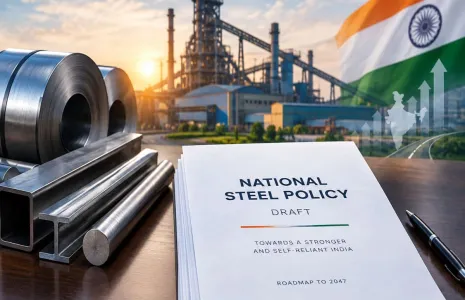
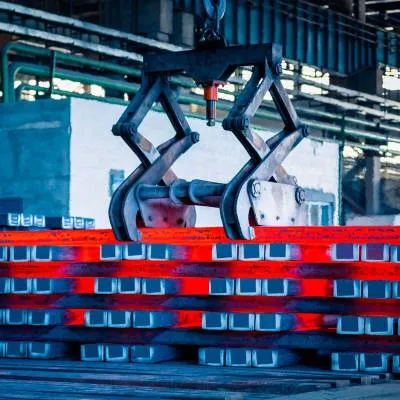
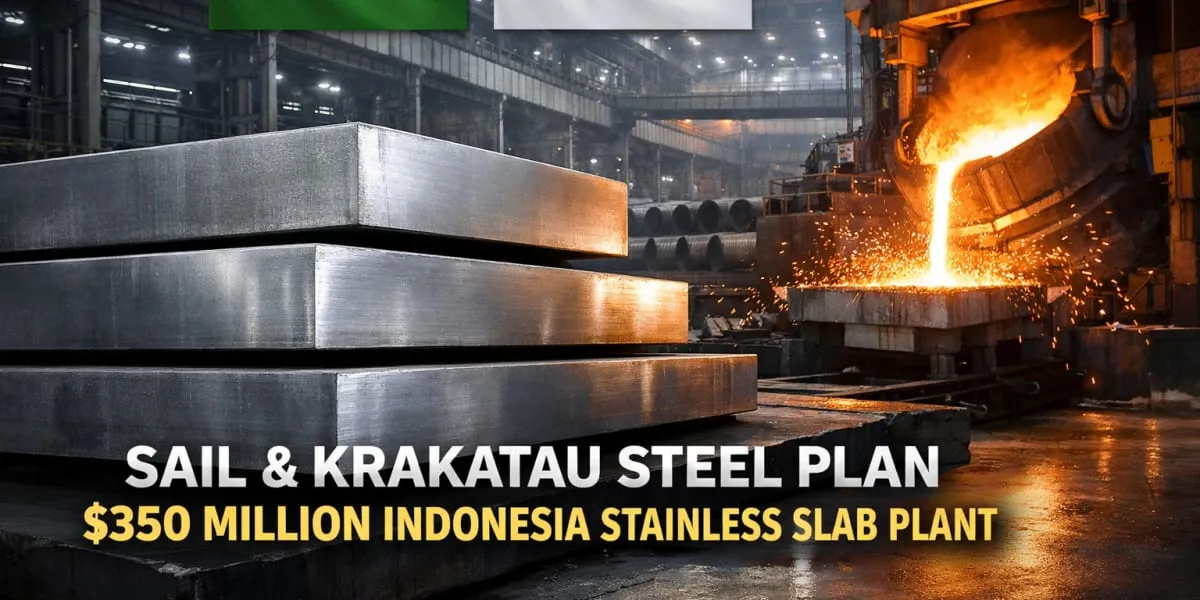
Steel Authority of India Limited (SAIL) and Indonesia's Krakatau Steel plan to invest up to US$350 million (US$350 mn) in a stainless steel slab plant in Indonesia, sources said. The proposed facility will have an annual capacity of 500,000 metric tonnes (t) and is expected to be operational within three to four years. The investment and capacity figures were disclosed by two Indian sources familiar with the matter and follow a preliminary agreement reached earlier this month. The companies intend the arrangement to secure slab supply for downstream processing in India.

The firms signed a preliminary joint venture accord during the visit of the Indian prime minister to Indonesia and plan to send a technical team next month to prepare a feasibility report. The sources indicated the equity structure, timeline for government approvals and other commercial details will be finalised after the feasibility work. Deliberations remain private and the companies have not issued public statements, according to the available information. The proposed schedule envisages construction and commissioning over a multi?year timeframe.

SAIL will use the entire slab output for its Salem rolling and finishing plant in the southern state of Tamil Nadu, the sources said, with finished products to be supplied primarily to Indian customers. A small proportion of shipments could be exported to the Middle East and Europe once production stabilises. The proposed factory's capacity could be expanded after it begins operations to meet additional demand. The arrangement is designed to integrate upstream slab production in Indonesia with downstream value addition in India.

The announcement comes as SAIL remained the third largest steel producer in India in the fiscal year to March 2025 with a 10.1 per cent share of the domestic market, data from commodities consultancy BigMint show. India's finished steel consumption has risen 55 per cent over the past five years while production increased by 42 per cent, creating incentives for capacity partnerships abroad. Steelmakers are prioritising the domestic market amid weaker exports to Europe and Britain and continued competition from Chinese producers.

Steel Authority of India Limited (SAIL) and Indonesia's Krakatau Steel plan to invest up to US$350 million (US$350 mn) in a stainless steel slab plant in Indonesia, sources said. The proposed facility will have an annual capacity of 500,000 metric tonnes (t) and is expected to be operational within three to four years. The investment and capacity figures were disclosed by two Indian sources familiar with the matter and follow a preliminary agreement reached earlier this month. The companies intend the arrangement to secure slab supply for downstream processing in India. The firms signed a preliminary joint venture accord during the visit of the Indian prime minister to Indonesia and plan to send a technical team next month to prepare a feasibility report. The sources indicated the equity structure, timeline for government approvals and other commercial details will be finalised after the feasibility work. Deliberations remain private and the companies have not issued public statements, according to the available information. The proposed schedule envisages construction and commissioning over a multi?year timeframe. SAIL will use the entire slab output for its Salem rolling and finishing plant in the southern state of Tamil Nadu, the sources said, with finished products to be supplied primarily to Indian customers. A small proportion of shipments could be exported to the Middle East and Europe once production stabilises. The proposed factory's capacity could be expanded after it begins operations to meet additional demand. The arrangement is designed to integrate upstream slab production in Indonesia with downstream value addition in India. The announcement comes as SAIL remained the third largest steel producer in India in the fiscal year to March 2025 with a 10.1 per cent share of the domestic market, data from commodities consultancy BigMint show. India's finished steel consumption has risen 55 per cent over the past five years while production increased by 42 per cent, creating incentives for capacity partnerships abroad. Steelmakers are prioritising the domestic market amid weaker exports to Europe and Britain and continued competition from Chinese producers.

Related Stories

Gold Stories
Next Story
Infrastructure Urban

DDA Holds Consultations on MPD 2047 Implementation

The Delhi Development Authority (DDA) held its second and third stakeholder consultations on Thursday on implementing the Master Plan for Delhi (MPD) 2047. The meetings brought together government agencies, civic bodies and heritage conservation organisations to discuss coordination and the practical implementation of the plan. The consultations were conducted in line with directions from Delhi Lieutenant Governor Taranjit Singh Sandhu. The DDA said its focus was on ensuring that MPD 2047 provisions are translated into tangible benefits for residents across the capital. The discussions were in..

Next Story
Building Material

Tata Steel Commissions India’s First Coke Oven Gas Injection Project

Tata Steel has commissioned India’s first coke oven gas (COG) injection project at its Meramandali steel plant in Odisha’s Dhenkanal district. The initiative is intended to reduce fossil-fuel consumption and carbon emissions from conventional blast-furnace ironmaking while improving the use of gases generated within the integrated steel plant. COG is a hydrogen- and hydrocarbon-rich byproduct of coke production. It contains more than 55 per cent hydrogen and methane and is typically used for power generation, heating or flaring. Under the new project, the gas is cleaned to remove harmful t..

Next Story
Infrastructure Urban

MSME Credit Grows 12.5%, Led by Larger Businesses

India’s MSME credit portfolio reached Rs. 4.74 tn in June 2026, rising 12.5 per cent from a year earlier, but most of the increase came from small and medium businesses. Lending to micro enterprises remained broadly unchanged, according to CRIF High Mark’s latest MSMEx Spotlight report, which examined data available at the end of June. CRIF High Mark grouped businesses by outstanding credit exposure rather than the government’s MSME classification. Micro businesses were defined as those with exposure up to Rs. 20 mn, small businesses as those with exposure above Rs. 20 mn and up to Rs. 2..

Advertisement

Subscribe to Our Newsletter

Get daily newsletters around different themes from Construction world.

STAY CONNECTED

Advertisement

SPECIAL OFFER
QR Code