Emphasis on Efficient Passenger Processing at Airports
AVIATION & AIRPORTS

Emphasis on Efficient Passenger Processing at Airports

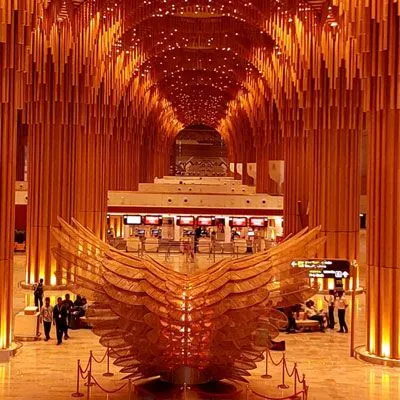
Efficient passenger processing is set to take precedence over retail and VIP lounges at airports, signalling a shift in priorities for enhanced traveller experience. The move, aimed at streamlining and expediting the passenger journey, reflects a strategic decision to prioritise convenience and time efficiency.

Airports, recognising the evolving needs of travellers, are reevaluating their layout and service offerings. The focus on optimising passenger processing aims to reduce wait times, enhance security procedures, and improve overall travel experiences. This strategic realignment is in response to the changing dynamics of air travel and the increasing demand for seamless, hassle-free journeys.

The decision to prioritise passenger processing aligns with the industry's commitment to adapt to the post-pandemic landscape, where travellers seek a balance between safety measures and efficient travel experiences. By reallocating resources and attention to the core elements of passenger movement, airports intend to create a more responsive and agile environment.

While retail and VIP lounges remain integral components of airport services, the redefined priority underscores the industry's commitment to aligning with the changing expectations of passengers. This shift in focus is anticipated to contribute to a more streamlined and enjoyable airport experience, meeting the demands of the modern traveller in an evolving aviation landscape.

Efficient passenger processing is set to take precedence over retail and VIP lounges at airports, signalling a shift in priorities for enhanced traveller experience. The move, aimed at streamlining and expediting the passenger journey, reflects a strategic decision to prioritise convenience and time efficiency. Airports, recognising the evolving needs of travellers, are reevaluating their layout and service offerings. The focus on optimising passenger processing aims to reduce wait times, enhance security procedures, and improve overall travel experiences. This strategic realignment is in response to the changing dynamics of air travel and the increasing demand for seamless, hassle-free journeys. The decision to prioritise passenger processing aligns with the industry's commitment to adapt to the post-pandemic landscape, where travellers seek a balance between safety measures and efficient travel experiences. By reallocating resources and attention to the core elements of passenger movement, airports intend to create a more responsive and agile environment. While retail and VIP lounges remain integral components of airport services, the redefined priority underscores the industry's commitment to aligning with the changing expectations of passengers. This shift in focus is anticipated to contribute to a more streamlined and enjoyable airport experience, meeting the demands of the modern traveller in an evolving aviation landscape.

Next Story
Infrastructure Transport

MMRDA advances 250 m on Orange Gate–Marine Drive tunnel

The Mumbai Metropolitan Region Development Authority (MMRDA) has completed 250 m of underground tunnelling for the Orange Gate–Marine Drive Urban Road Tunnel using India’s largest slurry shield tunnel boring machine (TBM) deployed for an urban road project.The project involves twin tunnels extending over 7 km beneath critical transport corridors, including Central Railway, Western Railway and Metro Line 3. The work requires high-precision engineering to navigate densely developed urban infrastructure.Once completed, the tunnel is expected to reduce travel time between Orange Gate and Marin..

Next Story
Infrastructure Urban

Hindustan Zinc Pays Rs 188.46 Billion in FY26

Hindustan Zinc contributed Rs 188.46 billion to the public exchequer in FY 2025-26, according to its 9th Tax Transparency Report. The contribution, equivalent to 46 per cent of the company’s revenue, included direct and indirect taxes, government royalties, dividends to the Government of India, withholding taxes and other statutory levies.The company’s five-year cumulative contribution to the exchequer stood at Rs 915.72 billion. In FY26, Hindustan Zinc reported revenue of Rs 408.44 billion, EBITDA of Rs 221.62 billion and profit after tax of Rs 138.32 billion. It also achieved its highest..

Next Story
Infrastructure Urban

World of Concrete India 2026 Opens in Mumbai

Informa Markets in India will host the 12th edition of World of Concrete India 2026 from 3–5 June 2026 at the Bombay Exhibition Centre, Mumbai. The specialised B2B exhibition will bring together manufacturers, suppliers, contractors, developers, architects, consultants, infrastructure companies, project leaders and government stakeholders.The event is expected to feature over 350 brands and more than 18,000 trade professionals. It will cover concrete and cement, dry mortar, precast technologies, formwork, construction chemicals, industrial and commercial flooring, scaffolding, safety solutio..

Advertisement

Subscribe to Our Newsletter

Get daily newsletters around different themes from Construction world.

STAY CONNECTED

Advertisement

Advertisement

Advertisement