+
Alstom Launches Trains and ETCS Signalling on Delhi-Meerut Corridors
RAILWAYS & METRO RAIL

Alstom Launches Trains and ETCS Signalling on Delhi-Meerut Corridors

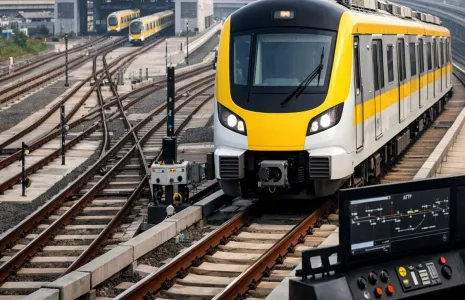
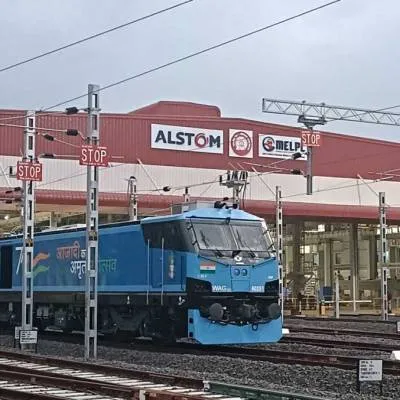
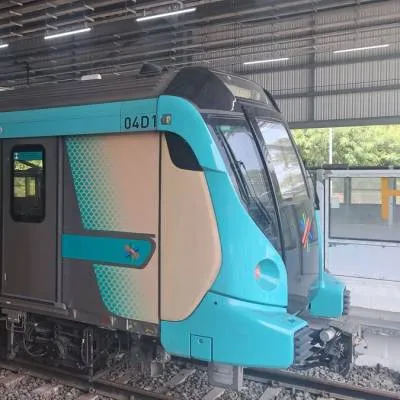
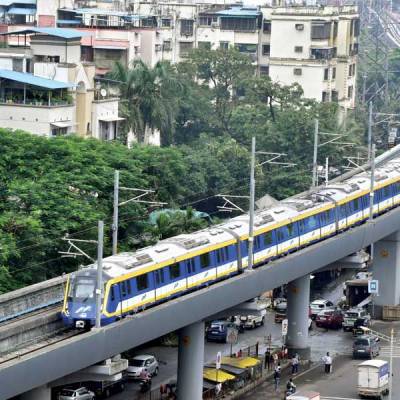
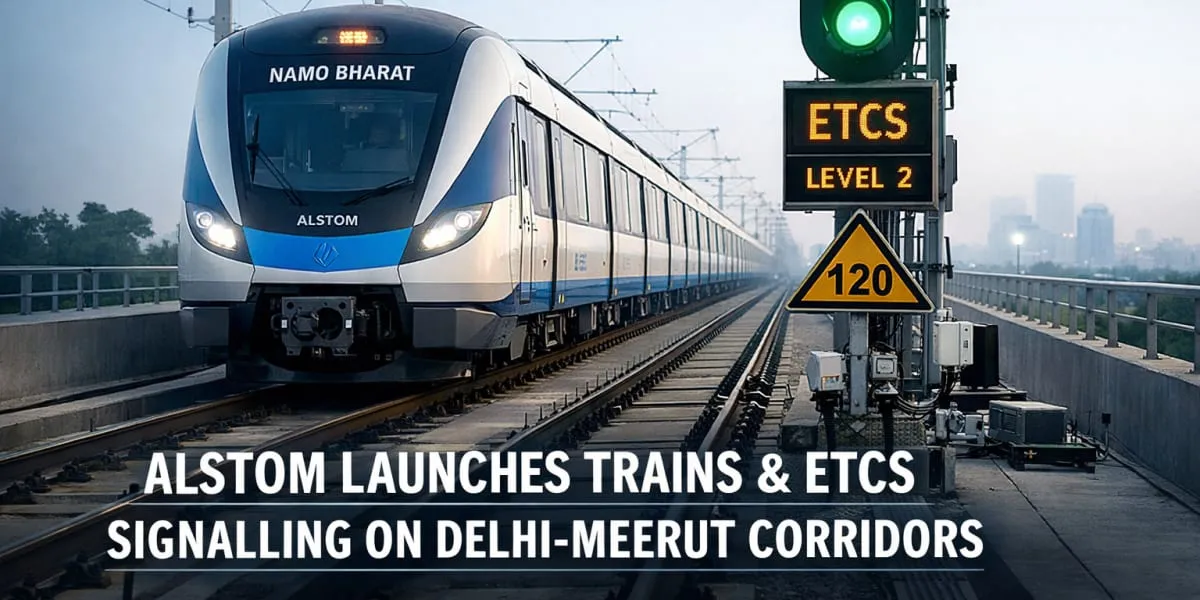
Alstom commenced commercial operations on the balance stretch of the Namo Bharat Regional Rapid Transit System (RRTS) corridor and on the Meerut Mass Rapid Transit System (MRTS), advancing the Delhi-Ghaziabad-Meerut network. The inauguration covered New Ashok Nagar to Sarai Kale Khan, a five point five km section, and Meerut South to Modipuram, a 21 km section, together with the Meerut Metro section of 21 km. Meerut Metro will operate with the European Train Control System (ETCS) Hybrid Level three over Long-Term Evolution (LTE) four G signalling, a first for an urban metro. The trains and signalling solutions were India made by Alstom.

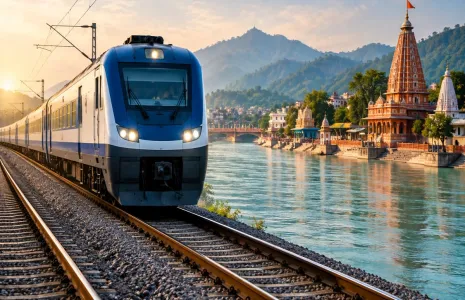
The National Capital Region Transport Corporation (NCRTC) led the project and the works are expected to improve urban mobility across the region and intra-city travel in Meerut. Meerut Metro is described as India’s fastest urban metro with a design speed of 135 kmph and a maximum operational speed of 120 kmph. Alstom’s managing director indicated that the opening of the corridor and commencement of revenue services will unlock inter and intra city growth opportunities and that Alstom will support NCRTC in delivery.

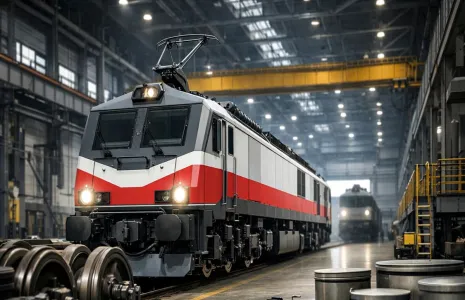
Design and engineering were conducted at Alstom’s Hyderabad engineering centre with manufacture at Savli and propulsion and electrical systems produced at Maneja in Gujarat, supporting Make-in-India and Aatmanirbhar Bharat aims. The trains are reported to be 100 per cent made in India and are part of Alstom’s Adessia commuter family, offering luggage racks, information screens, USB sockets, wheelchair spaces and stretcher provision. Emergency communication capabilities are integrated and the cars are stated to comply with international safety standards.

Under the 2020 contract Alstom was to deliver 180 RRTS train cars in 30 trainsets and 30 MRTS train cars in 10 trainsets, supply signalling and telecommunications including platform screen doors and LTE radio, and provide maintenance for 15 years. The Meerut Metro Line spans 21 km with 12 stations and four stations will integrate with the Delhi-Meerut RRTS to enhance connectivity. The company presented the fleet as a sustainable choice to reduce congestion, air pollution and fuel consumption.

Alstom commenced commercial operations on the balance stretch of the Namo Bharat Regional Rapid Transit System (RRTS) corridor and on the Meerut Mass Rapid Transit System (MRTS), advancing the Delhi-Ghaziabad-Meerut network. The inauguration covered New Ashok Nagar to Sarai Kale Khan, a five point five km section, and Meerut South to Modipuram, a 21 km section, together with the Meerut Metro section of 21 km. Meerut Metro will operate with the European Train Control System (ETCS) Hybrid Level three over Long-Term Evolution (LTE) four G signalling, a first for an urban metro. The trains and signalling solutions were India made by Alstom. The National Capital Region Transport Corporation (NCRTC) led the project and the works are expected to improve urban mobility across the region and intra-city travel in Meerut. Meerut Metro is described as India’s fastest urban metro with a design speed of 135 kmph and a maximum operational speed of 120 kmph. Alstom’s managing director indicated that the opening of the corridor and commencement of revenue services will unlock inter and intra city growth opportunities and that Alstom will support NCRTC in delivery. Design and engineering were conducted at Alstom’s Hyderabad engineering centre with manufacture at Savli and propulsion and electrical systems produced at Maneja in Gujarat, supporting Make-in-India and Aatmanirbhar Bharat aims. The trains are reported to be 100 per cent made in India and are part of Alstom’s Adessia commuter family, offering luggage racks, information screens, USB sockets, wheelchair spaces and stretcher provision. Emergency communication capabilities are integrated and the cars are stated to comply with international safety standards. Under the 2020 contract Alstom was to deliver 180 RRTS train cars in 30 trainsets and 30 MRTS train cars in 10 trainsets, supply signalling and telecommunications including platform screen doors and LTE radio, and provide maintenance for 15 years. The Meerut Metro Line spans 21 km with 12 stations and four stations will integrate with the Delhi-Meerut RRTS to enhance connectivity. The company presented the fleet as a sustainable choice to reduce congestion, air pollution and fuel consumption.

Next Story
Infrastructure Transport

Guwahati Airport New Terminal Set To Begin Operations

The new terminal at Lokpriya Gopinath Bardoloi International Airport in Guwahati is scheduled to begin operations on February 22, state officials said. The announcement was made by the Chief Minister of Assam, who indicated that the facility will open to passengers on that date. The terminal forms part of a broader effort to upgrade aviation infrastructure in the region. The facility is expected to offer enhanced passenger amenities and streamlined movement across terminals. The integrated Terminal-2 building was inaugurated by the Prime Minister on 20 December last year and was constructed at..

Next Story
Infrastructure Urban

India–France Centre of Excellence in Aeronautics Announced for Kanpur

The Prime Minister announced the establishment of a National Centre of Excellence (NCoE) for skilling in aeronautics and defence at the National Skill Training Institute (NSTI), Kanpur, in collaboration with the Government of the French Republic under the Pradhan Mantri Skilling and Employability Transformation through Upgraded ITIs (PM-SETU) scheme of the Ministry of Skill Development and Entrepreneurship (MSDE). The announcement was made during a joint press statement with the President of France at the inauguration of the India–France Year of Innovation. The centre will focus on advanced ..

Next Story
Infrastructure Urban

Embraer And Mahindra Deepen Partnership For C-390 MRO In India

Brazilian aerospace manufacturer Embraer and Indian conglomerate Mahindra Group have agreed to deepen cooperation to develop Maintenance, Repair and Overhaul capabilities for the C-390 Millennium aircraft in India, contingent on the Indian Air Force selecting the type for its Medium Transport Aircraft programme. The initiative is intended to align with the government’s Make in India drive and to strengthen indigenous defence manufacturing capacities. The partners envisage the proposed facility supporting both military and civil operators and creating significant employment across manufacturi..

Advertisement

Subscribe to Our Newsletter

Get daily newsletters around different themes from Construction world.

STAY CONNECTED

Advertisement

Advertisement

Advertisement

Open In App