Delhi Metro Phase III to Add FOBs and Ramps at 14 Interchange Stations
RAILWAYS & METRO RAIL

Delhi Metro Phase III to Add FOBs and Ramps at 14 Interchange Stations

The Delhi Metro Rail Corporation (DMRC) is proceeding with enhancements under Phase III to improve interchange connectivity across the capital.

The programme will add foot overbridges (FOBs), ramps and other linkages at 14 interchange stations to enable smoother transfers between new ring routes and major existing corridors.

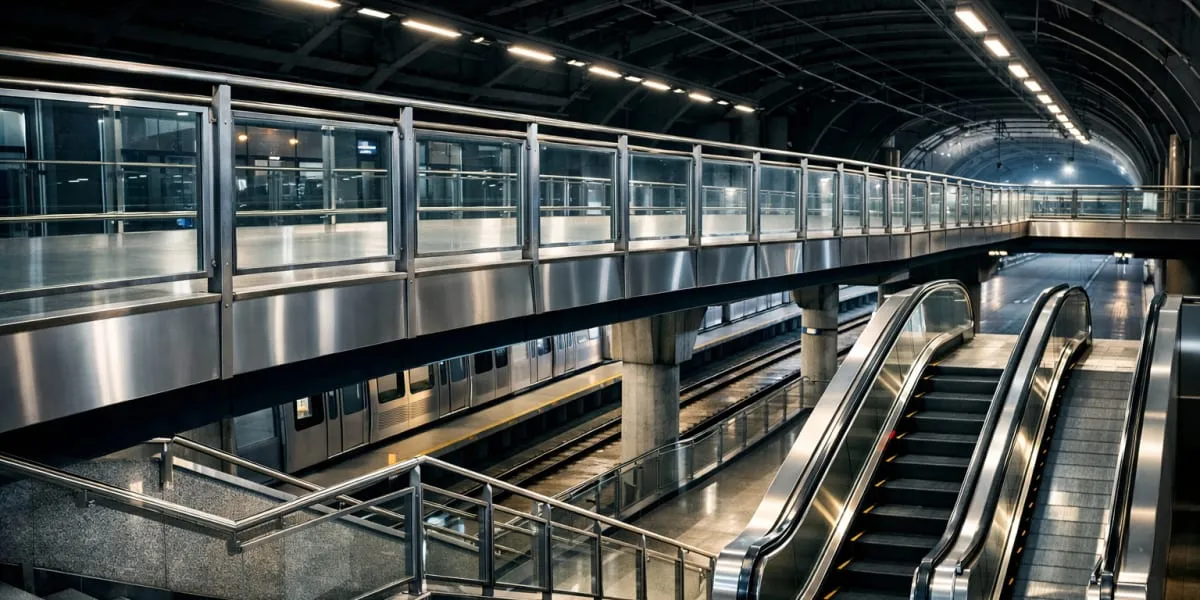
To ensure seamless movement, DMRC plans an integrated network of foot overbridges, ramps, underground passages and travelators extending more than three kilometres in total. The corridors are being designed to reduce walking time and to enhance accessibility at high-footfall interchanges. Designs will vary by location, with FOBs used for elevated connections, ramps to bridge level differences and subways linking underground sections.

At Dhaula Kuan one of the longest foot overbridges will link the Airport Express Line station with the Durgabai Deshmukh South Campus station on the Pink Line and the corridor is expected to include around 22 travelators to assist passengers carrying luggage. Major interchanges such as Anand Vihar and Botanical Garden will see full integration between existing and new corridors to allow direct transfers. Stations including Azadpur, Mayur Vihar Phase-I, Karkarduma and Welcome will be outfitted with FOBs without travelators while ramps are being added at Netaji Subhash Place, Lajpat Nagar and Kalkaji Mandir. At Janakpuri West extra-long escalators will provide direct concourse-level connectivity where the Blue Line is elevated and the Magenta Line runs approximately 17 metres below ground.

DMRC is also introducing a colour-coded guidance system across interchange pathways to simplify navigation for first-time and occasional users. The initiative forms part of a wider strategy to improve last-mile connectivity and to reduce congestion at interchange nodes. Officials expect the measures to make travel across Delhi’s expanding metro network more efficient and more commuter-friendly.

"Join industry leaders at RAHSTA Expo, India's premier platform for roads, highways and traffic infrastructure. Register now to explore innovations, network with experts and shape the future of mobility."

The Delhi Metro Rail Corporation (DMRC) is proceeding with enhancements under Phase III to improve interchange connectivity across the capital. The programme will add foot overbridges (FOBs), ramps and other linkages at 14 interchange stations to enable smoother transfers between new ring routes and major existing corridors. To ensure seamless movement, DMRC plans an integrated network of foot overbridges, ramps, underground passages and travelators extending more than three kilometres in total. The corridors are being designed to reduce walking time and to enhance accessibility at high-footfall interchanges. Designs will vary by location, with FOBs used for elevated connections, ramps to bridge level differences and subways linking underground sections. At Dhaula Kuan one of the longest foot overbridges will link the Airport Express Line station with the Durgabai Deshmukh South Campus station on the Pink Line and the corridor is expected to include around 22 travelators to assist passengers carrying luggage. Major interchanges such as Anand Vihar and Botanical Garden will see full integration between existing and new corridors to allow direct transfers. Stations including Azadpur, Mayur Vihar Phase-I, Karkarduma and Welcome will be outfitted with FOBs without travelators while ramps are being added at Netaji Subhash Place, Lajpat Nagar and Kalkaji Mandir. At Janakpuri West extra-long escalators will provide direct concourse-level connectivity where the Blue Line is elevated and the Magenta Line runs approximately 17 metres below ground. DMRC is also introducing a colour-coded guidance system across interchange pathways to simplify navigation for first-time and occasional users. The initiative forms part of a wider strategy to improve last-mile connectivity and to reduce congestion at interchange nodes. Officials expect the measures to make travel across Delhi’s expanding metro network more efficient and more commuter-friendly.

Next Story
Infrastructure Urban

ABS Marine Sees CRISIL Credit Rating Upgrade

ABS Marine Services has secured an upgrade to its long term and short term credit ratings from CRISIL, reflecting improved profitability and revenue growth through long term contracts. CRISIL moved the long term rating from BBB+/Stable to A-/Stable and revised the short term rating from A2 to A2+. The action signals strengthened financial metrics and operational resilience. The company benefited from durable client relationships with firms such as ONGC and Schlumberger. The rating decision followed stronger cash flows and an enlarged bank loan facility, which increased from Rs 3,705 million (m..

Next Story
Infrastructure Transport

Project BRAHMANK Marks 16 Years Of Strategic Roads In Arunachal

Project BRAHMANK is marking 16 years of work to establish strategic road and bridge links across Arunachal Pradesh, maintaining and developing 811 kilometres of roads and nearly 86 bridges that range from small culverts to large steel and arch bridges. These transport links are described as critical for ensuring year-round movement of defence personnel, equipment and essential supplies while improving everyday travel for people in remote villages. The project balances national security requirements with regional development by focusing on reliable access in challenging terrain. Notable enginee..

Next Story
Infrastructure Transport

Longleng CSOs Give One Week Ultimatum Over Two-Lane Highway

Civil society organisations (CSOs) in Longleng district have demanded immediate restoration of the deteriorating Changtongya–Longleng two-lane road and sought a detailed status report on the stalled construction within one week. The demand followed a consultative meeting convened under the Phom Peoples' Council (PPC) to discuss welfare and development concerns. PPC president YB Angam Phom said prolonged non-maintenance had caused hardship to commuters and affected transportation, local commerce and the district's development. The meeting urged authorities to undertake immediate restoration a..

Advertisement

Subscribe to Our Newsletter

Get daily newsletters around different themes from Construction world.

STAY CONNECTED

Advertisement

Advertisement

Advertisement