+
Indian Railways Cuts Diesel Use With Near Complete Electrification
RAILWAYS & METRO RAIL

Indian Railways Cuts Diesel Use With Near Complete Electrification

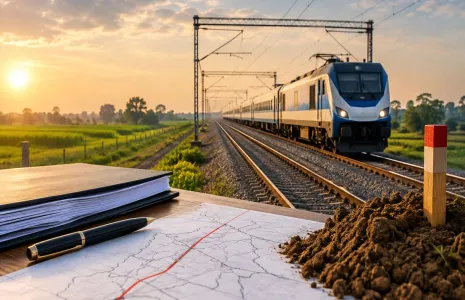
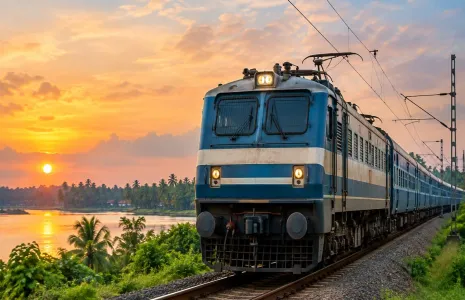
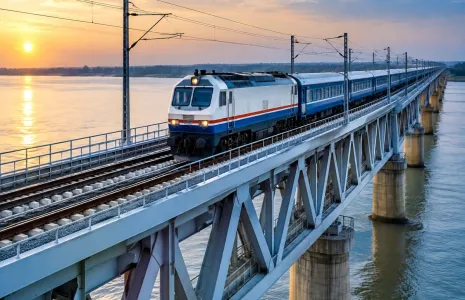
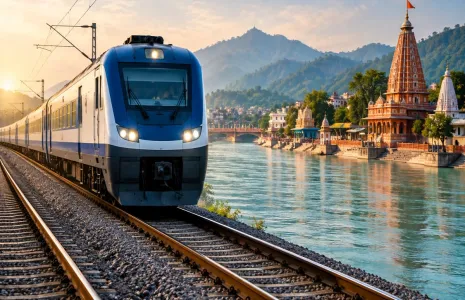
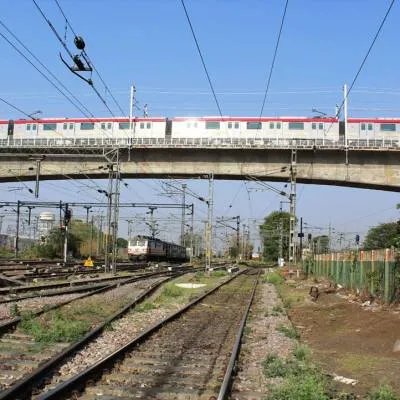
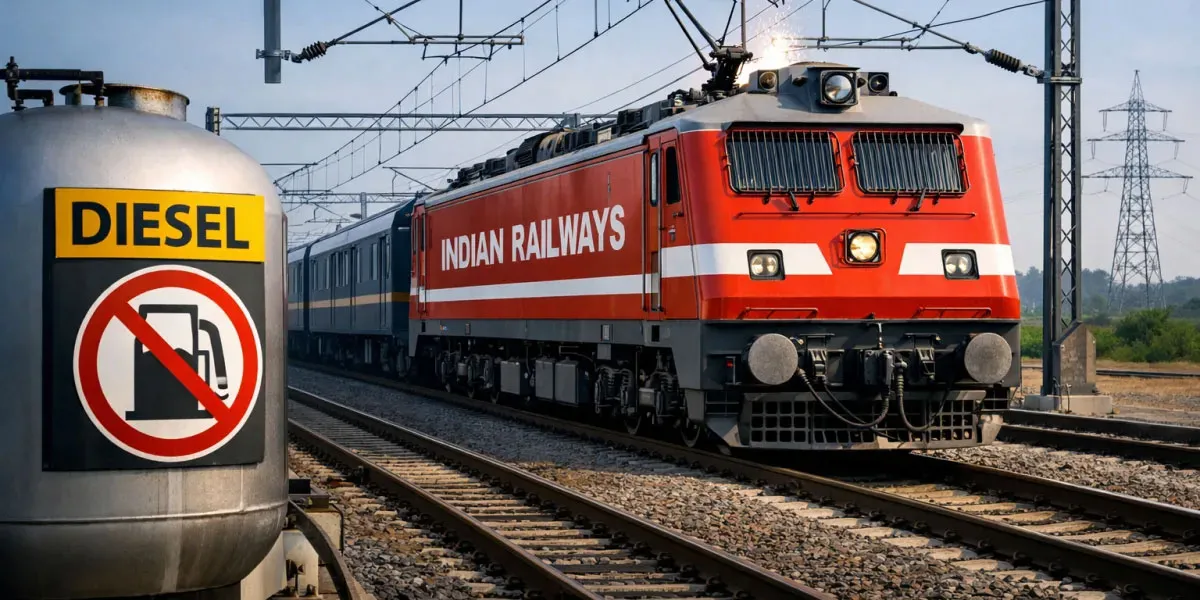
Indian Railways has advanced a mission to electrify its broad gauge network and has achieved about 99.4 per cent electrification of the broad gauge network. The programme delivered 46,900 route kilometres of electrification during 2014–25 on top of 21,801 route kilometres completed before 2014. 25 states have reached 100 per cent electrification while remaining networks are being taken up.

Most zones have attained full electrification and the remainder are close to completion, with North Western and Northeast Frontier at 99 per cent and Southern and South Western at 98 and 96 per cent respectively. Since 2023–24, 10,932 route kilometres were electrified up to January 2026. All new line and multi?tracking projects are sanctioned and constructed with electrification.

During the last five years, Rs 298.26 billion (Rs 298.26 bn) was spent on railway electrification projects. The amount spent on total energy consumption for traction in 2024–25 was Rs 323.78 billion (Rs 323.78 bn). Electrification reduced diesel consumption by 1,780 million litres (1,780 mn litres) in 2024–25 compared with 2016–17, representing a 62 per cent reduction. This has reduced crude oil import dependency.

Completion times depend on forest clearances, shifting of infringing utilities, statutory approvals, geological and topographical conditions, law and order and the number of working months available at a site. Indian Railways acknowledged these factors can affect project schedules. Tests on biodiesel have been conducted but electric traction is considered far more beneficial for environmental and cost reasons.

Waste management measures include disposal of collected waste at nominated en?route stations, provision of two?bin dustbins for source segregation, installation of plastic bottle crushing machines and commissioning of sewage treatment and material recovery facilities where needed. Passenger awareness campaigns, on?board housekeeping staff mandates and regular inspections form part of the cleanliness regime. Bio?toilets were fitted in 9,587 coaches between 2004 and 2014 and in 361,572 coaches since 2014.

Indian Railways has advanced a mission to electrify its broad gauge network and has achieved about 99.4 per cent electrification of the broad gauge network. The programme delivered 46,900 route kilometres of electrification during 2014–25 on top of 21,801 route kilometres completed before 2014. 25 states have reached 100 per cent electrification while remaining networks are being taken up. Most zones have attained full electrification and the remainder are close to completion, with North Western and Northeast Frontier at 99 per cent and Southern and South Western at 98 and 96 per cent respectively. Since 2023–24, 10,932 route kilometres were electrified up to January 2026. All new line and multi?tracking projects are sanctioned and constructed with electrification. During the last five years, Rs 298.26 billion (Rs 298.26 bn) was spent on railway electrification projects. The amount spent on total energy consumption for traction in 2024–25 was Rs 323.78 billion (Rs 323.78 bn). Electrification reduced diesel consumption by 1,780 million litres (1,780 mn litres) in 2024–25 compared with 2016–17, representing a 62 per cent reduction. This has reduced crude oil import dependency. Completion times depend on forest clearances, shifting of infringing utilities, statutory approvals, geological and topographical conditions, law and order and the number of working months available at a site. Indian Railways acknowledged these factors can affect project schedules. Tests on biodiesel have been conducted but electric traction is considered far more beneficial for environmental and cost reasons. Waste management measures include disposal of collected waste at nominated en?route stations, provision of two?bin dustbins for source segregation, installation of plastic bottle crushing machines and commissioning of sewage treatment and material recovery facilities where needed. Passenger awareness campaigns, on?board housekeeping staff mandates and regular inspections form part of the cleanliness regime. Bio?toilets were fitted in 9,587 coaches between 2004 and 2014 and in 361,572 coaches since 2014.

Next Story
Real Estate

Casagrand Launches Keystone In Tiruppur

Casagrand has launched Casagrand Keystone, a gated residential development at Rakkiyapalayam, off Avinashi Road, in Tiruppur. Spread across 2.2 acres, the B+G+5 structure comprises 142 units of 2 and 3 BHK homes, supported by 48 indoor and outdoor amenities. The project is introduced at a starting price of Rs 5,199 per sq. ft. The development allocates 1.3 acres to open space, including a central park of about 24,500 sq. ft. A 6,800 sq. ft. clubhouse includes a multipurpose hall, mini theatre and indoor recreation facilities. Other amenities include a 5,100 sq. ft. swimming pool, poolside par..

Next Story
Real Estate

Premium homes account for half of India’s housing sales in 2025

Knight Frank India, in its latest report on India’s office and residential property market, has highlighted a significant shift in housing demand, with homes priced above Rs 10 million accounting for 50 per cent of total residential sales across the top eight cities in 2025. The findings underscore the growing dominance of premium housing in the country’s real estate landscape.Out of 348,247 residential units sold during the year, approximately 175,091 units were in the Rs 10 million-plus category, marking a 14 per cent year-on-year increase. The data reflects changing buyer preferences, w..

Next Story
Infrastructure Energy

Xbattery launches XB-5K energy storage system for homes, offices

Xbattery, a Hyderabad-based deep-tech company specialising in next-generation energy storage and battery management technologies, has introduced its flagship XB-5K, a scalable 5kWh energy storage system designed for homes and offices in India.The XB-5K is built on the company’s indigenously developed BharatBMS platform, described as India’s first universal high-voltage battery management system architecture aimed at reducing import dependence and improving after-sales service capabilities. The launch comes as India seeks to strengthen domestic manufacturing and address reliance on imported..

Advertisement

Subscribe to Our Newsletter

Get daily newsletters around different themes from Construction world.

STAY CONNECTED

Advertisement

Advertisement

Advertisement

Open In App