Mumbai Ahmedabad Bullet Train Tunnels Reach Key Milestone
RAILWAYS & METRO RAIL

Mumbai Ahmedabad Bullet Train Tunnels Reach Key Milestone

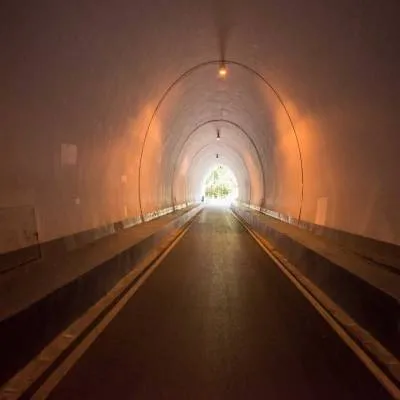
The Mumbai-Ahmedabad high-speed rail project reached a significant construction milestone as the second TBM commenced excavation from Sawli in Ghansoli towards Vikhroli. The TBM will form part of the underground corridor and will construct the section beneath Thane Creek, which will be India’s first undersea high-speed rail tunnel. The work is part of broader tunnelling efforts to link key urban nodes.

The TBM is one of the largest deployed for railway tunnelling in India and will operate alongside other machines to complete the 21 kilometre underground tunnel. Of that length, 16 kilometres between Sawli and Bandra-Kurla Complex will be excavated using TBMs, while the remaining sections will use conventional methods. The first TBM began tunnelling from Vikhroli towards Bandra-Kurla Complex earlier this month.

The machine is a Mixshield type that uses advanced slurry technology to stabilise the tunnel face and minimise ground disturbance in Mumbai’s densely populated suburbs. A 39 metre deep shaft was constructed at Sawli to launch the TBM, which was lowered underground and assembled in phases to begin the drive. Project authorities have outlined careful ground monitoring and safety protocols for the tunnelling operations.

The undersea section beneath Thane Creek will require specialised lining and waterproofing measures and the project team has planned logistics accordingly. The tunnelling milestone follows preparatory civil works, station designs and utility diversions that have been coordinated with local agencies. The completion of the underground corridor is central to delivering the high-speed link between Mumbai and Ahmedabad on schedule.

Safety monitoring systems and continuous geotechnical surveys will be employed during tunnelling to protect existing buildings and infrastructure. Coordination with municipal authorities and utility providers has been intensified to manage traffic and services during construction. The project maintains staged work plans and contingency procedures to reduce disruptions and maintain progress towards completion.

The Mumbai-Ahmedabad high-speed rail project reached a significant construction milestone as the second TBM commenced excavation from Sawli in Ghansoli towards Vikhroli. The TBM will form part of the underground corridor and will construct the section beneath Thane Creek, which will be India’s first undersea high-speed rail tunnel. The work is part of broader tunnelling efforts to link key urban nodes. The TBM is one of the largest deployed for railway tunnelling in India and will operate alongside other machines to complete the 21 kilometre underground tunnel. Of that length, 16 kilometres between Sawli and Bandra-Kurla Complex will be excavated using TBMs, while the remaining sections will use conventional methods. The first TBM began tunnelling from Vikhroli towards Bandra-Kurla Complex earlier this month. The machine is a Mixshield type that uses advanced slurry technology to stabilise the tunnel face and minimise ground disturbance in Mumbai’s densely populated suburbs. A 39 metre deep shaft was constructed at Sawli to launch the TBM, which was lowered underground and assembled in phases to begin the drive. Project authorities have outlined careful ground monitoring and safety protocols for the tunnelling operations. The undersea section beneath Thane Creek will require specialised lining and waterproofing measures and the project team has planned logistics accordingly. The tunnelling milestone follows preparatory civil works, station designs and utility diversions that have been coordinated with local agencies. The completion of the underground corridor is central to delivering the high-speed link between Mumbai and Ahmedabad on schedule. Safety monitoring systems and continuous geotechnical surveys will be employed during tunnelling to protect existing buildings and infrastructure. Coordination with municipal authorities and utility providers has been intensified to manage traffic and services during construction. The project maintains staged work plans and contingency procedures to reduce disruptions and maintain progress towards completion.

Next Story
Real Estate

We will continue to invest in integrated commercial destinations: Amrita Gupta

Amrita Gupta, Director, Manglam Group and CEO, Manglam Spa and Resorts, speaks on how projects like Westin Jaipur Resort and Sheraton Jaipur are strengthening Manglam Group's integrated real estate and hospitality strategy.Manglam Group has announced a Rs 1,000 crore hospitality expansion in Rajasthan—what strategic vision is driving this next phase of growth?Hospitality has emerged as a defining pillar of Manglam Group’s long-term growth strategy, underpinned by a vision of creating destination-led experiences that transcend conventional hospitality. The genesis of this journey was The We..

Next Story
Infrastructure Energy

Batliboi Wins Rs 520 Mn Contract For Solar Cell Pollution Controls

Batliboi Limited has secured a major contract from SAEL Industries Limited to supply pollution control systems for a new solar cell manufacturing facility at Jewar in Uttar Pradesh. The order instructs Batliboi Limited's EEG Division to design, engineer, supply, install and commission a PEX system to support SAEL Industries Limited's six GW solar cell line. The contract is domestic in origin and was submitted to the stock exchanges under regulatory disclosure requirements. The contract value is Rs 520 mn, reflecting a substantial order for environmental control equipment for the manufacturing ..

Next Story
Infrastructure Urban

Delhi Approves PARIVARTAN Scheme To Replace Old Trucks And Buses

The Delhi government has approved the Programme for Accelerated Renewal and Incentivisation of Vehicle Assets for Reducing Transport Air Pollution and Network Emissions (PARIVARTAN) to cut transport-related emissions in the national capital. The scheme, supported by the Ministry of Road Transport and Highways (MoRTH), will phase out old, polluting trucks and buses and replace them with BS-VI, higher-emission-standard or electric vehicles. The initiative is intended to modernise the commercial vehicle fleet and strengthen the capital's clean transport system. Owners of Light Goods Vehicles that..

Advertisement

Subscribe to Our Newsletter

Get daily newsletters around different themes from Construction world.

STAY CONNECTED

Advertisement

Advertisement

Advertisement