Nigdi-Chakan Metro Corridor Planned For Pimpri-Chinchwad
RAILWAYS & METRO RAIL

Nigdi-Chakan Metro Corridor Planned For Pimpri-Chinchwad

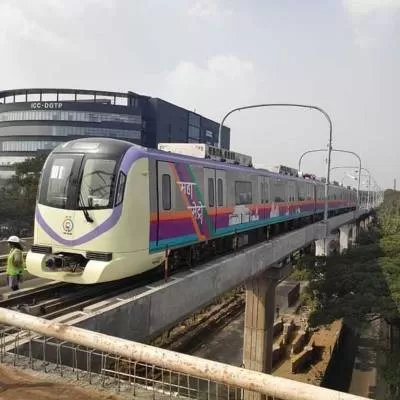
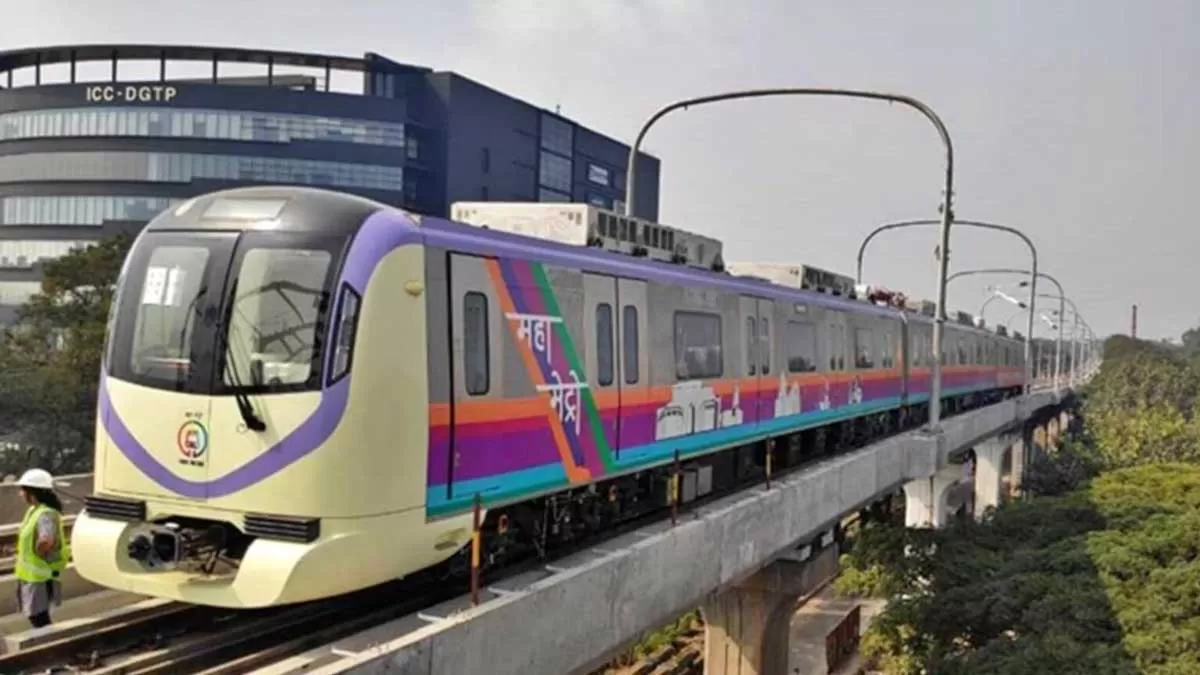
After the Dapodi–Nigdi metro corridor, Pimpri-Chinchwad is set to gain a second metro route connecting Nigdi to Chakan. Acting on directives from the Pimpri-Chinchwad Municipal Corporation (PCMC), MahaMetro has commenced work on preparing the Detailed Project Report (DPR). Once finalised, the DPR will be submitted to the municipal body for approval.
The proposed metro line will extend from Bhakti-Shakti Chowk in Nigdi to Chakan, spanning 42 km. With this addition, nearly 75 per cent of the city will have metro coverage, leaving only a quarter of the region without direct access. Officials highlighted that this will significantly improve public transport in the industrial city, home to more than 3 million residents.
The industrial belt of Pimpri, Chinchwad, Talegaon and Chakan has experienced rapid growth due to rising employment opportunities. To address mounting traffic congestion and commuting challenges, PCMC directed MahaMetro to design the new corridor, which will also cover the southern part of the city and the Bhosari area. Upscale residential and IT hubs such as Wakad and Pimple Saudagar will also be integrated into the network. The DPR is expected to be ready in four to five months, after which government approval will pave the way for construction.
Two major metro junctions will be created at Nashik Phata and Bhakti-Shakti Chowk in Nigdi. Nashik Phata will provide interchange access to Bhosari, Chakan and the Dapodi–Nigdi route, while Bhakti-Shakti Chowk will connect commuters to Ravet, Wakad, Pimple Saudagar, Pimple Gurav and Bhosari.
The planned stations along the 42-km route include Bhakti-Shakti Chowk, Ravet, Mukai Chowk, Pune-Mumbai-Bengaluru Highway, Wakad Bypass, Pimple Saudagar, Pimple Gurav, Nashik Phata, Bhosari, Moshi and Chakan.
Dr Hemant Sonawane, Executive Director of MahaMetro, confirmed that work on the DPR has begun. Once completed, the Nigdi–Chakan metro corridor is expected to transform commuting in Pimpri-Chinchwad, enhancing connectivity for a large section of the population.

After the Dapodi–Nigdi metro corridor, Pimpri-Chinchwad is set to gain a second metro route connecting Nigdi to Chakan. Acting on directives from the Pimpri-Chinchwad Municipal Corporation (PCMC), MahaMetro has commenced work on preparing the Detailed Project Report (DPR). Once finalised, the DPR will be submitted to the municipal body for approval.The proposed metro line will extend from Bhakti-Shakti Chowk in Nigdi to Chakan, spanning 42 km. With this addition, nearly 75 per cent of the city will have metro coverage, leaving only a quarter of the region without direct access. Officials highlighted that this will significantly improve public transport in the industrial city, home to more than 3 million residents.The industrial belt of Pimpri, Chinchwad, Talegaon and Chakan has experienced rapid growth due to rising employment opportunities. To address mounting traffic congestion and commuting challenges, PCMC directed MahaMetro to design the new corridor, which will also cover the southern part of the city and the Bhosari area. Upscale residential and IT hubs such as Wakad and Pimple Saudagar will also be integrated into the network. The DPR is expected to be ready in four to five months, after which government approval will pave the way for construction.Two major metro junctions will be created at Nashik Phata and Bhakti-Shakti Chowk in Nigdi. Nashik Phata will provide interchange access to Bhosari, Chakan and the Dapodi–Nigdi route, while Bhakti-Shakti Chowk will connect commuters to Ravet, Wakad, Pimple Saudagar, Pimple Gurav and Bhosari.The planned stations along the 42-km route include Bhakti-Shakti Chowk, Ravet, Mukai Chowk, Pune-Mumbai-Bengaluru Highway, Wakad Bypass, Pimple Saudagar, Pimple Gurav, Nashik Phata, Bhosari, Moshi and Chakan.Dr Hemant Sonawane, Executive Director of MahaMetro, confirmed that work on the DPR has begun. Once completed, the Nigdi–Chakan metro corridor is expected to transform commuting in Pimpri-Chinchwad, enhancing connectivity for a large section of the population.

Next Story
Infrastructure Energy

Moro Hub and PwC Middle East Partner to Accelerate Smart City Solutions

Moro Hub, a subsidiary of Digital DEWA, the digital arm of Dubai Electricity and Water Authority (DEWA), has announced a strategic collaboration with PwC Middle East to advance Smart City, Integrated Command Centre (ICC), Critical Infrastructure Monitoring and Internet of Things (IoT) initiatives across the region. The partnership brings together Moro Hub’s digital infrastructure and IoT capabilities with PwC’s global expertise in digital trust, smart city strategy and cybersecurity to support the UAE’s vision for intelligent and sustainable cities.“Our collaboration with PwC Middle Ea..

Next Story
Equipment

ABB India Unveils ACS380-E Drive for High-Performance Automation

ABB India has launched the ACS380-E drive, a next-generation machinery drive designed for automation-centric machine building, adding to its all-compatible drive portfolio. The solution simplifies machine integration and is future-proofed for industrial automation with advanced connectivity, faster commissioning and built-in cybersecurity capabilities.The ACS380-E features integrated dual Ethernet ports for plug-and-play communication with all major industrial automation networks, eliminating the need for separate modules and reducing installation complexity. The drive also supports fast USB-C..

Next Story
Building Material

Cement Makers Positive on H2 Demand Outlook

The leading cement producers have posted high single-digit volume growth and better sales realisation in the July–September quarter, setting a positive tone for the second half of FY26. Companies are upbeat on demand prospects, supported by a strong housing sector and continued government spending on major infrastructure projects. UltraTech, Ambuja Cement, Shree Cement, Dalmia Bharat and Nuvoco Vistas recorded revenue growth of up to 18 per cent in the September quarter. The rise was driven by firm realisations, softer input costs and an increased share of premium products. With coal price..

Advertisement

Subscribe to Our Newsletter

Get daily newsletters around different themes from Construction world.

STAY CONNECTED

Advertisement

Advertisement

Advertisement

Advertisement

Open In App