Pune Metro Line 3 Adopts Third-Rail Power System
RAILWAYS & METRO RAIL

Pune Metro Line 3 Adopts Third-Rail Power System

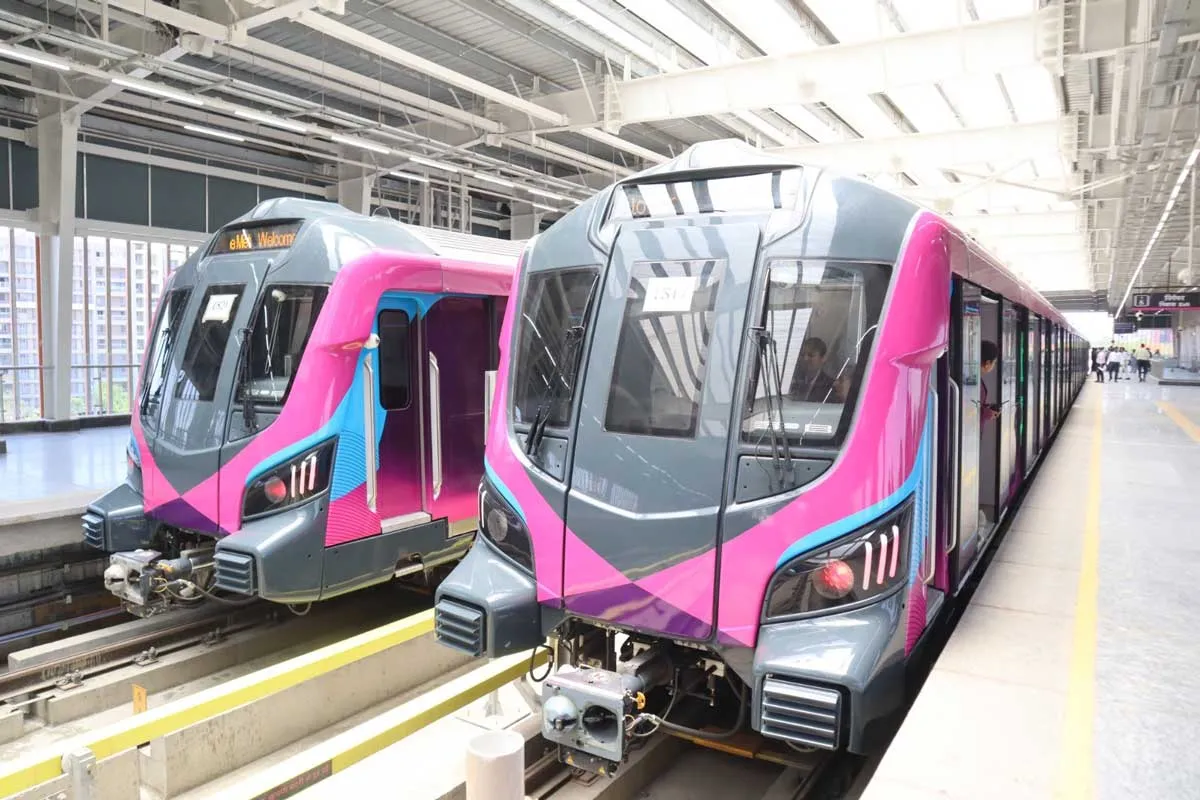
Pune Metro Line 3 is set to introduce a 750-volt DC third-rail electrification system, making Pune part of a select group of Indian cities using the technology for metro operations. The 23-km fully elevated Hinjawadi-Shivajinagar corridor will be the first in the city to deploy the system.

Third-rail technology supplies power through an additional conductor rail installed beside the running tracks. Trains draw electricity through collector shoes mounted beneath them, removing the need for overhead wires and masts. The system is considered suitable for high-frequency urban transit as it reduces visual clutter, lowers maintenance needs and supports reliable operations.

The corridor will connect Hinjawadi’s Rajiv Gandhi Infotech Park with key locations including Wakad, Baner, Balewadi, University Circle and Shivajinagar. The absence of overhead wiring across this busy growth corridor is expected to support cleaner and more integrated urban transport infrastructure.

Metro Line 3 will also use Communications-Based Train Control, an advanced digital signalling system that tracks train location, speed and movement in real time. The technology allows trains to run at shorter intervals while maintaining safety standards.

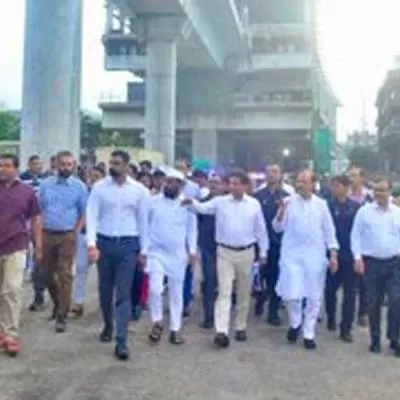
The line has completed end-to-end trial runs and is awaiting statutory approvals and regulatory clearances. The first phase will cover the 13.3-km Maan to R K Laxman Museum section with 12 stations. It will later be extended to District Court for integration with the Maha Metro network.

Once fully operational, Pune Metro Line 3 is expected to reduce travel time between Shivajinagar and Hinjawadi to around 45 minutes from the current 1.5 hours.

Pune Metro Line 3 is set to introduce a 750-volt DC third-rail electrification system, making Pune part of a select group of Indian cities using the technology for metro operations. The 23-km fully elevated Hinjawadi-Shivajinagar corridor will be the first in the city to deploy the system.Third-rail technology supplies power through an additional conductor rail installed beside the running tracks. Trains draw electricity through collector shoes mounted beneath them, removing the need for overhead wires and masts. The system is considered suitable for high-frequency urban transit as it reduces visual clutter, lowers maintenance needs and supports reliable operations.The corridor will connect Hinjawadi’s Rajiv Gandhi Infotech Park with key locations including Wakad, Baner, Balewadi, University Circle and Shivajinagar. The absence of overhead wiring across this busy growth corridor is expected to support cleaner and more integrated urban transport infrastructure.Metro Line 3 will also use Communications-Based Train Control, an advanced digital signalling system that tracks train location, speed and movement in real time. The technology allows trains to run at shorter intervals while maintaining safety standards.The line has completed end-to-end trial runs and is awaiting statutory approvals and regulatory clearances. The first phase will cover the 13.3-km Maan to R K Laxman Museum section with 12 stations. It will later be extended to District Court for integration with the Maha Metro network.Once fully operational, Pune Metro Line 3 is expected to reduce travel time between Shivajinagar and Hinjawadi to around 45 minutes from the current 1.5 hours.

Next Story
Building Material

Saint-Gobain, CEPT partner on sustainable construction

Saint-Gobain and CEPT University have entered into a strategic partnership to establish a Tech Commons Centre aimed at advancing research, innovation and skill development in sustainable and energy-efficient construction.The centre will serve as a platform for building science research, prototyping, industry collaboration and knowledge exchange, bringing together Saint-Gobain's expertise in sustainable construction and CEPT's capabilities in education and research. The collaboration will focus on sustainability, energy efficiency, climate resilience and wellbeing in the built environment.Accor..

Next Story
Building Material

Aludecor launches Stonic ACP surface series

Aludecor Lamination has launched its Stonic aluminium composite panel (ACP) surface series and the second phase of its 'Test Nahi Toh Trust Nahi' campaign as part of its 24th Foundation Day celebrations.Inspired by the natural craquelure patterns found in aged stone, the Stonic series is available in seven finishes and has been developed using the company's Spray Fusion technology. The ACP range is designed for use in façades, feature walls, entranceways, soffits, balcony fascia, ceilings and other commercial, residential and hospitality applications.The company also introduced 'The Fikar-Fre..

Next Story
Real Estate

NABARD, MAHAPREIT partner on rural green infrastructure

NABARD has signed a memorandum of understanding (MoU) with Mahatma Phule Renewable Energy and Infrastructure Technology (MAHAPREIT) to finance and promote green, climate-resilient infrastructure in rural India, with an initial focus on Maharashtra.The partnership will combine NABARD's expertise in rural development and climate finance with MAHAPREIT's experience in renewable energy and sustainable infrastructure. The collaboration will identify, develop and finance projects aimed at strengthening village infrastructure, Panchayati Raj Institutions and other community assets.Priority areas incl..

Advertisement

Subscribe to Our Newsletter

Get daily newsletters around different themes from Construction world.

STAY CONNECTED

Advertisement

Advertisement

Advertisement