+
Water Metro Set For National Push As Centre Weighs Policy And Law
RAILWAYS & METRO RAIL

Water Metro Set For National Push As Centre Weighs Policy And Law

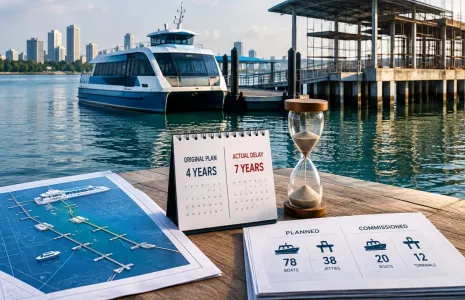
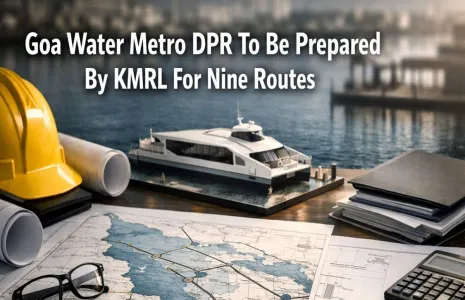
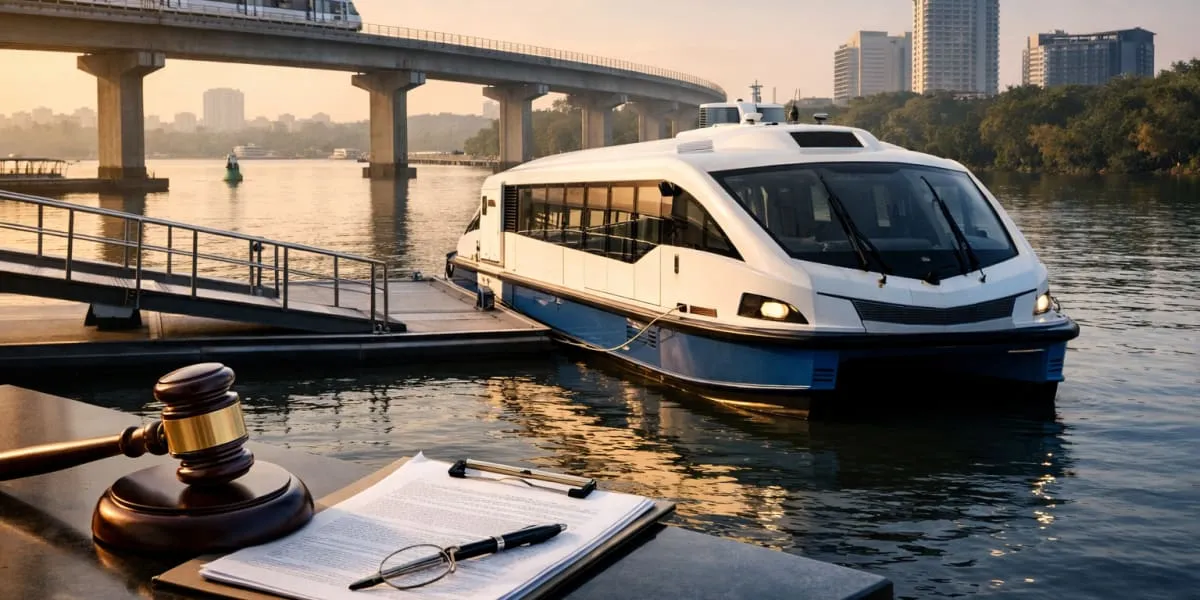
The central government is preparing to scale up water metro systems across Indian cities, with the Kochi Water Metro emerging as the template for a nationwide network aimed at easing urban congestion through cleaner electric water transport. The initiative is being presented as a complement to urban rail and road networks and as a means to harness existing waterways for passenger mobility. Kochi Metro Rail Ltd (KMRL), which operates the service, remains the sole operator of a water metro in the country.

Officials and industry stakeholders say the expansion will require a dedicated national policy and a legal framework akin to the Metro Rail Act to enable standardised regulation, planning and procurement. Loknath Behera, managing director of KMRL, urged a separate Water Metro Act to ensure one policy, one regulatory framework and a single set of operating standards across cities. Policymakers are being advised to consider how licences, safety norms and intermodal integration will be governed under any new law.

Experts highlight that domestic manufacturing capacity for specialised electric passenger boats is currently limited and will need rapid scaling if water metros are to move beyond isolated projects. Cochin Shipyard Ltd supplied the fleet for Kochi, underscoring the concentration of experience in a few firms. Building a manufacturing ecosystem will involve skills development, supply chain localisation and incentives for domestic yards to produce standardised vessels.

The ministry is weighing policy options that could include procurement guidelines, technical standards and incentive schemes to foster local production and operations. Municipalities with navigable waterways are likely to be early candidates for replication, provided regulatory clarity and funding models are in place. Observers say the long term success of a national roll out will depend on coordinated planning, industry capacity and a legal framework that balances safety, affordability and scalability.

The central government is preparing to scale up water metro systems across Indian cities, with the Kochi Water Metro emerging as the template for a nationwide network aimed at easing urban congestion through cleaner electric water transport. The initiative is being presented as a complement to urban rail and road networks and as a means to harness existing waterways for passenger mobility. Kochi Metro Rail Ltd (KMRL), which operates the service, remains the sole operator of a water metro in the country. Officials and industry stakeholders say the expansion will require a dedicated national policy and a legal framework akin to the Metro Rail Act to enable standardised regulation, planning and procurement. Loknath Behera, managing director of KMRL, urged a separate Water Metro Act to ensure one policy, one regulatory framework and a single set of operating standards across cities. Policymakers are being advised to consider how licences, safety norms and intermodal integration will be governed under any new law. Experts highlight that domestic manufacturing capacity for specialised electric passenger boats is currently limited and will need rapid scaling if water metros are to move beyond isolated projects. Cochin Shipyard Ltd supplied the fleet for Kochi, underscoring the concentration of experience in a few firms. Building a manufacturing ecosystem will involve skills development, supply chain localisation and incentives for domestic yards to produce standardised vessels. The ministry is weighing policy options that could include procurement guidelines, technical standards and incentive schemes to foster local production and operations. Municipalities with navigable waterways are likely to be early candidates for replication, provided regulatory clarity and funding models are in place. Observers say the long term success of a national roll out will depend on coordinated planning, industry capacity and a legal framework that balances safety, affordability and scalability.

Related Stories

Gold Stories

Next Story
Building Material

Hard Worker Wins Three Honours at Kyoorius Design Awards

The Ramco Cements Limited’s construction chemicals brand, Hard Worker, has won three honours at the Kyoorius Design Awards 2026, including the Grand Prix – Grey Elephant in the Design in Action category.The brand also secured two Blue Elephant honours, one for Design in Action and another for Packaging, recognising the design approach behind its brand identity and packaging.Launched in 2025, Hard Worker entered the construction chemicals segment with the brand promise, “Hard-working products for hardworking people.” Its visual identity uses animals and birds to represent product benefi..

Next Story
Infrastructure Transport

Kopri-Patni Creek Bridge to Improve Thane-Navi Mumbai Connectivity

Road connectivity between Thane and Navi Mumbai is set to receive a boost with the proposed six-lane Kopri-Patni Creek Bridge, which will provide a new route across Thane Creek. The project is intended to create a direct link between the two urban centres and add capacity to the region’s road network. The bridge will connect Kopri in Thane East with Patni in Navi Mumbai. It will begin at Mith Bandar Road in Kopri, about 750 metres from Thane railway station, cross Thane Creek and land near Airoli Knowledge City Road in Navi Mumbai. The project has advanced with Akshya Infra Projects emerging..

Next Story
Infrastructure Urban

Bengaluru Cuts Unaccounted-for Water to 26.5 Per Cent

The Bengaluru Water Supply and Sewerage Board (BWSSB) has reduced unaccounted-for water from nearly 51 per cent in 2013 to 26.5 per cent in 2025, improving efficiency across a metropolitan region of 14 mn people. The reduction has saved nearly 200 mn litres of water a day without requiring equivalent additional capacity. Bengaluru depends primarily on the Cauvery river system, with water transported over 100 km to the city. BWSSB operates six major treatment plants with combined installed capacity of 2,293 MLD and supplies nearly 150 litres per person per day. The Cauvery Water Supply Scheme S..

Advertisement

Subscribe to Our Newsletter

Get daily newsletters around different themes from Construction world.

STAY CONNECTED

Advertisement

SPECIAL OFFER
QR Code