Development Of Green Ports And Maritime Infrastructure
PORTS & SHIPPING

Development Of Green Ports And Maritime Infrastructure

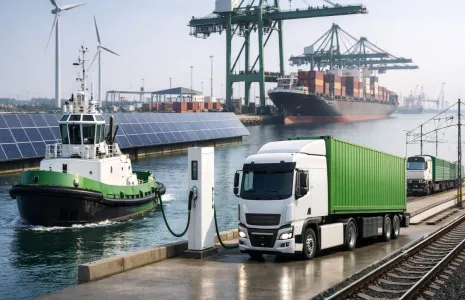
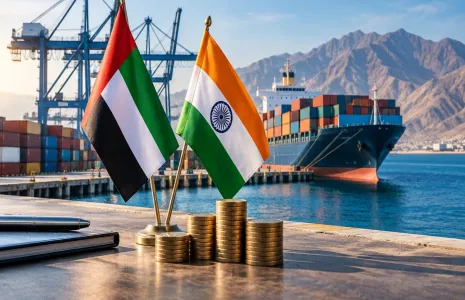
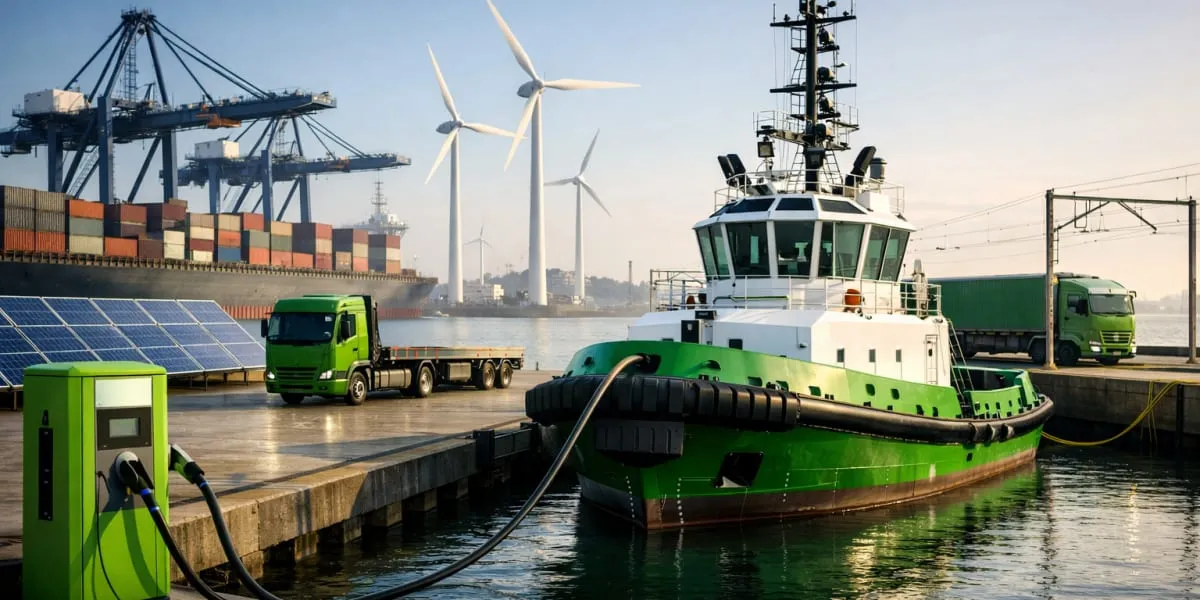
The Ministry of Ports, Shipping and Waterways (MPSW) has undertaken a range of measures to decarbonise port operations under Maritime India Vision 2030 (MIV 2030). Initiatives include the Green Tug Transition Programme (GTTP) to replace diesel-powered tugs with electric and hybrid tugs, adoption of renewable energy, electrification of port equipment, vehicles and railway tracks, deployment of zero-emission trucks and installation of Onshore Power Supply systems (OPS). The approach aims to lower emissions while modernising infrastructure.

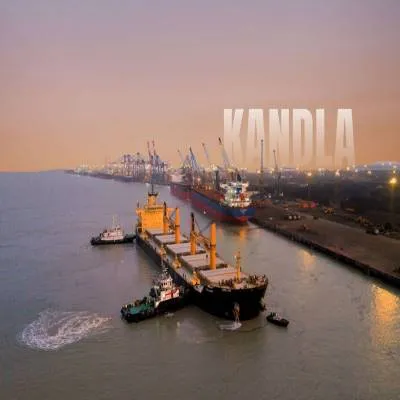
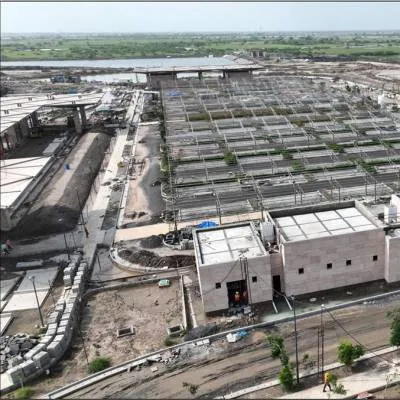
The Ministry of New and Renewable Energy (MNRE) has recognised three Major Ports as Green Hydrogen Hubs: Deendayal Port Authority in Gujarat, Paradip Port Authority in Odisha and V.O. Chidambaranar Port Authority in Tamil Nadu. Major Ports remain under central administrative control while other ports are managed by state governments and fall under state jurisdiction. Coordination between central and state authorities is being emphasised to ensure consistent adoption of green measures.

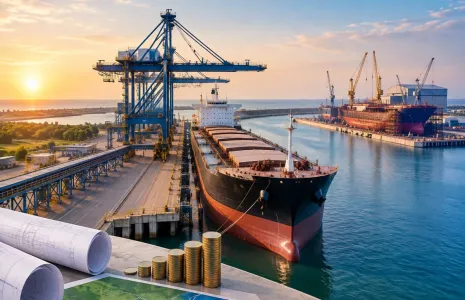
Around 180 projects were approved for Major Ports development during FY 2023-24 to FY 2024-25 covering port modernisation, coastal shipping and green port initiatives. MIV 2030 sets performance targets for the port sector by 2030, including a more than 60 per cent share of renewable energy consumption at ports, electrification of 50 per cent of port equipment and allocation of 20 per cent of area as green belt. The plan also targets a 30 per cent reduction in carbon dioxide emissions per tonne (t) of cargo and a 20 per cent reduction in fresh-water consumption per tonne of cargo.

The minister provided the information in a written reply to the Lok Sabha and outlined that these targets are intended to improve energy efficiency and support India's broader climate objectives. Implementation is expected to combine infrastructure investment, policy measures and port level adoption of renewable technologies to meet the MIV 2030 benchmarks. Progress will be tracked through the ministry's monitoring mechanisms.

"Join industry leaders at RAHSTA Expo, India's premier platform for roads, highways and traffic infrastructure. Register now to explore innovations, network with experts and shape the future of mobility."

The Ministry of Ports, Shipping and Waterways (MPSW) has undertaken a range of measures to decarbonise port operations under Maritime India Vision 2030 (MIV 2030). Initiatives include the Green Tug Transition Programme (GTTP) to replace diesel-powered tugs with electric and hybrid tugs, adoption of renewable energy, electrification of port equipment, vehicles and railway tracks, deployment of zero-emission trucks and installation of Onshore Power Supply systems (OPS). The approach aims to lower emissions while modernising infrastructure. The Ministry of New and Renewable Energy (MNRE) has recognised three Major Ports as Green Hydrogen Hubs: Deendayal Port Authority in Gujarat, Paradip Port Authority in Odisha and V.O. Chidambaranar Port Authority in Tamil Nadu. Major Ports remain under central administrative control while other ports are managed by state governments and fall under state jurisdiction. Coordination between central and state authorities is being emphasised to ensure consistent adoption of green measures. Around 180 projects were approved for Major Ports development during FY 2023-24 to FY 2024-25 covering port modernisation, coastal shipping and green port initiatives. MIV 2030 sets performance targets for the port sector by 2030, including a more than 60 per cent share of renewable energy consumption at ports, electrification of 50 per cent of port equipment and allocation of 20 per cent of area as green belt. The plan also targets a 30 per cent reduction in carbon dioxide emissions per tonne (t) of cargo and a 20 per cent reduction in fresh-water consumption per tonne of cargo. The minister provided the information in a written reply to the Lok Sabha and outlined that these targets are intended to improve energy efficiency and support India's broader climate objectives. Implementation is expected to combine infrastructure investment, policy measures and port level adoption of renewable technologies to meet the MIV 2030 benchmarks. Progress will be tracked through the ministry's monitoring mechanisms.

Next Story
Infrastructure Urban

ABS Marine Sees CRISIL Credit Rating Upgrade

ABS Marine Services has secured an upgrade to its long term and short term credit ratings from CRISIL, reflecting improved profitability and revenue growth through long term contracts. CRISIL moved the long term rating from BBB+/Stable to A-/Stable and revised the short term rating from A2 to A2+. The action signals strengthened financial metrics and operational resilience. The company benefited from durable client relationships with firms such as ONGC and Schlumberger. The rating decision followed stronger cash flows and an enlarged bank loan facility, which increased from Rs 3,705 million (m..

Next Story
Infrastructure Transport

Project BRAHMANK Marks 16 Years Of Strategic Roads In Arunachal

Project BRAHMANK is marking 16 years of work to establish strategic road and bridge links across Arunachal Pradesh, maintaining and developing 811 kilometres of roads and nearly 86 bridges that range from small culverts to large steel and arch bridges. These transport links are described as critical for ensuring year-round movement of defence personnel, equipment and essential supplies while improving everyday travel for people in remote villages. The project balances national security requirements with regional development by focusing on reliable access in challenging terrain. Notable enginee..

Next Story
Infrastructure Transport

Longleng CSOs Give One Week Ultimatum Over Two-Lane Highway

Civil society organisations (CSOs) in Longleng district have demanded immediate restoration of the deteriorating Changtongya–Longleng two-lane road and sought a detailed status report on the stalled construction within one week. The demand followed a consultative meeting convened under the Phom Peoples' Council (PPC) to discuss welfare and development concerns. PPC president YB Angam Phom said prolonged non-maintenance had caused hardship to commuters and affected transportation, local commerce and the district's development. The meeting urged authorities to undertake immediate restoration a..

Advertisement

Subscribe to Our Newsletter

Get daily newsletters around different themes from Construction world.

STAY CONNECTED

Advertisement

Advertisement

Advertisement