Warehousing rents in Mumbai, Bengaluru, NCR up 7.2% in FY'22
WAREHOUSING & LOGISTICS

Warehousing rents in Mumbai, Bengaluru, NCR up 7.2% in FY'22

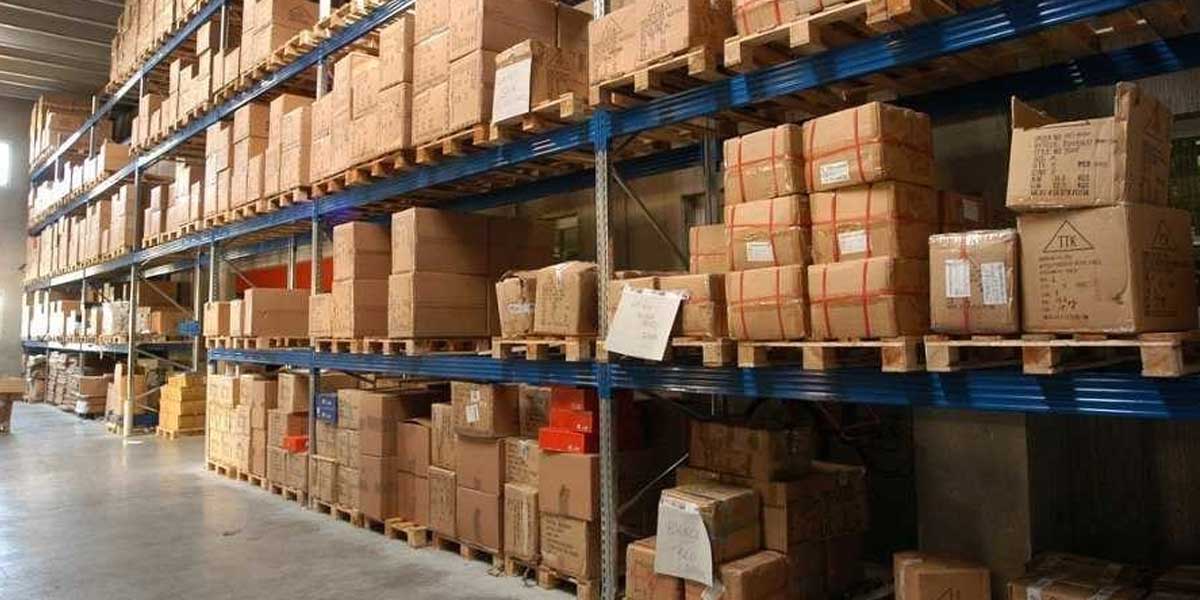
Warehousing rents in Mumbai, Bengaluru and Delhi-NCR rose by an average 7.2 per cent during the last fiscal on higher demand from third party logistics, ecommerce and manufacturing sectors.

Knight Frank in its Asia-Pacific Logistics Highlights H1 2022’ report said Mumbai saw an annual growth of 9.3 per cent in prime warehousing rents to Rs 265 per square foot per year in the last fiscal, from Rs 243 per sq ft in the previous year.

Warehousing rent in Bengaluru rose 6.4 per cent to Rs 240 per sq ft per year, while in Delhi-NCR it increased by 5.9 per cent to Rs 227.40.

On a 12-month outlook basis, the consultant said the prime logistic rents across Mumbai, Bengaluru and Delhi-NCR are expected to increase on the back of sustained demand from third party logistics, e-commerce and manufacturing sectors.

Shishir Baijal, chairman and managing director, Knight Frank India, said, "Rents for warehouses in India witnessed a substantial growth, signifying resiliency despite supply chain disruptions globally and a slow-down in demand from ecommerce players."

In the second half of 2022, he said the 3PL (third party logistics) players and the manufacturing industry are expected to drive space take-up, while ecommerce players resume expansion plans.

"With the robust growth seen in rents, market balance has tilted in favour of the landlord. The Indian warehouse market, with resilient fundamentals, is poised for sustained growth despite inflationary pressures," Baijal added.

The report tracked prime logistics rents across 17 key APAC cities, which registered an average rise of 3 per cent year-on-year, propelled by Australia, New Zealand, India and Singapore. In H1 2022, all of the 17 cities recorded stable or rising rents in prime warehouse and logistics markets.

See also:
Rhenus Logistics upgrades warehouse facility in India
Allcargo Q1 PAT rises over two-fold to Rs 2.8 billion


Warehousing rents in Mumbai, Bengaluru and Delhi-NCR rose by an average 7.2 per cent during the last fiscal on higher demand from third party logistics, ecommerce and manufacturing sectors. Knight Frank in its Asia-Pacific Logistics Highlights H1 2022’ report said Mumbai saw an annual growth of 9.3 per cent in prime warehousing rents to Rs 265 per square foot per year in the last fiscal, from Rs 243 per sq ft in the previous year. Warehousing rent in Bengaluru rose 6.4 per cent to Rs 240 per sq ft per year, while in Delhi-NCR it increased by 5.9 per cent to Rs 227.40. On a 12-month outlook basis, the consultant said the prime logistic rents across Mumbai, Bengaluru and Delhi-NCR are expected to increase on the back of sustained demand from third party logistics, e-commerce and manufacturing sectors. Shishir Baijal, chairman and managing director, Knight Frank India, said, Rents for warehouses in India witnessed a substantial growth, signifying resiliency despite supply chain disruptions globally and a slow-down in demand from ecommerce players. In the second half of 2022, he said the 3PL (third party logistics) players and the manufacturing industry are expected to drive space take-up, while ecommerce players resume expansion plans. With the robust growth seen in rents, market balance has tilted in favour of the landlord. The Indian warehouse market, with resilient fundamentals, is poised for sustained growth despite inflationary pressures, Baijal added. The report tracked prime logistics rents across 17 key APAC cities, which registered an average rise of 3 per cent year-on-year, propelled by Australia, New Zealand, India and Singapore. In H1 2022, all of the 17 cities recorded stable or rising rents in prime warehouse and logistics markets. See also: Rhenus Logistics upgrades warehouse facility in IndiaAllcargo Q1 PAT rises over two-fold to Rs 2.8 billion

Next Story
Infrastructure Transport

Kavach 4.0 Commissioned on Delhi–Mumbai and Delhi–Howrah

"Kavach version four has been commissioned on 1,452 route km, covering the high density Delhi–Mumbai and Delhi–Howrah corridors. The rollout included laying 8,570 km of optical fibre, installation of 1,100 telecom towers, deployment of trackside equipment over 6,776 RKm and establishment of 767 station data centres. Trackside implementation has been taken up on 24,427 RKm covering Golden Quadrilateral, Golden Diagonal and High Density Network sections. The programme aims to strengthen signalling and train protection on key routes.Kavach is an indigenously developed automatic train protecti..

Next Story
Infrastructure Transport

Railways Advance Kalyan–Murbad Line And Mumbai Capacity Expansion

"Indian Railways is advancing multiple rail infrastructure projects in Maharashtra, including the sanctioned Kalyan–Murbad new line and sizable investments under the Mumbai Urban Transport Project and the Mumbai–Ahmedabad High Speed Rail project. The Kalyan–Murbad 28 km new line has been sanctioned at Rs 8.36 billion (bn) on a 50:50 cost-sharing basis with the Government of Maharashtra and has been declared a Special Railway Project for land acquisition; proposals covering 214 hectares are at various stages of acquisition. Budgetary outlay for projects falling fully or partly in Maharash..

Next Story
Infrastructure Urban

Parliamentary Panel Flags Funding Gaps in Heavy Industries

"The Department-Related Parliamentary Standing Committee on Industry (Rajya Sabha) presented its 332nd report on the Demands for Grants 2026-27 of the Ministry of Heavy Industries (MHI). Figures converted from crore and lakh are expressed in million (mn). The Budget Estimates 2026-27 for the Ministry stand at Rs 79,399 mn against a projected requirement of Rs 94,843.2 mn, a shortfall of about 16 per cent, with revenue at Rs 79,370.8 mn and capital compressed to Rs 28.2 mn from Rs 5,020 mn.The committee flagged recurring BE-to-RE compression and declining revised estimate utilisation, and calle..

Advertisement

Subscribe to Our Newsletter

Get daily newsletters around different themes from Construction world.

STAY CONNECTED

Advertisement

Advertisement

Advertisement