



+
HPCL to Start Barmer Refinery Operations by January-End
OIL & GAS

HPCL to Start Barmer Refinery Operations by January-End

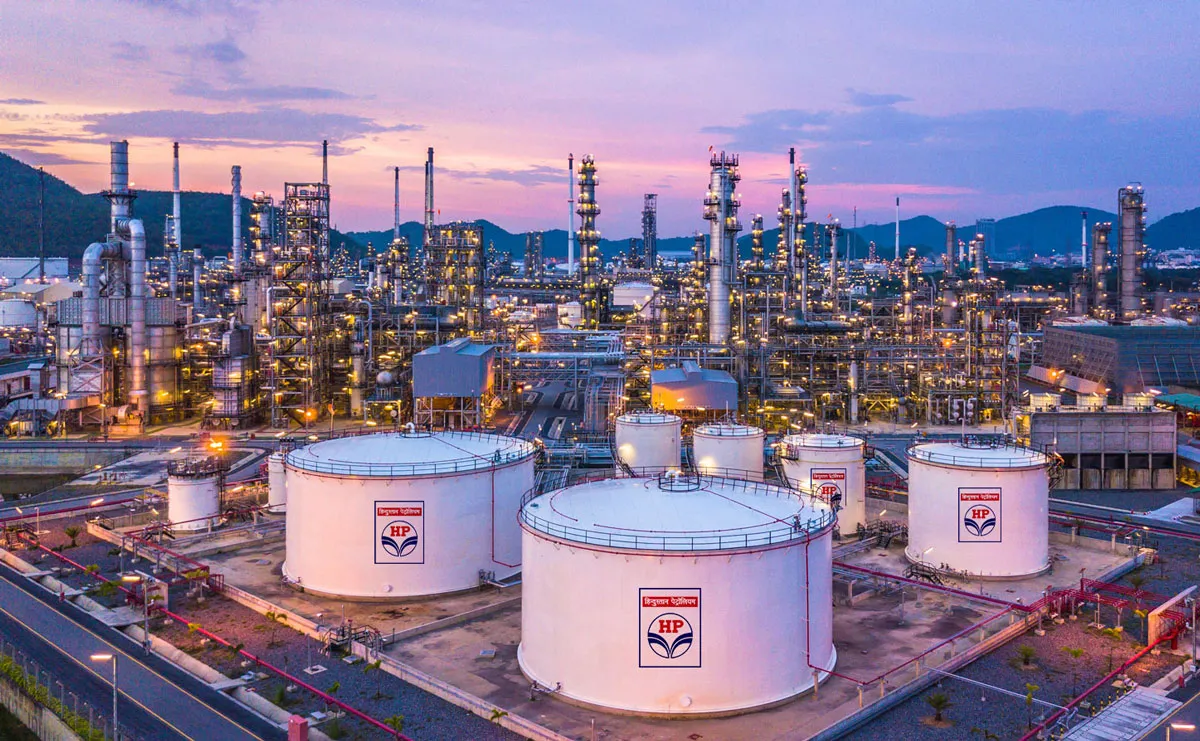
Hindustan Petroleum Corporation Limited is set to begin crude processing at its 180,000 barrels per day Barmer refinery in Rajasthan by the end of January 2026, marking a major expansion of its refining footprint.

The commissioning of the Barmer refinery will significantly strengthen HPCL’s refining capacity and position it as the second-largest state-run refiner in India. With the new facility coming on stream, HPCL will surpass Bharat Petroleum Corporation Limited, which currently operates refineries with a combined capacity of 706,000 barrels per day.

HPCL currently operates a 190,000 barrels per day refinery in Mumbai and a 300,000 barrels per day facility in Visakhapatnam. In addition, the company holds a 48.99 per cent stake in HPCL-Mittal Energy Limited, which operates a 226,000 barrels per day refinery in Bathinda.

In preparation for the start of operations, HPCL has received crude shipments from multiple international sources, including Azerbaijan, Libya, Angola and Nigeria. The Barmer refinery is expected to further enhance HPCL’s presence in the domestic and international oil markets, while supporting India’s growing energy demand.

Hindustan Petroleum Corporation Limited is set to begin crude processing at its 180,000 barrels per day Barmer refinery in Rajasthan by the end of January 2026, marking a major expansion of its refining footprint. The commissioning of the Barmer refinery will significantly strengthen HPCL’s refining capacity and position it as the second-largest state-run refiner in India. With the new facility coming on stream, HPCL will surpass Bharat Petroleum Corporation Limited, which currently operates refineries with a combined capacity of 706,000 barrels per day. HPCL currently operates a 190,000 barrels per day refinery in Mumbai and a 300,000 barrels per day facility in Visakhapatnam. In addition, the company holds a 48.99 per cent stake in HPCL-Mittal Energy Limited, which operates a 226,000 barrels per day refinery in Bathinda. In preparation for the start of operations, HPCL has received crude shipments from multiple international sources, including Azerbaijan, Libya, Angola and Nigeria. The Barmer refinery is expected to further enhance HPCL’s presence in the domestic and international oil markets, while supporting India’s growing energy demand.

Next Story
Infrastructure Urban

Implementation Status of Jal Jeevan Mission

Since August 2019 the Government has implemented Jal Jeevan Mission to provide assured potable water through household tap connections in rural India. At the start of the mission only 32.3 million (mn) rural households, representing 16.7 per cent, were reported to have tap water connections. States and union territories have reported that 125.8 mn additional rural households have since been provided with tap connections. As a result, of about 193.6 mn rural households roughly 158.2 mn, or 81.71 per cent, are reported to have tap water supply at home.\n\nThe State, district and village level st..

Next Story
Infrastructure Urban

Jal Jeevan Mission Reaches Eighty One Per Cent Rural Coverage

The Government reported substantial progress under the Jal Jeevan Mission, launched in August 2019 to provide tap water to every rural household. At launch only 32.3 million (mn) rural households had tap connections and states and Union territories reported provision of 125.8 mn additional households by March 2026. Consequently, out of about 193.6 mn rural households around 158.2 mn, or 81.71 per cent, are reported to have tap water at home. The Finance Minister announced extension of the mission until 2028 in the 2025-26 budget speech. The Swachh Bharat Mission Grameen, launched in October 20..

Next Story
Infrastructure Urban

Empowering Local Governance for Sustainable Rural Water Supply

The Ministry of Jal Shakti has aligned the Jal Jeevan Mission (JJM) with the 73rd Amendment to strengthen village level planning and community ownership of water supply. Gram Panchayats, village water and sanitation committees and Pani Samitis are to plan, implement, manage and maintain piped water systems, with gram sabha processes formalising handover and oversight. Implementation support agencies including non government organisations, community based organisations and self help groups have been empanelled to train local committees and promote women participation. Under JJM, the department ..

Advertisement

Subscribe to Our Newsletter

Get daily newsletters around different themes from Construction world.

STAY CONNECTED

Advertisement

Advertisement

Advertisement