


Indian Refiners Hesitate Over Iranian Oil After US Waiver
OIL & GAS

Indian Refiners Hesitate Over Iranian Oil After US Waiver

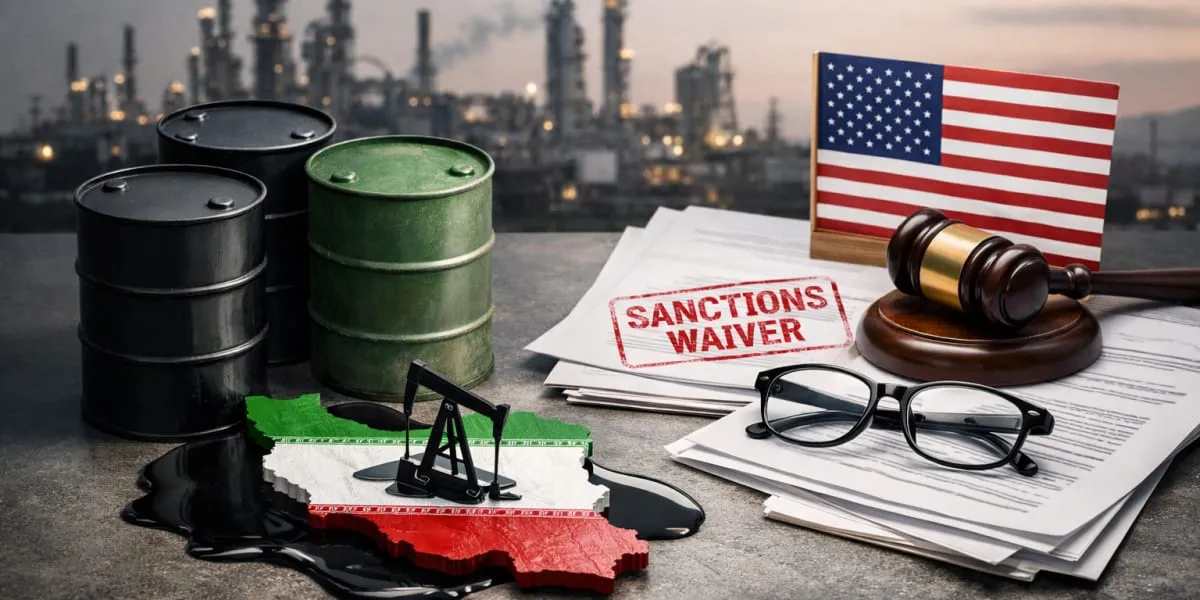
An analyst said Indian refiners were unlikely to rush to buy crude from Iran despite a temporary sanctions waiver issued by the United States (US). The analyst argued that the waiver offered a narrow window and that buyers would weigh compliance and practical hurdles before altering procurement, and to avoid reputational and legal risks. Market participants were said to be assessing the waiver cautiously. The announcement prompted market watchers to revisit supply dynamics in the region.

Key considerations included contractual obligations to long term suppliers, challenges related to payments and insurance, and logistical constraints such as shipping and storage. Refiners were also mindful of regulatory scrutiny and the need to maintain steady refinery operations without disruption and to preserve investor confidence. The analyst noted that adjustments to crude slates take time and careful planning. Analysts said firms would prioritise continuity of operations over short term opportunism.

Many refiners preferred to exhaust existing inventories and adhere to established supply chains rather than pivot rapidly in response to a temporary policy change. The cost and complexity of integrating a new crude grade were cited as deterrents, along with the absence of an immediate commercial imperative and uncertainties around blending. Contractual penalties and quality considerations were likely to discourage hasty moves. Some companies might consider selective purchases where commercial terms were attractive, but widespread or rapid buying was viewed as unlikely.

The immediate market impact was expected to be limited with any change in flows unfolding gradually as buyers and sellers negotiated terms and as freight and insurance arrangements adjusted. The analyst suggested that diplomatic developments and the availability of reliable payment channels would be important determinants of any future shift. Traders and logistics providers were expected to view any uptick cautiously. Overall, the response from Indian refiners was portrayed as measured and cautious.

"Join industry leaders at RAHSTA Expo, India's premier platform for roads, highways and traffic infrastructure. Register now to explore innovations, network with experts and shape the future of mobility."

An analyst said Indian refiners were unlikely to rush to buy crude from Iran despite a temporary sanctions waiver issued by the United States (US). The analyst argued that the waiver offered a narrow window and that buyers would weigh compliance and practical hurdles before altering procurement, and to avoid reputational and legal risks. Market participants were said to be assessing the waiver cautiously. The announcement prompted market watchers to revisit supply dynamics in the region. Key considerations included contractual obligations to long term suppliers, challenges related to payments and insurance, and logistical constraints such as shipping and storage. Refiners were also mindful of regulatory scrutiny and the need to maintain steady refinery operations without disruption and to preserve investor confidence. The analyst noted that adjustments to crude slates take time and careful planning. Analysts said firms would prioritise continuity of operations over short term opportunism. Many refiners preferred to exhaust existing inventories and adhere to established supply chains rather than pivot rapidly in response to a temporary policy change. The cost and complexity of integrating a new crude grade were cited as deterrents, along with the absence of an immediate commercial imperative and uncertainties around blending. Contractual penalties and quality considerations were likely to discourage hasty moves. Some companies might consider selective purchases where commercial terms were attractive, but widespread or rapid buying was viewed as unlikely. The immediate market impact was expected to be limited with any change in flows unfolding gradually as buyers and sellers negotiated terms and as freight and insurance arrangements adjusted. The analyst suggested that diplomatic developments and the availability of reliable payment channels would be important determinants of any future shift. Traders and logistics providers were expected to view any uptick cautiously. Overall, the response from Indian refiners was portrayed as measured and cautious.

Next Story
Infrastructure Urban

Nagaland Signs MoU With T-Works To Boost MSMEs

Nagaland marked Micro, Small and Medium Enterprises (MSMEs) Day by launching Naturally Nagaland and signing an MoU with T-Works to bolster the entrepreneurial ecosystem. Advisor Hekani Jakhalu launched the initiative at the Industries & Commerce directorate in Kohima and the MoU was signed by the director of Industries and Commerce and the chief executive officer of T-Works. The agreement is intended to strengthen innovation, product development and prototyping support across the state. Jakhalu said 52,801 enterprises were registered on Udyam as of June 25, 2026, about 4,000 more than three mo..

Next Story
Infrastructure Urban

Tiruchy MSME Engineering Units Seek Revival Package

The Tamil Nadu Boilers Association has urged the state chief minister to announce a comprehensive revival package for stressed micro, small and medium enterprises (MSME) engineering units, citing years of recession, the impact of the Covid-19 pandemic, mounting debt burdens and delayed payments from customers. In a letter sent last week the association sought a range of measures to reboot local industry and restore employment and production levels. It said the proposal aimed to bring closed units back into operation and to ease financial bottlenecks that have constrained growth. The measures r..

Next Story
Infrastructure Energy

Delhi And Tehran Explore Energy Cooperation As US Sanctions Ease

India and Iran have agreed to explore cooperation in the oil and gas sector after a temporary US sanctions waiver opened access for Iranian crude to global markets. The understanding was reached on the sidelines of the 11th BRICS Energy Ministers' Meeting in Gurugram where officials discussed bilateral engagement. The talks were framed as part of efforts to strengthen energy ties and address security concerns. Union Minister for Petroleum and Natural Gas Hardeep Singh Puri met his Iranian counterpart Mohsen Paknejad and conveyed that India remained committed to enhancing energy security throug..

Advertisement

Subscribe to Our Newsletter

Get daily newsletters around different themes from Construction world.

STAY CONNECTED

Advertisement

Advertisement

Advertisement