+
CERC Approves Tariff For Power Grid Rajasthan Solar Evacuation Asset
POWER & RENEWABLE ENERGY

CERC Approves Tariff For Power Grid Rajasthan Solar Evacuation Asset

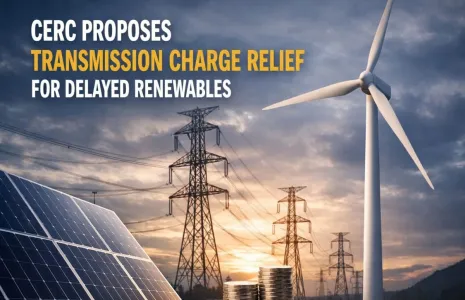
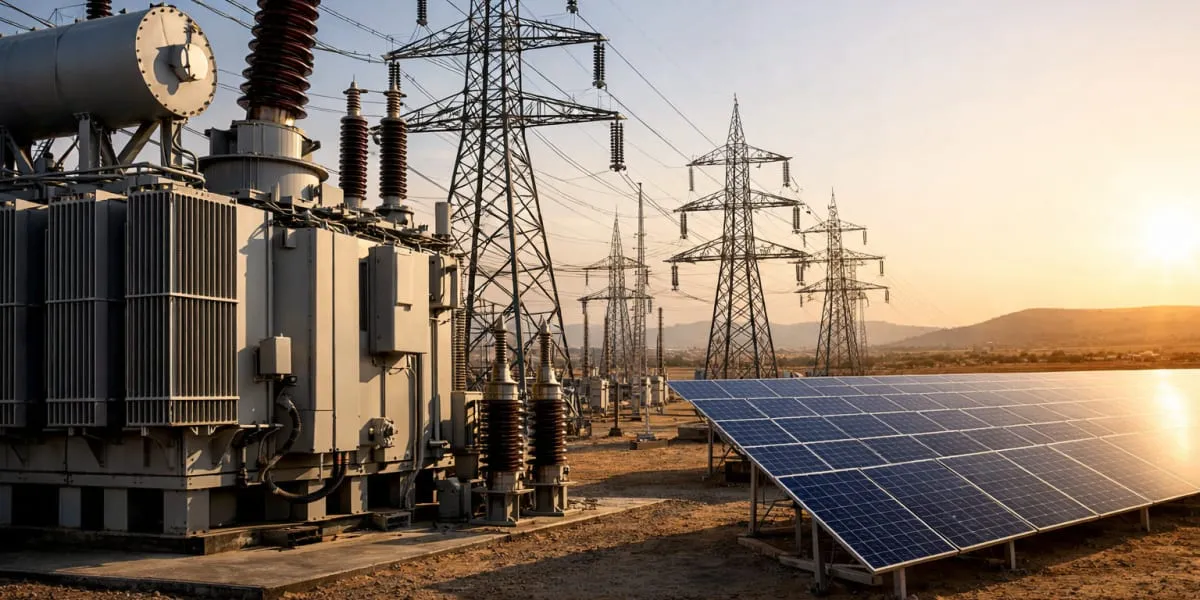
The Central Electricity Regulatory Commission issued an order determining annual fixed charges for Power Grid Corporation of India Limited for a transmission asset to evacuate renewable power from Solar Energy Zones in Rajasthan. The order covers Phase?II Part?A1, intended to support the evacuation of eight point one GW of solar generation. The principal work was augmentation of the Fatehgarh?II Pooling Station with a 1,500 MVA, 765/400 kV transformer and associated bays; the asset achieved commercial operation on first August 2024 and the tariff has been fixed for the 2024–29 period.

Commission records show commissioning was delayed by 790 days beyond the revised scheduled commercial operation date of third June 2022. Power Grid attributed the delay mainly to the second wave of the COVID?19 pandemic with labour shortages, demobilisation, supply chain disruptions and lockdown restrictions, and the Central Transmission Utility of India Limited (CTUIL) had sought deferral over environmental and operational concerns including the habitat of the Great Indian Bustard. After review CERC condoned 758 days, disallowed 32 days and ordered pro?rata reductions in interest during construction and incidental expenditure during construction for the disallowed period.

The project was initially estimated to cost Rs 688.8 million (mn) and the revised completion cost rose to Rs 1.0644 billion (bn), but CERC found the final expenditure remained within the approved revised cost estimate with no unapproved overrun. The increase was attributed mainly to higher market prices for substation equipment, elevated interest costs from the extended construction period and additional incidental expenses. For tariff purposes the Commission approved a capital cost of Rs 885.7 million (mn) on the commercial operation date after deductions for disallowed interest, undischarged liabilities and unapproved incidental expenditure.

CERC also approved additional capital expenditure of Rs 174.2 million (mn) during 2024–29 for balance and retention payments and deferred works within the original project scope. The tariff was computed on a prescribed 70:30 debt?to?equity ratio and the Commission reviewed working capital and initial spares in accordance with regulatory limits. Power Grid is permitted to recover the approved annual fixed charges from concerned regional distribution licensees and other beneficiaries using the transmission system to facilitate evacuation of the linked renewable projects.

The Central Electricity Regulatory Commission issued an order determining annual fixed charges for Power Grid Corporation of India Limited for a transmission asset to evacuate renewable power from Solar Energy Zones in Rajasthan. The order covers Phase?II Part?A1, intended to support the evacuation of eight point one GW of solar generation. The principal work was augmentation of the Fatehgarh?II Pooling Station with a 1,500 MVA, 765/400 kV transformer and associated bays; the asset achieved commercial operation on first August 2024 and the tariff has been fixed for the 2024–29 period. Commission records show commissioning was delayed by 790 days beyond the revised scheduled commercial operation date of third June 2022. Power Grid attributed the delay mainly to the second wave of the COVID?19 pandemic with labour shortages, demobilisation, supply chain disruptions and lockdown restrictions, and the Central Transmission Utility of India Limited (CTUIL) had sought deferral over environmental and operational concerns including the habitat of the Great Indian Bustard. After review CERC condoned 758 days, disallowed 32 days and ordered pro?rata reductions in interest during construction and incidental expenditure during construction for the disallowed period. The project was initially estimated to cost Rs 688.8 million (mn) and the revised completion cost rose to Rs 1.0644 billion (bn), but CERC found the final expenditure remained within the approved revised cost estimate with no unapproved overrun. The increase was attributed mainly to higher market prices for substation equipment, elevated interest costs from the extended construction period and additional incidental expenses. For tariff purposes the Commission approved a capital cost of Rs 885.7 million (mn) on the commercial operation date after deductions for disallowed interest, undischarged liabilities and unapproved incidental expenditure. CERC also approved additional capital expenditure of Rs 174.2 million (mn) during 2024–29 for balance and retention payments and deferred works within the original project scope. The tariff was computed on a prescribed 70:30 debt?to?equity ratio and the Commission reviewed working capital and initial spares in accordance with regulatory limits. Power Grid is permitted to recover the approved annual fixed charges from concerned regional distribution licensees and other beneficiaries using the transmission system to facilitate evacuation of the linked renewable projects.

Related Stories

Gold Stories

Next Story
Infrastructure Energy

Alternative Fuels Overtake Petrol As August Retail Peaks

The Indian automobile industry recorded its best-ever August retail as alternative fuels such as compressed natural gas, hybrid and electric vehicles combined overtook petrol in the passenger vehicle segment for the first time. The shift coincided with oil price rises linked to the war in the Middle East and a cooled public response to higher ethanol content in petrol. Dealers attributed stronger demand to lower running costs and concerns over the E20 petrol transition. Data released by the Federation of Automobile Dealers Associations (FADA) showed total vehicle retail registrations in August..

Next Story
Infrastructure Urban

Singapore Minister Defends SIA Investment In Air India

Singapore government defended Singapore Airlines' investment in Air India after two weeks of public scrutiny over a funding request, saying the flag carrier must expand overseas and that outcomes are for the company and its shareholders to judge. The remarks in parliament followed reports that Air India had sought about US$1.5 billion (US$1.5 bn) of fresh equity from owners Tata Sons and Singapore Airlines. The issue drew attention because Singapore Airlines is majority-owned by Temasek and raised questions about Temasek's role. Officials framed the matter as a commercial decision rather than ..

Next Story
Infrastructure Transport

IndiGo To Begin Guwahati Bangkok Flights

IndiGo will launch non-stop flights between Guwahati and Bangkok from 27 October 2026, marking the carrier's first international operations from the city. A special inaugural service will operate on 27 October, with regular twice a week flights scheduled from 31 October on Wednesdays and Saturdays, subject to regulatory approvals. The new link will provide direct connectivity between Northeast India and Thailand and expand the airline's India–Thailand network. The inaugural Bangkok to Guwahati sector, flight 6E1086, is scheduled to depart Bangkok at 8:50 am and arrive in Guwahati at 10:25 am..

Advertisement

Subscribe to Our Newsletter

Get daily newsletters around different themes from Construction world.

STAY CONNECTED

Advertisement

SPECIAL OFFER
QR Code