+
GERC Defers Rs2.34 per kWh Tariff For 1,250 MW Solar Procurement
POWER & RENEWABLE ENERGY

GERC Defers Rs2.34 per kWh Tariff For 1,250 MW Solar Procurement

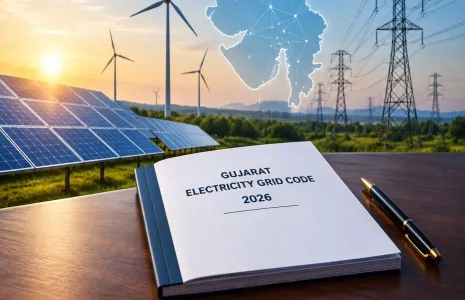
The Gujarat Electricity Regulatory Commission (GERC) has deferred approval of a tariff of Rs2.34 per kWh for 1,250 MW of solar capacity procured by Gujarat Urja Vikas Nigam Limited (GUVNL). The commission cited concerns about renewable energy curtailment, grid stability and the cost implications of integrating additional solar without adequate storage. The order was issued on five September 2026 after a hearing on two September 2026 before a bench comprising the chairman and members.

The procurement covered 625 MW of base capacity and 625 MW under a greenshoe option following a Phase XXVIII competitive bidding process. The tender attracted 24 bids totalling 4,176.7 MW and an e-reverse auction in March 2026 produced the discovered tariff for three successful developers. NLC India Renewables Limited was allocated 900 MW (300 MW base and 600 MW under the greenshoe) with a capacity utilisation factor of 26 per cent; Welspun Renewable Energy Private Limited was allocated 300 MW with a capacity utilisation factor of 28.9 per cent and declined the greenshoe; Meghmani Renew Energy Private Limited was allotted 50 MW with a capacity utilisation factor of 24.5 per cent.

GUVNL argued the discovered tariff is lower than rates found in earlier procurement rounds and said the procurement would help Gujarat meet renewable purchase obligations through FY 2029–30 while contributing to India’s goal of 50 per cent non-fossil installed capacity by 2030. The utility asked the commission to weigh the longer term benefits of lower tariffs for consumers and the role of the procurement in state planning.

GERC issued a 13-point query seeking detailed information on curtailment, grid management, energy storage requirements, resource adequacy and the actual cost of solar after accounting for storage, balancing and backing down. The commission requested daily renewable curtailment data from one September 2025 to 31 August 2026 and asked for a time bound plan to address curtailment and measures to ensure grid stability. It also directed GUVNL to demonstrate consistency with updated resource adequacy plans and to quantify overall integration costs.

GUVNL sought three weeks to submit technical studies, curtailment data and supporting documents and the commission allowed the extension, setting a deadline of 23 September 2026 for additional filings. The matter will return to a subsequent hearing after the submission for the commission to decide whether to adopt the tariff and any conditions required to safeguard grid operations.

The Gujarat Electricity Regulatory Commission (GERC) has deferred approval of a tariff of Rs2.34 per kWh for 1,250 MW of solar capacity procured by Gujarat Urja Vikas Nigam Limited (GUVNL). The commission cited concerns about renewable energy curtailment, grid stability and the cost implications of integrating additional solar without adequate storage. The order was issued on five September 2026 after a hearing on two September 2026 before a bench comprising the chairman and members. The procurement covered 625 MW of base capacity and 625 MW under a greenshoe option following a Phase XXVIII competitive bidding process. The tender attracted 24 bids totalling 4,176.7 MW and an e-reverse auction in March 2026 produced the discovered tariff for three successful developers. NLC India Renewables Limited was allocated 900 MW (300 MW base and 600 MW under the greenshoe) with a capacity utilisation factor of 26 per cent; Welspun Renewable Energy Private Limited was allocated 300 MW with a capacity utilisation factor of 28.9 per cent and declined the greenshoe; Meghmani Renew Energy Private Limited was allotted 50 MW with a capacity utilisation factor of 24.5 per cent. GUVNL argued the discovered tariff is lower than rates found in earlier procurement rounds and said the procurement would help Gujarat meet renewable purchase obligations through FY 2029–30 while contributing to India’s goal of 50 per cent non-fossil installed capacity by 2030. The utility asked the commission to weigh the longer term benefits of lower tariffs for consumers and the role of the procurement in state planning. GERC issued a 13-point query seeking detailed information on curtailment, grid management, energy storage requirements, resource adequacy and the actual cost of solar after accounting for storage, balancing and backing down. The commission requested daily renewable curtailment data from one September 2025 to 31 August 2026 and asked for a time bound plan to address curtailment and measures to ensure grid stability. It also directed GUVNL to demonstrate consistency with updated resource adequacy plans and to quantify overall integration costs. GUVNL sought three weeks to submit technical studies, curtailment data and supporting documents and the commission allowed the extension, setting a deadline of 23 September 2026 for additional filings. The matter will return to a subsequent hearing after the submission for the commission to decide whether to adopt the tariff and any conditions required to safeguard grid operations.

Related Stories

Gold Stories

Next Story
Infrastructure Energy

Alternative Fuels Overtake Petrol As August Retail Peaks

The Indian automobile industry recorded its best-ever August retail as alternative fuels such as compressed natural gas, hybrid and electric vehicles combined overtook petrol in the passenger vehicle segment for the first time. The shift coincided with oil price rises linked to the war in the Middle East and a cooled public response to higher ethanol content in petrol. Dealers attributed stronger demand to lower running costs and concerns over the E20 petrol transition. Data released by the Federation of Automobile Dealers Associations (FADA) showed total vehicle retail registrations in August..

Next Story
Infrastructure Urban

Singapore Minister Defends SIA Investment In Air India

Singapore government defended Singapore Airlines' investment in Air India after two weeks of public scrutiny over a funding request, saying the flag carrier must expand overseas and that outcomes are for the company and its shareholders to judge. The remarks in parliament followed reports that Air India had sought about US$1.5 billion (US$1.5 bn) of fresh equity from owners Tata Sons and Singapore Airlines. The issue drew attention because Singapore Airlines is majority-owned by Temasek and raised questions about Temasek's role. Officials framed the matter as a commercial decision rather than ..

Next Story
Infrastructure Transport

IndiGo To Begin Guwahati Bangkok Flights

IndiGo will launch non-stop flights between Guwahati and Bangkok from 27 October 2026, marking the carrier's first international operations from the city. A special inaugural service will operate on 27 October, with regular twice a week flights scheduled from 31 October on Wednesdays and Saturdays, subject to regulatory approvals. The new link will provide direct connectivity between Northeast India and Thailand and expand the airline's India–Thailand network. The inaugural Bangkok to Guwahati sector, flight 6E1086, is scheduled to depart Bangkok at 8:50 am and arrive in Guwahati at 10:25 am..

Advertisement

Subscribe to Our Newsletter

Get daily newsletters around different themes from Construction world.

STAY CONNECTED

Advertisement

SPECIAL OFFER
QR Code