+
India to Add Up to 50 GWh Battery Storage Capacity in 2 Years
POWER & RENEWABLE ENERGY

India to Add Up to 50 GWh Battery Storage Capacity in 2 Years

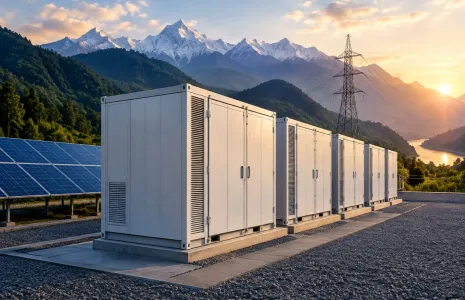
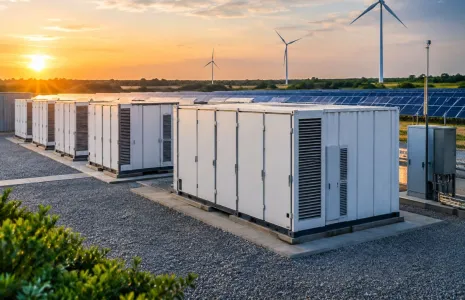
India is set to add 45-50 gigawatt-hour (GWh) of battery energy storage system (BESS) capacity over the current and next financial year, compared with 1 GWh at the end of the previous fiscal year, according to Crisil. The ratings agency attributed the expansion to a strong project pipeline and continued policy support for renewable energy integration.

Crisil’s analysis covered bids awarded between FY24 and FY26 across 100 renewable energy developers. It said the increasing share of renewable energy, which accounted for 39 per cent of installed power generation capacity and 15 per cent of electricity generated in the previous fiscal year, was increasing the need for storage.

Renewable generation is intermittent, creating a requirement for firm and peak-hour power, particularly when evening demand rises after solar generation declines. Storage-linked projects represented nearly 40 per cent of total auctioned capacity in FY26, compared with about 5 per cent in each of FY24 and FY25, as the government accelerated auctions supporting grid integration.

Crisil said 50-55 GWh of BESS capacity was scheduled for commissioning across FY27 and FY28. Government-led auctions accounted for about 40 GWh of this capacity, with distribution utilities serving as offtakers, while the remaining 10-15 GWh was intended for commercial and industrial users or the merchant market.

However, about 12 GWh, or 21 per cent of under-construction BESS capacity, faces weak return potential because battery prices have risen in 2026 while project tariffs were bid at relatively low levels. Crisil said developers that secured projects in 2025 may have assumed battery prices would continue falling, but current costs could make it difficult to achieve typical internal rates of return of 12-14 per cent. Around 8-9 GWh also faces limited implementation experience among sponsors, while dependence on overseas suppliers remains an equipment procurement risk.

India is set to add 45-50 gigawatt-hour (GWh) of battery energy storage system (BESS) capacity over the current and next financial year, compared with 1 GWh at the end of the previous fiscal year, according to Crisil. The ratings agency attributed the expansion to a strong project pipeline and continued policy support for renewable energy integration. Crisil’s analysis covered bids awarded between FY24 and FY26 across 100 renewable energy developers. It said the increasing share of renewable energy, which accounted for 39 per cent of installed power generation capacity and 15 per cent of electricity generated in the previous fiscal year, was increasing the need for storage. Renewable generation is intermittent, creating a requirement for firm and peak-hour power, particularly when evening demand rises after solar generation declines. Storage-linked projects represented nearly 40 per cent of total auctioned capacity in FY26, compared with about 5 per cent in each of FY24 and FY25, as the government accelerated auctions supporting grid integration. Crisil said 50-55 GWh of BESS capacity was scheduled for commissioning across FY27 and FY28. Government-led auctions accounted for about 40 GWh of this capacity, with distribution utilities serving as offtakers, while the remaining 10-15 GWh was intended for commercial and industrial users or the merchant market. However, about 12 GWh, or 21 per cent of under-construction BESS capacity, faces weak return potential because battery prices have risen in 2026 while project tariffs were bid at relatively low levels. Crisil said developers that secured projects in 2025 may have assumed battery prices would continue falling, but current costs could make it difficult to achieve typical internal rates of return of 12-14 per cent. Around 8-9 GWh also faces limited implementation experience among sponsors, while dependence on overseas suppliers remains an equipment procurement risk.

Related Stories

Gold Stories

Next Story
Infrastructure Transport

Madhya Pradesh Plans Airport Every 150 Km, Airstrip Every 75 Km

The Madhya Pradesh government plans to establish an airport every 150 km, an airstrip every 75 km and a helipad every 45 km, according to the state aviation department. Airports being developed in Ujjain and Shivpuri are expected to take the state’s airport count to 10. The government stated that Madhya Pradesh currently has eight airports in eight cities. The locations named by the department include Indore, Bhopal, Jabalpur, Gwalior, Khajuraho, Rewa and Satna. The state also has more than 20 airstrips and 220 helipads, while permanent helipads are planned in all 230 Assembly constituencies..

Next Story
Infrastructure Transport

West Bengal Plans Four Airports for 2028 Completion Under UDAN

West Bengal will develop four new airports under an agreement signed between the Union Civil Aviation Ministry and the state government, with all facilities targeted for completion by 2028. Union Civil Aviation Minister K Rammohan Naidu said the airports would be located at Charra in Purulia, Kalaikunda in Paschim Medinipur, Balurghat in Dakshin Dinajpur and Hasimara in Alipurduar. The project is part of the Centre’s regional connectivity UDAN programme. The Union government has committed Rs. 290 bn for West Bengal’s aviation sector over the next decade, while the state government will pro..

Next Story
Infrastructure Transport

Mumbai Airport Bars Russian Airlines as Agent Seeks Ministry Intervention

Mumbai airport has stopped accepting cargo booked on Russian flag carrier Aeroflot, disrupting shipments and prompting the airline’s cargo sales agent, Delmos Aviation, to seek intervention from the Ministry of Civil Aviation. The restrictions also affect cargo booked on Volga-Dnepr Airlines, according to a letter submitted by Delmos Aviation to the ministry on September 30. Aeroflot operates daily flights between Moscow and Delhi and runs a winter seasonal service to Goa. Bonded cargo from Mumbai and other cities is transported by road to Delhi before being flown to Russia. The agent said t..

Advertisement

Subscribe to Our Newsletter

Get daily newsletters around different themes from Construction world.

STAY CONNECTED

Advertisement

SPECIAL OFFER
QR Code