Kolkata Metro Completes Aluminium Third Rail Upgrade
POWER & RENEWABLE ENERGY

Kolkata Metro Completes Aluminium Third Rail Upgrade

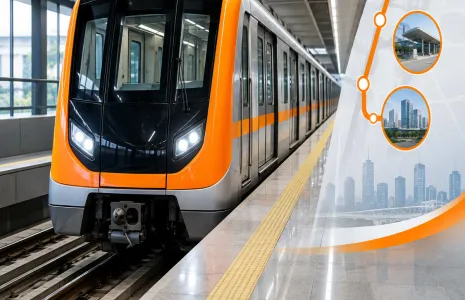
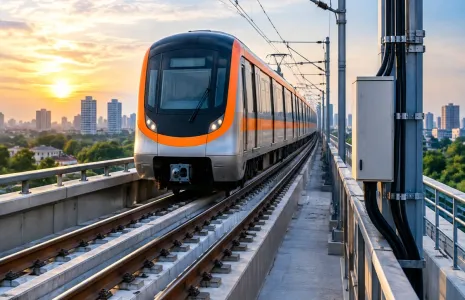
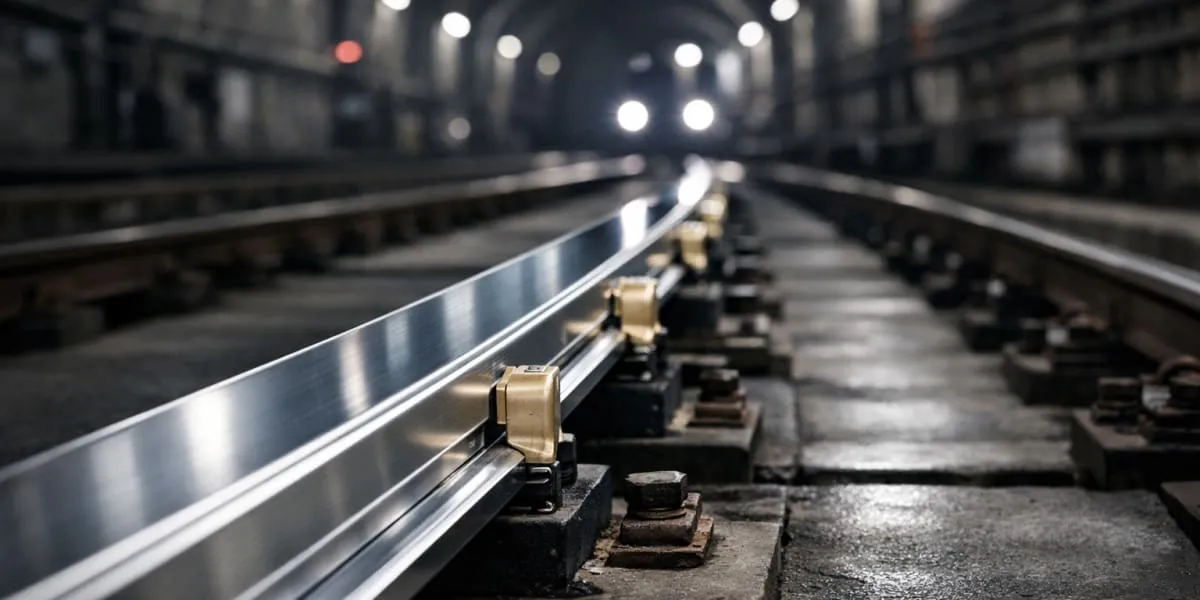
Kolkata Metro has completed the upgrade of the aluminium third rail on the underground Blue Line to enable faster train operations and improved energy performance. The project covers the underground stretches from Noapara to Dum Dum and from Belgachia to Mahanayak Uttar Kumar station. The authority described the work as a significant step in the modernisation of traction infrastructure.

Metro Railway Kolkata said the change is intended to support a targeted 150-second train headway in future operations as part of timetable optimisation. Officials highlighted that aluminium has an electrical conductivity of 38 million (mn) siemens per metre compared with six mn siemens per metre for steel, a contrast that reduces voltage drops and energy losses along the live rail. The reduced electrical loss is expected to aid faster acceleration of trains and permit shorter intervals between services.

The authority noted that the aluminium system will cut heat generation owing to lower resistance, reducing the cooling burden on tunnel air-conditioning systems and improving environmental control within underground sections. It estimated that the upgrade will reduce carbon emissions by nearly 50,000 tonnes over the system lifecycle, equivalent to 50,000 t. The authority framed these outcomes as benefits for both operational efficiency and long-term sustainability.

The third rail replacement forms part of a broader modernisation roadmap that includes advanced signalling to enable higher-frequency operations, improved reliability and enhanced passenger carrying capacity on India’s first metro corridor. Officials indicated that combining infrastructure upgrades with signalling improvements will permit more intensive use of existing track capacity without extensive civil works. They expect reliability gains to translate into improved service regularity and passenger experience.

Further monitoring and phased implementation of higher-frequency services will determine the practical gains in headway reduction and energy savings. The metro authority said ongoing assessment will guide future steps on scheduling and system optimisation.

Kolkata Metro has completed the upgrade of the aluminium third rail on the underground Blue Line to enable faster train operations and improved energy performance. The project covers the underground stretches from Noapara to Dum Dum and from Belgachia to Mahanayak Uttar Kumar station. The authority described the work as a significant step in the modernisation of traction infrastructure. Metro Railway Kolkata said the change is intended to support a targeted 150-second train headway in future operations as part of timetable optimisation. Officials highlighted that aluminium has an electrical conductivity of 38 million (mn) siemens per metre compared with six mn siemens per metre for steel, a contrast that reduces voltage drops and energy losses along the live rail. The reduced electrical loss is expected to aid faster acceleration of trains and permit shorter intervals between services. The authority noted that the aluminium system will cut heat generation owing to lower resistance, reducing the cooling burden on tunnel air-conditioning systems and improving environmental control within underground sections. It estimated that the upgrade will reduce carbon emissions by nearly 50,000 tonnes over the system lifecycle, equivalent to 50,000 t. The authority framed these outcomes as benefits for both operational efficiency and long-term sustainability. The third rail replacement forms part of a broader modernisation roadmap that includes advanced signalling to enable higher-frequency operations, improved reliability and enhanced passenger carrying capacity on India’s first metro corridor. Officials indicated that combining infrastructure upgrades with signalling improvements will permit more intensive use of existing track capacity without extensive civil works. They expect reliability gains to translate into improved service regularity and passenger experience. Further monitoring and phased implementation of higher-frequency services will determine the practical gains in headway reduction and energy savings. The metro authority said ongoing assessment will guide future steps on scheduling and system optimisation.

Next Story
Infrastructure Transport

MMRDA advances 250 m on Orange Gate–Marine Drive tunnel

The Mumbai Metropolitan Region Development Authority (MMRDA) has completed 250 m of underground tunnelling for the Orange Gate–Marine Drive Urban Road Tunnel using India’s largest slurry shield tunnel boring machine (TBM) deployed for an urban road project.The project involves twin tunnels extending over 7 km beneath critical transport corridors, including Central Railway, Western Railway and Metro Line 3. The work requires high-precision engineering to navigate densely developed urban infrastructure.Once completed, the tunnel is expected to reduce travel time between Orange Gate and Marin..

Next Story
Infrastructure Urban

Hindustan Zinc Pays Rs 188.46 Billion in FY26

Hindustan Zinc contributed Rs 188.46 billion to the public exchequer in FY 2025-26, according to its 9th Tax Transparency Report. The contribution, equivalent to 46 per cent of the company’s revenue, included direct and indirect taxes, government royalties, dividends to the Government of India, withholding taxes and other statutory levies.The company’s five-year cumulative contribution to the exchequer stood at Rs 915.72 billion. In FY26, Hindustan Zinc reported revenue of Rs 408.44 billion, EBITDA of Rs 221.62 billion and profit after tax of Rs 138.32 billion. It also achieved its highest..

Next Story
Infrastructure Urban

World of Concrete India 2026 Opens in Mumbai

Informa Markets in India will host the 12th edition of World of Concrete India 2026 from 3–5 June 2026 at the Bombay Exhibition Centre, Mumbai. The specialised B2B exhibition will bring together manufacturers, suppliers, contractors, developers, architects, consultants, infrastructure companies, project leaders and government stakeholders.The event is expected to feature over 350 brands and more than 18,000 trade professionals. It will cover concrete and cement, dry mortar, precast technologies, formwork, construction chemicals, industrial and commercial flooring, scaffolding, safety solutio..

Advertisement

Subscribe to Our Newsletter

Get daily newsletters around different themes from Construction world.

STAY CONNECTED

Advertisement

Advertisement

Advertisement

-->