+
Nayara Energy Raises Petrol Price by Rs. 5 per Litre
POWER & RENEWABLE ENERGY

Nayara Energy Raises Petrol Price by Rs. 5 per Litre

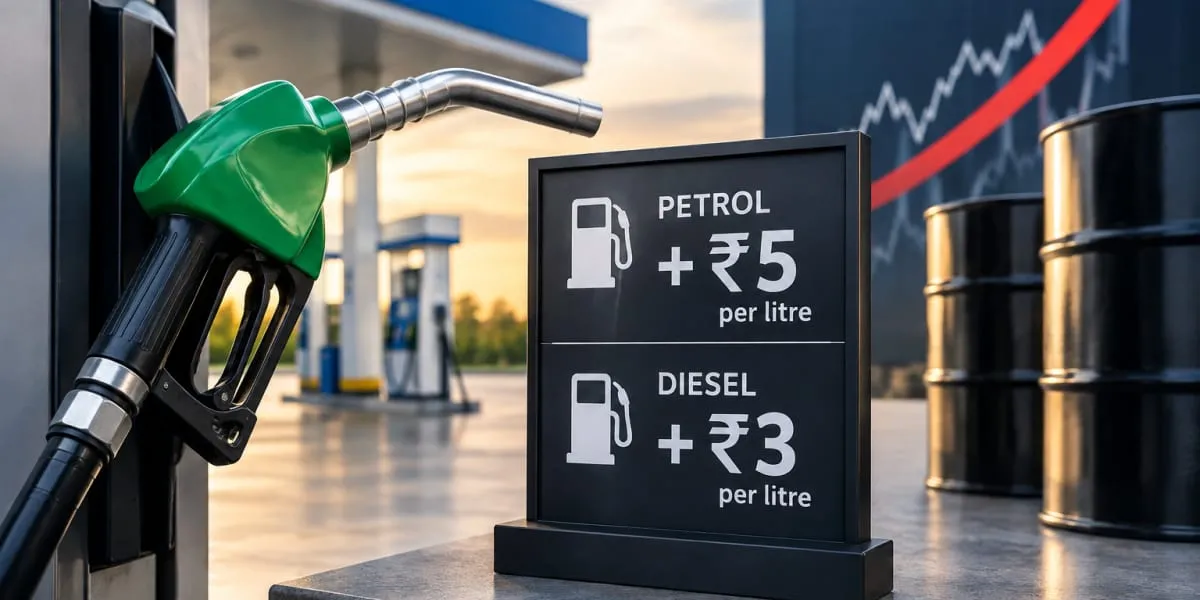
Nayara Energy has raised petrol prices by Rs. 5 per litre and diesel prices by Rs. 3 per litre across its nationwide network, effective Saturday. The private fuel retailer attributed the revision to sustained increases in international crude oil and fuel product prices, which have put pressure on retail margins.

The revised rates will apply at more than 7,000 Nayara Energy fuel stations. The company is seeking to narrow the gap between retail prices and procurement costs as global energy markets remain elevated. This is Nayara Energy’s second price revision of the year.

In March, the company increased petrol and diesel prices by similar amounts after supply disruptions linked to tensions in West Asia. It later withdrew that increase in July after crude oil prices eased. The latest revision comes as state-owned fuel retailers continue to keep their retail rates largely stable despite movements in international crude markets.

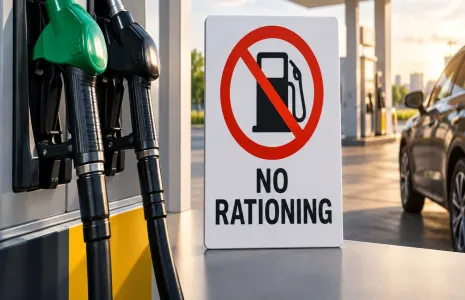
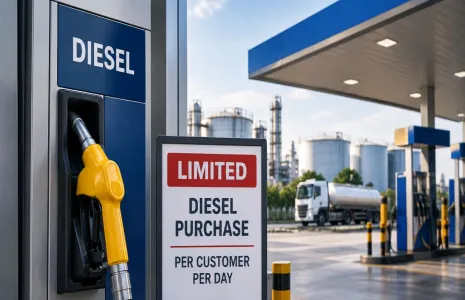
State-owned retailers account for more than 90 per cent of India’s more than 104,000 petrol pumps. Earlier this week, the government said private fuel retailers should not restrict petrol and diesel sales. The development follows reports of increased demand at some privately operated stations.

State-owned oil marketing companies, or OMCs, also raised commercial liquefied petroleum gas rates by Rs. 62.50 per 19-kg cylinder in October, while domestic LPG prices remained unchanged at Rs. 942. Aviation turbine fuel, or ATF, prices rose by Rs. 16 per litre to Rs. 137 per litre for domestic airlines from Rs. 121 per litre. ATF rates had already increased by Rs. 6.28 per litre, or 5.46 per cent, in September, following a Rs. 5 per litre rise in August.

Commercial LPG prices have risen by Rs. 1,373 per 19-kg cylinder between February and June, from Rs. 1,740.50 to Rs. 3,113.50. Rates subsequently fell in July and August after reductions of Rs. 192 and Rs. 183.50, respectively, while a Rs. 9.50 increase was recorded in September.

Nayara Energy has raised petrol prices by Rs. 5 per litre and diesel prices by Rs. 3 per litre across its nationwide network, effective Saturday. The private fuel retailer attributed the revision to sustained increases in international crude oil and fuel product prices, which have put pressure on retail margins. The revised rates will apply at more than 7,000 Nayara Energy fuel stations. The company is seeking to narrow the gap between retail prices and procurement costs as global energy markets remain elevated. This is Nayara Energy’s second price revision of the year. In March, the company increased petrol and diesel prices by similar amounts after supply disruptions linked to tensions in West Asia. It later withdrew that increase in July after crude oil prices eased. The latest revision comes as state-owned fuel retailers continue to keep their retail rates largely stable despite movements in international crude markets. State-owned retailers account for more than 90 per cent of India’s more than 104,000 petrol pumps. Earlier this week, the government said private fuel retailers should not restrict petrol and diesel sales. The development follows reports of increased demand at some privately operated stations. State-owned oil marketing companies, or OMCs, also raised commercial liquefied petroleum gas rates by Rs. 62.50 per 19-kg cylinder in October, while domestic LPG prices remained unchanged at Rs. 942. Aviation turbine fuel, or ATF, prices rose by Rs. 16 per litre to Rs. 137 per litre for domestic airlines from Rs. 121 per litre. ATF rates had already increased by Rs. 6.28 per litre, or 5.46 per cent, in September, following a Rs. 5 per litre rise in August. Commercial LPG prices have risen by Rs. 1,373 per 19-kg cylinder between February and June, from Rs. 1,740.50 to Rs. 3,113.50. Rates subsequently fell in July and August after reductions of Rs. 192 and Rs. 183.50, respectively, while a Rs. 9.50 increase was recorded in September.

Related Stories

Gold Stories

Next Story
Technology

Bentley Systems announces 2026 Year in Infrastructure winners

Bentley Systems has announced the winners of its 2026 Year in Infrastructure Awards, recognising projects that use digital technologies and Bentley software across the infrastructure lifecycle. The awards were presented during the Bentley Systems 2026 Year in Infrastructure Event, held in Singapore on October 6 and 7.More than 300 projects from organisations in 53 countries were nominated this year. Winners were selected across 12 categories by an independent judging panel.The 2026 winners included AYESA Engineering’s Porto Metro 3.0 project in the Bridges and Tunnels category; Pinnacle Futu..

Next Story
Technology

We want to bring a real system of intelligence to construction

For EPC and infrastructure companies, fragmented project data can delay critical decisions. Srikar Chintalagiri, Co-Founder & CEO, AlfredWorks, explains how AlfredWorks connects contracts with project information to identify risks, improve traceability and support faster decision-making across complex construction projects.Where does AlfredWorks fit within the technology ecosystem of EPC and infrastructure companies, and what gap does it address beyond existing ERP, scheduling and document-management systems?AlfredWorks is a system of intelligence that sits on top of existing systems of re..

Next Story
Technology

We aim to become the single source of truth for project information

Every construction project depends on one critical element: the right drawing reaching the right person at the right time. But fragmented workflows often create costly delays. Rikunj Moradia, Founder, SyncDrawings, explains how digital drawing management can transform project execution.What gap in the construction ecosystem led to the creation of SyncDrawings?I come from a construction background and also run a BIM services firm. During our work, one recurring challenge was drawing accessibility. Construction is completely dependent on drawings, but the way they are managed remains fragmented ..

Advertisement

Subscribe to Our Newsletter

Get daily newsletters around different themes from Construction world.

STAY CONNECTED

Advertisement

SPECIAL OFFER
QR Code