+
OIL Green Energy Signs MoUs With Haryana For Waste To Clean Energy
POWER & RENEWABLE ENERGY

OIL Green Energy Signs MoUs With Haryana For Waste To Clean Energy

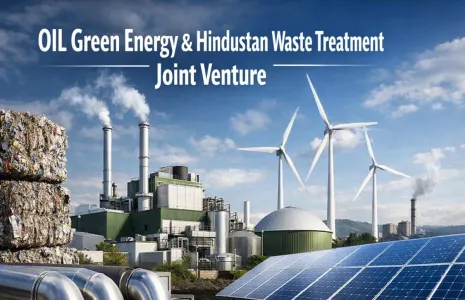
OIL Green Energy has signed memoranda of understanding with the government of Haryana to develop waste to clean energy projects across the state. The agreements establish a formal framework for cooperation on municipal and industrial waste management and for the conversion of waste streams into usable energy. The pacts set out collaborative steps for site identification, feasibility assessment and project implementation.

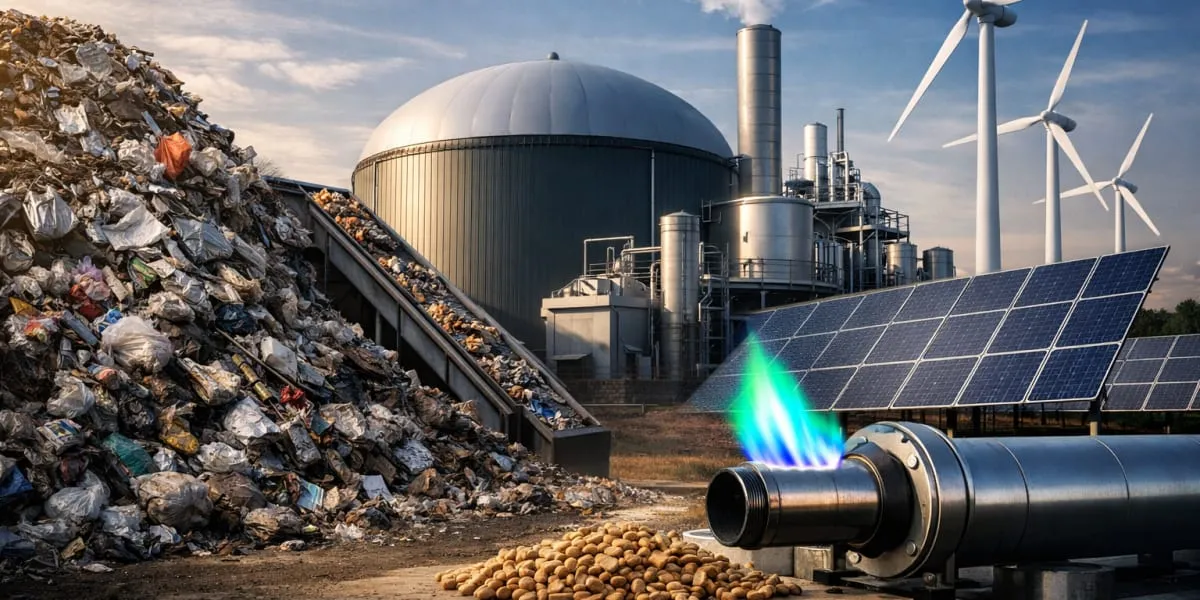
The scope of the initiatives covers a range of waste processing routes including segregation, biological treatment, thermal conversion and energy recovery, and envisages integration with existing waste management systems. The arrangements will involve coordination with local municipal bodies and state agencies to ensure feedstock supply and compliance with environmental norms. Technical evaluation and selection of appropriate processing technologies are included within the framework established by the memoranda of understanding.

Project design contemplates the recovery of resources from waste, the reduction of landfill dependence and the generation of electricity or fuel that can support local energy needs. The partnership foresees shared responsibilities with OIL Green Energy leading project development and the state facilitating approvals, land allocation and stakeholder engagement. Financial structuring, operation and maintenance arrangements are to be defined through subsequent project agreements.

The agreements align with broader policy objectives on sustainable waste management and the deployment of clean energy solutions at state level. Implementation will require permits, environmental clearances and systematic monitoring to meet regulatory standards and community expectations. Future steps outlined under the memoranda of understanding include detailed studies, pilot projects and the execution of definitive contracts to transition from planning to construction and operation.

Stakeholder engagement plans under the memoranda of understanding will address community concerns, inform procurement of feedstock and establish grievance redress mechanisms. The memoranda include provisions for capacity building and technical assistance to support local operators and supply chain participants. The parties have agreed to publish progress reports and to pursue definitive project contracts following completion of detailed studies.

OIL Green Energy has signed memoranda of understanding with the government of Haryana to develop waste to clean energy projects across the state. The agreements establish a formal framework for cooperation on municipal and industrial waste management and for the conversion of waste streams into usable energy. The pacts set out collaborative steps for site identification, feasibility assessment and project implementation. The scope of the initiatives covers a range of waste processing routes including segregation, biological treatment, thermal conversion and energy recovery, and envisages integration with existing waste management systems. The arrangements will involve coordination with local municipal bodies and state agencies to ensure feedstock supply and compliance with environmental norms. Technical evaluation and selection of appropriate processing technologies are included within the framework established by the memoranda of understanding. Project design contemplates the recovery of resources from waste, the reduction of landfill dependence and the generation of electricity or fuel that can support local energy needs. The partnership foresees shared responsibilities with OIL Green Energy leading project development and the state facilitating approvals, land allocation and stakeholder engagement. Financial structuring, operation and maintenance arrangements are to be defined through subsequent project agreements. The agreements align with broader policy objectives on sustainable waste management and the deployment of clean energy solutions at state level. Implementation will require permits, environmental clearances and systematic monitoring to meet regulatory standards and community expectations. Future steps outlined under the memoranda of understanding include detailed studies, pilot projects and the execution of definitive contracts to transition from planning to construction and operation. Stakeholder engagement plans under the memoranda of understanding will address community concerns, inform procurement of feedstock and establish grievance redress mechanisms. The memoranda include provisions for capacity building and technical assistance to support local operators and supply chain participants. The parties have agreed to publish progress reports and to pursue definitive project contracts following completion of detailed studies.

Related Stories

Gold Stories

Next Story
Infrastructure Urban

Third Parties Can Move Court Against Unauthorised Construction

The Calcutta High Court (High Court) Circuit Bench at Port Blair held that a third party or public?spirited citizen can approach the writ court when municipal authorities fail to act against unauthorised construction, noting the burden on civic amenities and safety hazards. The Division Bench (Bench) of Justice Shampa Sarkar and Justice Arjun Ray Mukherjee upheld demolition directions for unauthorised portions of a hotel in Sri Vijaya Puram, subject to the regularisation scheme. The Bench rejected the appellant's locus contention. The Bench relied on the Supreme Court decision in Deepak Kumar ..

Next Story
Infrastructure Urban

Rs 16.67 bn Plan to Transform Srinagar Airport by 2031

The Jammu and Kashmir administration has submitted a proposal for a Rs 16.67 billion (bn) expansion of the Civil Enclave at Srinagar International Airport with a target completion year of 2031. The proposal was approved by the Cabinet Committee on Economic Affairs on 24 February 2026 and forwarded to the Ministry of Home Affairs with detailed project parameters and cost estimates. The stated intention is to lift annual passenger handling markedly to address rising travel demand and to modernise core terminal infrastructure. The scheme envisages the construction of a new Integrated Terminal Bui..

Next Story
Infrastructure Energy

India Pushes Self-Reliance In Critical Minerals

Minister of State for Coal and Mines Satish Chandra Dubey said at an industry roadshow in Raipur that India has made continuous efforts to become self-reliant in critical minerals to secure domestic industrial and clean energy supply chains. The roadshow was intended to connect state authorities with industry leaders to address operational and technical aspects. The event facilitated dialogue between entrepreneurs and officials to explain technical matters. The engagement comes against the backdrop of the National Critical Mineral Mission (NCMM), introduced for a seven-year period from 2024-25..

Advertisement

Subscribe to Our Newsletter

Get daily newsletters around different themes from Construction world.

STAY CONNECTED

Advertisement

SPECIAL OFFER
QR Code