Lighting that evolves with the day
Interiors

Lighting that evolves with the day

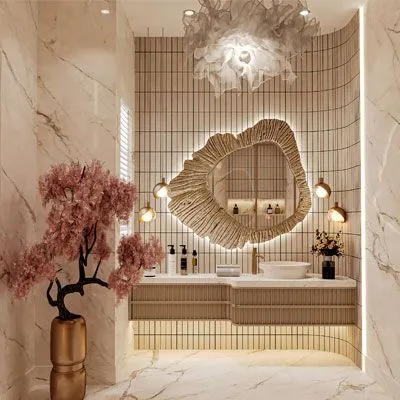
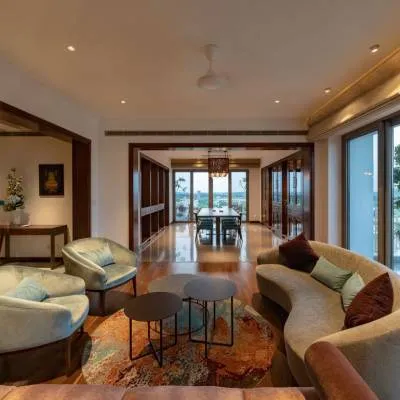
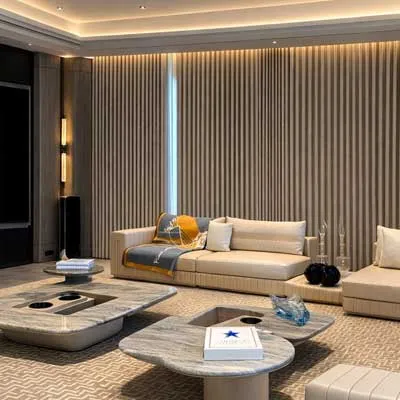
Mr. Light Illumination is introducing a design-led approach to lighting that shifts with time, mood and usage, moving away from static, one-tone illumination in modern homes.
The concept focuses on layered lighting—where cooler, task-oriented light supports productivity during the day, while warmer ambient tones gradually take over to create a more relaxed, intimate atmosphere by evening. This transition enables spaces to adapt seamlessly to multiple functions, reflecting evolving lifestyles where rooms serve varied purposes across the day.
Rather than treating lighting as a one-time installation choice, the approach positions it as a dynamic element within interiors. Through subtle shifts in intensity and tone, lighting responds to how a space is used—enhancing textures, defining zones and supporting different activities without abrupt transitions.
The idea challenges conventional lighting decisions by integrating flexibility and responsiveness into design thinking. As homes increasingly blend work, leisure and social functions, adaptive lighting solutions are emerging as a key element in creating environments that are both functional and experiential.
By framing light as an evolving presence rather than a fixed feature, Mr. Light Illumination aligns with a broader shift towards more intuitive, human-centric interior design.

Mr. Light Illumination is introducing a design-led approach to lighting that shifts with time, mood and usage, moving away from static, one-tone illumination in modern homes.The concept focuses on layered lighting—where cooler, task-oriented light supports productivity during the day, while warmer ambient tones gradually take over to create a more relaxed, intimate atmosphere by evening. This transition enables spaces to adapt seamlessly to multiple functions, reflecting evolving lifestyles where rooms serve varied purposes across the day.Rather than treating lighting as a one-time installation choice, the approach positions it as a dynamic element within interiors. Through subtle shifts in intensity and tone, lighting responds to how a space is used—enhancing textures, defining zones and supporting different activities without abrupt transitions.The idea challenges conventional lighting decisions by integrating flexibility and responsiveness into design thinking. As homes increasingly blend work, leisure and social functions, adaptive lighting solutions are emerging as a key element in creating environments that are both functional and experiential.By framing light as an evolving presence rather than a fixed feature, Mr. Light Illumination aligns with a broader shift towards more intuitive, human-centric interior design.

Related Stories

Gold Stories
Next Story
Infrastructure Urban

KONE Opens India's First Digital Experience Centre in Pune

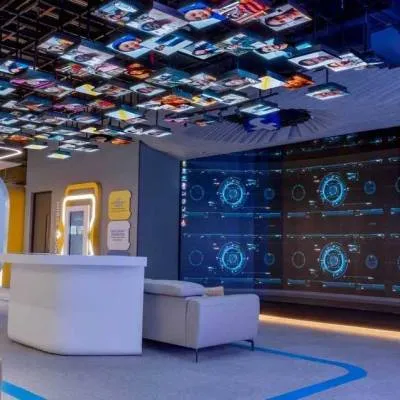
KONE, a global elevator and escalator manufacturer, has inaugurated its first Digital Experience Centre (DEC) in India, located in Pune. The facility aims to showcase how artificial intelligence (AI), connectivity and data-driven technologies can enhance customer experiences and improve building operations.The centre was inaugurated by Jussi Herlin, Executive Vice Chair, KONE Corporation; Philippe Delorme, President and CEO, KONE; and Nandan Nilekani, Co-founder and Chairman of the Board, Infosys.Designed as an interactive customer environment, the facility demonstrates digital solutions cover..

Next Story
Infrastructure Urban

CII GreenCo Launches Circularity Guidelines for Indian Industry

The Confederation of Indian Industry (CII) GreenCo Council has launched the CII GreenCo Circularity Guidelines – Pilot Version at the 17th CII GreenCo Waste & Resource Management Summit 2026 in Chennai. The initiative aims to strengthen resource efficiency, waste reduction and circular economy practices across Indian manufacturing and process industries.The guidelines introduce a structured framework with circularity indices covering raw materials, consumables, packaging and other resource inputs. These indicators will help industries assess existing practices, identify opportunities to ..

Next Story
Infrastructure Energy

Global Electronics Association Launches IPC-1783-CO2E Standard

The Global Electronics Association has introduced IPC-1783-CO2E, a new international standard aimed at improving consistency, transparency and comparability in product carbon footprint reporting across the electronics manufacturing industry.The standard, titled International Standard for Data Collection and Reporting of CO2 Equivalent (CO2e) Emissions for the Electronics Manufacturing Supply Chain, provides industry-specific guidance for collecting, estimating and reporting carbon emissions data.With increasing regulatory requirements and customer expectations, electronics manufacturers face c..

Advertisement

Subscribe to Our Newsletter

Get daily newsletters around different themes from Construction world.

STAY CONNECTED

Advertisement

SPECIAL OFFER
QR Code