Delhi EV Policy Could Become Template, Morgan Stanley Flags Risk
ECONOMY & POLICY

Delhi EV Policy Could Become Template, Morgan Stanley Flags Risk

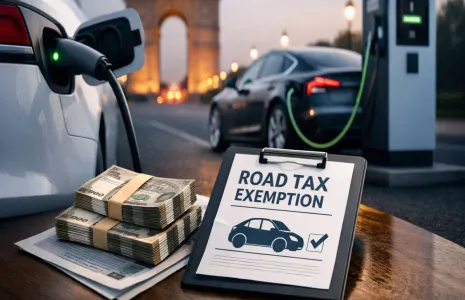
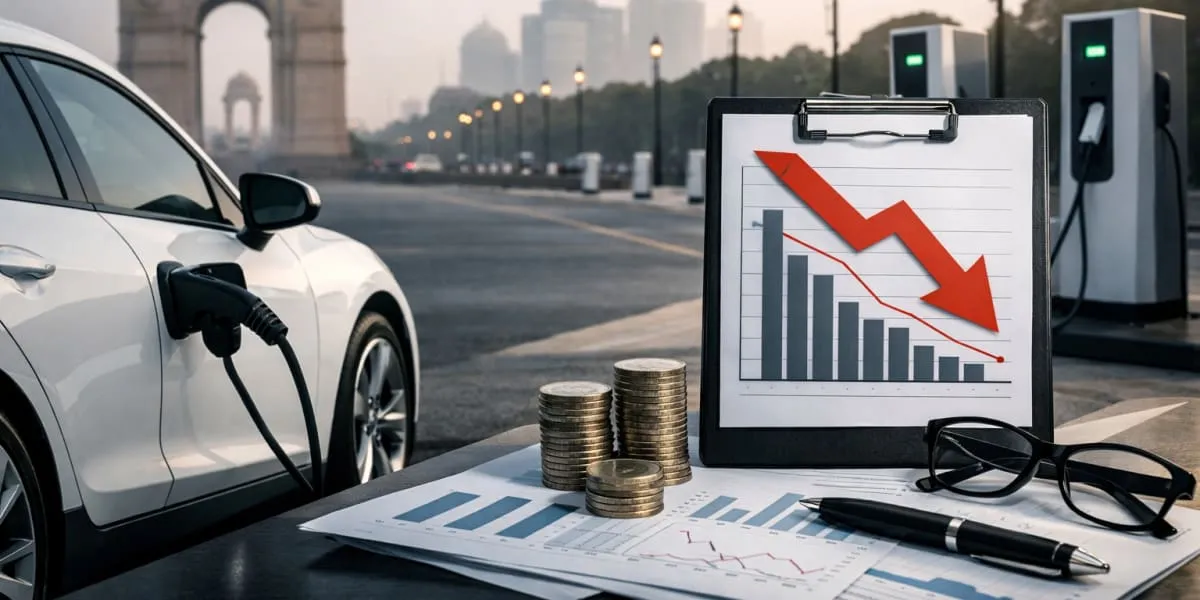
Morgan Stanley has said Delhi's Electric Vehicle Policy 2026 could speed the transition to clean mobility but warned that a larger challenge for the automobile sector may arise if other states adopt similar measures. The brokerage noted the immediate financial impact on vehicle manufacturers would remain limited because Delhi contributes a small share of domestic sales and consumers can buy in neighbouring states. It flagged policy replication as the principal risk to the industry.

It said resistance is likely from manufacturers and dealers, especially in the motorcycle segment where viable electric alternatives remain limited, and cited Chandigarh deferring a proposed ban on internal combustion engine two-wheelers to 2027 after industry concerns. The analysis noted that manufacturers with established electric portfolios such as Hero MotoCorp, Bajaj Auto and TVS Motor are better placed to offset disruption. For Eicher Motors the success of its newly launched electric motorcycle assumes greater significance under the evolving regulatory landscape.

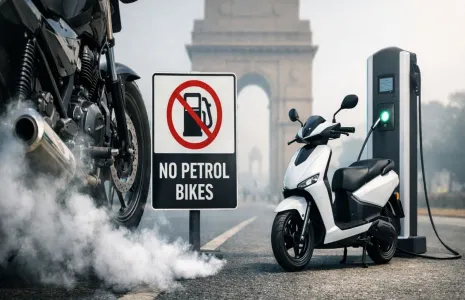
The policy sets out a roadmap to phase out internal combustion engine vehicles in selected segments while incentivising electric uptake and mandates timelines. Fresh registrations of electric-only three-wheelers and sub-three-point-five-tonne (t) commercial vehicles will be allowed from January one, 2027, and new two-wheeler registrations will shift to electric from April one, 2028. The government has mandated that 30 per cent of school bus fleets be electric by March 2030.

The policy is backed by Rs 70 bn in direct incentives and Rs 80 bn in indirect incentives and infrastructure investments, and plans call for installation of around 32,000 charging points across the national capital. The brokerage argued that faster scrappage of ageing vehicles across segments would be the most effective way to curb transport emissions and emphasised the need to localise battery cell manufacturing to strengthen energy security. It concluded that while air pollution remains a legitimate concern, the national impact will hinge on whether other states follow Delhi's template.

"Join industry leaders at RAHSTA Expo, India's premier platform for roads, highways and traffic infrastructure. Register now to explore innovations, network with experts and shape the future of mobility."

Morgan Stanley has said Delhi's Electric Vehicle Policy 2026 could speed the transition to clean mobility but warned that a larger challenge for the automobile sector may arise if other states adopt similar measures. The brokerage noted the immediate financial impact on vehicle manufacturers would remain limited because Delhi contributes a small share of domestic sales and consumers can buy in neighbouring states. It flagged policy replication as the principal risk to the industry. It said resistance is likely from manufacturers and dealers, especially in the motorcycle segment where viable electric alternatives remain limited, and cited Chandigarh deferring a proposed ban on internal combustion engine two-wheelers to 2027 after industry concerns. The analysis noted that manufacturers with established electric portfolios such as Hero MotoCorp, Bajaj Auto and TVS Motor are better placed to offset disruption. For Eicher Motors the success of its newly launched electric motorcycle assumes greater significance under the evolving regulatory landscape. The policy sets out a roadmap to phase out internal combustion engine vehicles in selected segments while incentivising electric uptake and mandates timelines. Fresh registrations of electric-only three-wheelers and sub-three-point-five-tonne (t) commercial vehicles will be allowed from January one, 2027, and new two-wheeler registrations will shift to electric from April one, 2028. The government has mandated that 30 per cent of school bus fleets be electric by March 2030. The policy is backed by Rs 70 bn in direct incentives and Rs 80 bn in indirect incentives and infrastructure investments, and plans call for installation of around 32,000 charging points across the national capital. The brokerage argued that faster scrappage of ageing vehicles across segments would be the most effective way to curb transport emissions and emphasised the need to localise battery cell manufacturing to strengthen energy security. It concluded that while air pollution remains a legitimate concern, the national impact will hinge on whether other states follow Delhi's template.

Next Story
Equipment

Plant & Equipment Secures Funding to Expand Auction Business

Plant & Equipment (P&E), a global heavy equipment marketplace, has secured asset-backed financing to accelerate the growth of P&E Auctions, its auction business serving buyers and sellers across the Middle East, Africa and other international markets.The investment will be used to acquire physically inspected construction equipment, lifting machinery and commercial vehicles, enabling the company to provide minimum guarantees on assets sold through its auction platform.Launched in December 2023, P&E Auctions has expanded rapidly following the success of the company's online mark..

Next Story
Equipment

Michelin Opens Two New Retail Service Centres in North India

Michelin India has expanded its retail network in North India with the launch of two new Michelin Tyres & Services (MTS) stores in Amritsar and Panchkula. Opened in partnership with National Auto and Universal Tyres, respectively, the new outlets aim to strengthen the company's presence in one of India's fastest-growing automotive markets.Located on Loharka Road in Amritsar and in the Industrial Area of Panchkula, each 5,000-sq-ft facility offers Michelin's range of passenger car and two-wheeler tyres, including the Primacy, Pilot Sport, Latitude Sport and LTX Trail series. The centres als..

Next Story
Infrastructure Urban

IHC and Adani to Invest US$11.5 bn in Odisha Aluminium Project

Abu Dhabi's International Holding Company (IHC) will invest US$11.5 bn in an integrated aluminium project in the eastern Indian state of Odisha in a joint venture with the Adani Group, a state official said. The official said the announcement represented the country's largest foreign investment in mining and metallurgy. Officials said the venture would span both mining and metallurgical activities across several facilities in the state. The project has been described as integrated, encompassing upstream bauxite extraction and downstream smelting and metallurgy, and is intended to develop a com..

Advertisement

Subscribe to Our Newsletter

Get daily newsletters around different themes from Construction world.

STAY CONNECTED

Advertisement

Advertisement

Advertisement