DGCA Launches Digital Pilot Licence Services for ATPL
ECONOMY & POLICY

DGCA Launches Digital Pilot Licence Services for ATPL

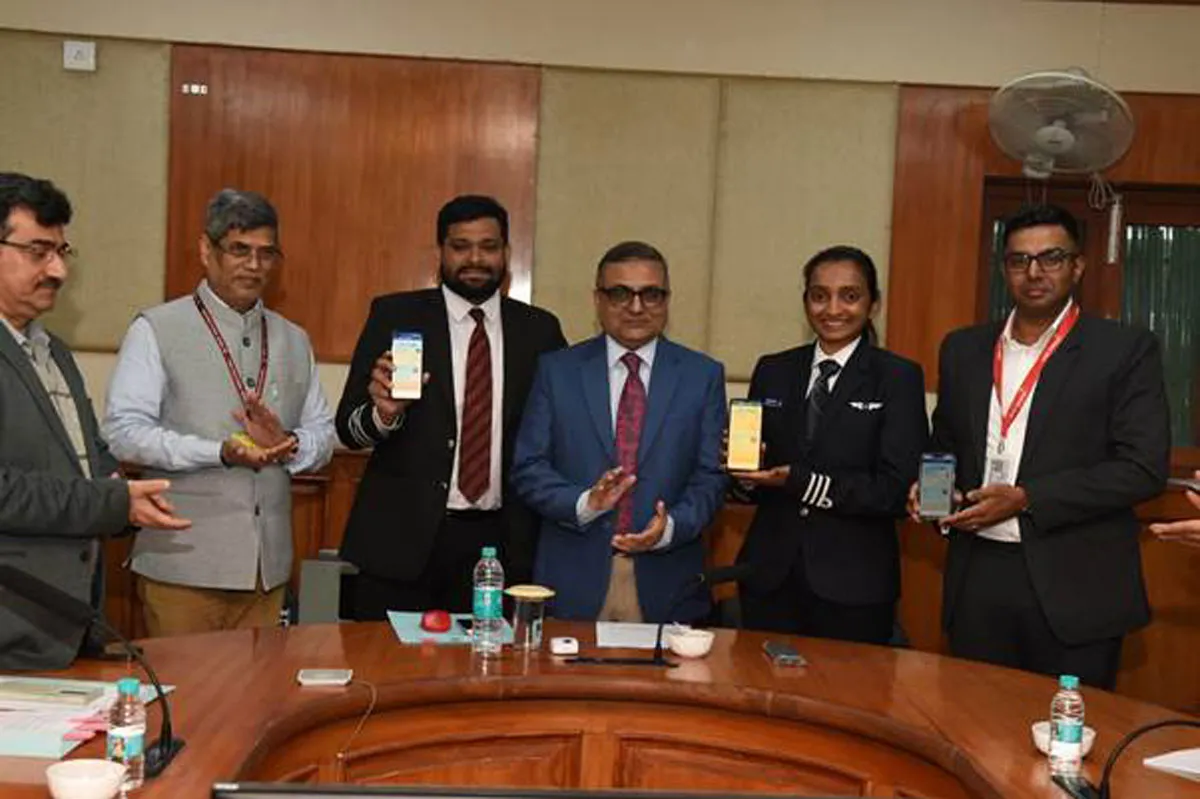
The Directorate General of Civil Aviation (DGCA) has launched Electronic Personnel Licence (EPL) services for the Airline Transport Pilot Licence (ATPL), marking a significant step in the regulator’s ongoing digital transformation of aviation licensing in India. The service was inaugurated at an event held at the DGCA headquarters.

Inaugurating the EPL ATPL service, Director General of Civil Aviation Faiz Ahmed Kidwai said the initiative represents a major advancement in strengthening India’s civil aviation regulatory framework through secure, modern and future-ready digital systems. He congratulated DGCA teams and technology partners for the successful implementation of the system and acknowledged the cooperation of industry stakeholders in adopting the new digital process.

The Electronic Personnel Licence is a secure digital licence designed with International Civil Aviation Organization (ICAO)-aligned security features. These features ensure authenticity, prevent tampering and enable real-time verification of pilot credentials. The digital licence can be accessed through the eGCA mobile application, providing pilots with convenient and reliable access to their credentials.

DGCA had begun the phased roll-out of Electronic Personnel Licences in February 2025, initially covering the Commercial Pilot’s Licence (CPL) and the Flight Radio Telephone Operator’s (Restricted) Licence (FRTOL). The extension of EPL services to cover the Airline Transport Pilot Licence further expands the scope of digital licensing and enhances service delivery across the aviation sector.

With the introduction of EPL for ATPL, the regulator aims to improve efficiency, transparency and ease of compliance for pilots and operators, while reducing reliance on physical documentation. The move is also expected to strengthen trust and verification processes within the aviation ecosystem.

The launch underscores DGCA’s commitment to leveraging technology to modernise regulatory services and align India’s civil aviation framework with global best practices.

The Directorate General of Civil Aviation (DGCA) has launched Electronic Personnel Licence (EPL) services for the Airline Transport Pilot Licence (ATPL), marking a significant step in the regulator’s ongoing digital transformation of aviation licensing in India. The service was inaugurated at an event held at the DGCA headquarters.Inaugurating the EPL ATPL service, Director General of Civil Aviation Faiz Ahmed Kidwai said the initiative represents a major advancement in strengthening India’s civil aviation regulatory framework through secure, modern and future-ready digital systems. He congratulated DGCA teams and technology partners for the successful implementation of the system and acknowledged the cooperation of industry stakeholders in adopting the new digital process.The Electronic Personnel Licence is a secure digital licence designed with International Civil Aviation Organization (ICAO)-aligned security features. These features ensure authenticity, prevent tampering and enable real-time verification of pilot credentials. The digital licence can be accessed through the eGCA mobile application, providing pilots with convenient and reliable access to their credentials.DGCA had begun the phased roll-out of Electronic Personnel Licences in February 2025, initially covering the Commercial Pilot’s Licence (CPL) and the Flight Radio Telephone Operator’s (Restricted) Licence (FRTOL). The extension of EPL services to cover the Airline Transport Pilot Licence further expands the scope of digital licensing and enhances service delivery across the aviation sector.With the introduction of EPL for ATPL, the regulator aims to improve efficiency, transparency and ease of compliance for pilots and operators, while reducing reliance on physical documentation. The move is also expected to strengthen trust and verification processes within the aviation ecosystem.The launch underscores DGCA’s commitment to leveraging technology to modernise regulatory services and align India’s civil aviation framework with global best practices.

Next Story
Technology

AI-Enabled Workflows Lift Profitability and Productivity

Organisations modernising frontline workflows with artificial intelligence, automation and real-time data are reporting stronger financial performance, higher productivity and improved employee engagement, according to a global study by Zebra Technologies and Oxford Economics.The research covered 1,000 senior leaders across retail, manufacturing, transportation and logistics in the US, Mexico, the UK, Germany, India, Japan, Australia and New Zealand.In transportation and logistics, 54 per cent of companies that improved picking and packing operations reported faster operational performance, wh..

Next Story
Real Estate

India Leads Global AI Readiness but Implementation Lags

Indian companies lead global averages across all eight artificial intelligence readiness indicators tracked by JLL, but only 19 per cent have started making changes to their workplaces, according to the JLL 2026 Future of Work Survey.The study found that 77 per cent of Indian business leaders expect AI to change their office requirements, creating a 58-percentage-point gap between awareness and implementation. The survey covered more than 2,200 CEOs, CFOs and real estate leaders across 21 countries during the first quarter of 2026.Despite concerns over automation, 58 per cent of Indian leaders..

Next Story
Equipment

Three WOLFF Cranes Build Riyadh Cable-Stayed Bridges

Three WOLFF 180 B luffing jib cranes are supporting the construction of two cable-stayed bridges alongside the existing Wadi Laban Bridge in Riyadh, Saudi Arabia. The project is being developed for the Royal Commission for Riyadh City and executed by the ICRC joint venture comprising IC Ictas and Al Rashid Trading & Contracting Company.The cranes are handling lifting operations including formwork, reinforcement, concrete placement, work platforms, surveying equipment and other construction materials. Each crane is fitted with a 40 m jib, reaches a hook height of 157 m and offers a maximum ..

Advertisement

Subscribe to Our Newsletter

Get daily newsletters around different themes from Construction world.

STAY CONNECTED

Advertisement

Advertisement

Advertisement