Government Expands Verification Of Fuel Dispensers To Include Hydrogen
ECONOMY & POLICY

Government Expands Verification Of Fuel Dispensers To Include Hydrogen

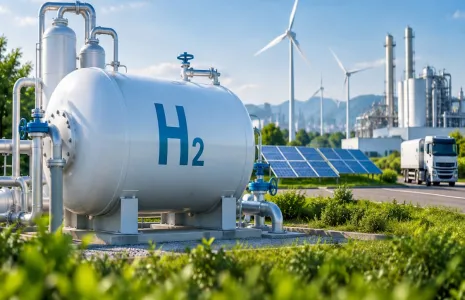
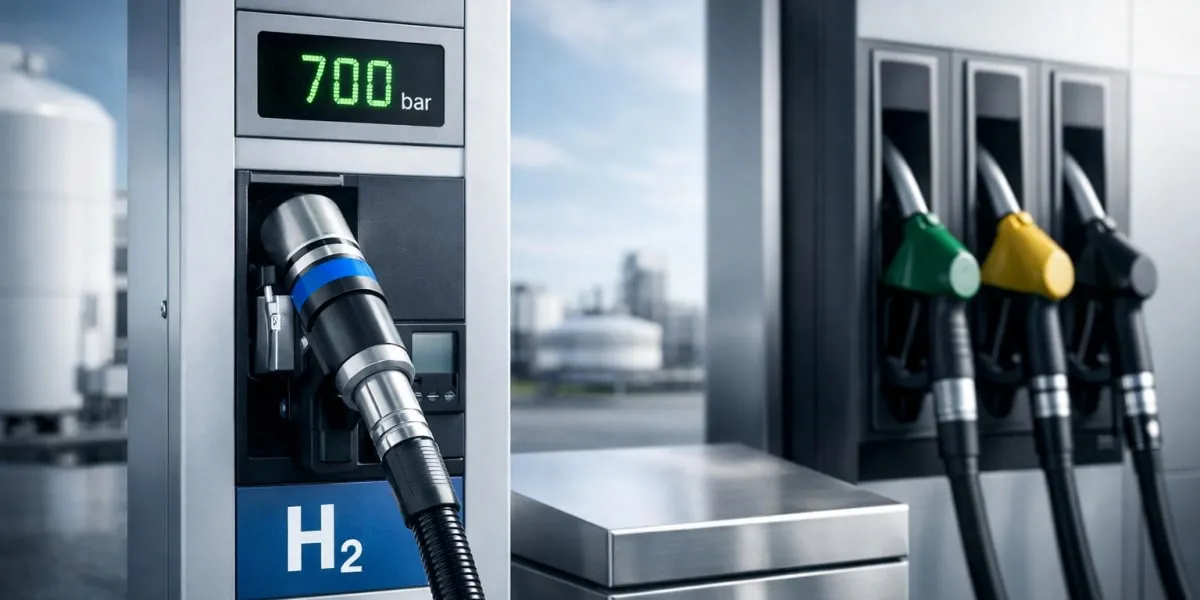
The government has broadened the scope of mandatory verification for fuel dispensers to include hydrogen and other clean fuels as part of measures to manage the energy transition. The move extends metrology and quality assurance frameworks that historically governed petrol and diesel dispensers to cover alternative fuels and associated dispensing technologies. The objective is to safeguard consumers, ensure accurate measurement in retail and industrial settings and support trusted transactions across new fuel markets. The regulatory update covers metering accuracy thresholds and verification intervals to reflect the distinct physical properties of these fuels.

Regulatory requirements will set technical specifications for calibration, accuracy tolerances and safety interlocks for dispensers handling hydrogen and various low carbon fuels. Manufacturers, equipment suppliers and retail operators will be required to secure certification from recognised testing bodies before placing dispensers into service. The change will also prompt updates to type approval processes and compliance documentation to reflect the properties of gaseous and blended fuels.

Implementation will involve phased verification cycles, on site inspections and laboratory testing by notified bodies to confirm metrological performance under real world conditions. Training of technical personnel and expansion of testing capacity at state and central laboratories will form part of the operational rollout. The requirement for clear labelling and documentation is intended to promote transparency for commercial users and end consumers. Stakeholders will adapt commercial contracts and maintenance schedules to incorporate verification outcomes.

By standardising measurement for hydrogen and clean fuels the policy aims to strengthen market confidence and facilitate wider adoption of low emission alternatives across transport and industry. The initiative will encourage investment in dispensing infrastructure while highlighting the need for coordinated safety and supply chain measures. The government framed the move as a technical enabler that aligns measurement practice with broader decarbonisation objectives. Implementation will be monitored centrally nationwide.

The government has broadened the scope of mandatory verification for fuel dispensers to include hydrogen and other clean fuels as part of measures to manage the energy transition. The move extends metrology and quality assurance frameworks that historically governed petrol and diesel dispensers to cover alternative fuels and associated dispensing technologies. The objective is to safeguard consumers, ensure accurate measurement in retail and industrial settings and support trusted transactions across new fuel markets. The regulatory update covers metering accuracy thresholds and verification intervals to reflect the distinct physical properties of these fuels. Regulatory requirements will set technical specifications for calibration, accuracy tolerances and safety interlocks for dispensers handling hydrogen and various low carbon fuels. Manufacturers, equipment suppliers and retail operators will be required to secure certification from recognised testing bodies before placing dispensers into service. The change will also prompt updates to type approval processes and compliance documentation to reflect the properties of gaseous and blended fuels. Implementation will involve phased verification cycles, on site inspections and laboratory testing by notified bodies to confirm metrological performance under real world conditions. Training of technical personnel and expansion of testing capacity at state and central laboratories will form part of the operational rollout. The requirement for clear labelling and documentation is intended to promote transparency for commercial users and end consumers. Stakeholders will adapt commercial contracts and maintenance schedules to incorporate verification outcomes. By standardising measurement for hydrogen and clean fuels the policy aims to strengthen market confidence and facilitate wider adoption of low emission alternatives across transport and industry. The initiative will encourage investment in dispensing infrastructure while highlighting the need for coordinated safety and supply chain measures. The government framed the move as a technical enabler that aligns measurement practice with broader decarbonisation objectives. Implementation will be monitored centrally nationwide.

Next Story
Infrastructure Urban

Puravankara Secures 14.57 Acre Parcel In Mandur Bengaluru

Puravankara has secured a 14.57-acre land parcel in Mandur, Budigere, Bengaluru, with a potential gross development value of Rs 23 billion (Rs 23 bn). Of this, seven point nine two acres will be developed under a joint development agreement, and six point six five acres have been purchased outright. The project is expected to yield one point eight million square feet (1.8 million square feet) of saleable area. The company's developable area in Bengaluru is reported at 25.61 million square feet (25.61 million square feet). The managing director said the acquisition forms part of efforts to add ..

Next Story
Infrastructure Urban

Royal Orchid Reports FY26 Results And Declares 25 Per Cent Dividend

Royal Orchid Hotels Limited announced audited financial results for the quarter and year ended 31 March 2026 and declared a 25 per cent dividend following board approval. The company, one of India’s fastest growing hospitality groups with 120 hotels nationwide, reported resilient performance driven by strategic portfolio expansion, improved operational efficiencies and robust demand across business and leisure markets. The board attributed results to steady revenue expansion and disciplined cost management. On a consolidated basis for FY26 total income rose to Rs 4.0643 billion (bn) from Rs ..

Next Story
Infrastructure Urban

Man Industries Delivers Record Margins And Strong FY26 Results

Man Industries (India) Limited (MAN Industries) reported results for the quarter and fiscal year ended 31 March 2026, delivering highest-ever standalone and consolidated EBITDA and PAT margins as the company optimised product and geographic mix and deepened its global order pipeline. Standalone revenue in the fourth quarter rose 36 per cent year-on-year to Rs 11.57 bn, while consolidated revenue grew 36.2 per cent on a like-for-like basis after adjusting for Rs 3.69 bn of one-time real estate income from Merino Shelters in the prior-year quarter. On a standalone basis FY26 EBITDA margin reache..

Advertisement

Subscribe to Our Newsletter

Get daily newsletters around different themes from Construction world.

STAY CONNECTED

Advertisement

Advertisement

Advertisement

-->