

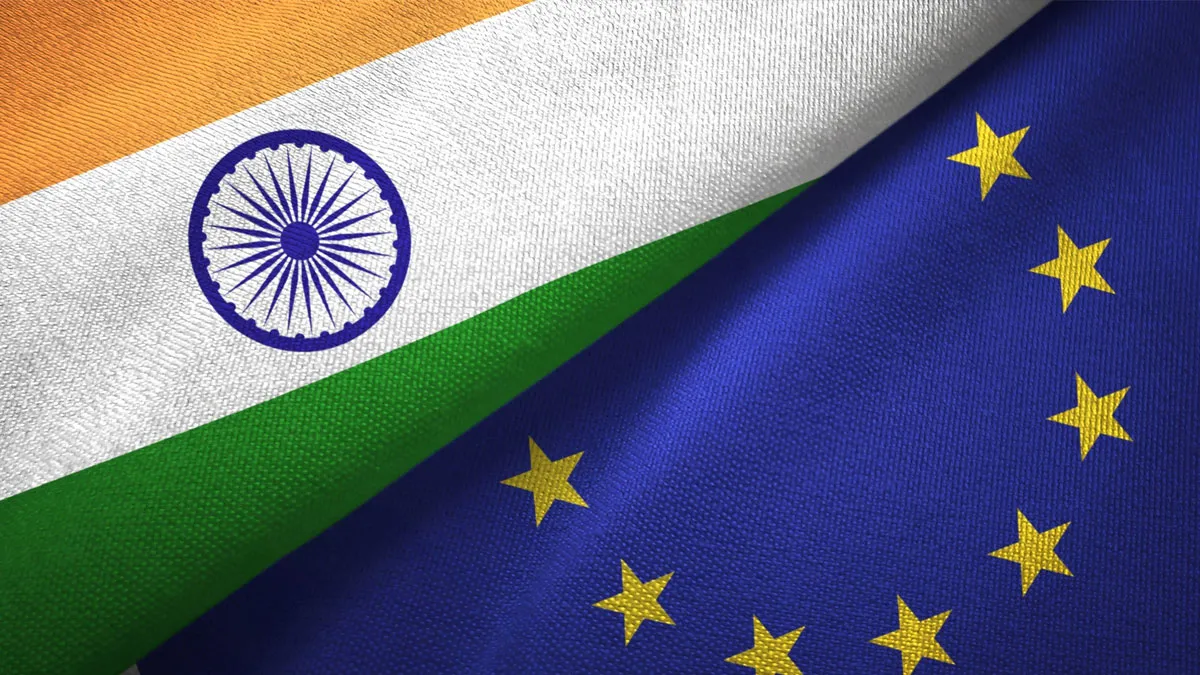



India and EU Deepen Cooperation on 6G Technologies
ECONOMY & POLICY

India and EU Deepen Cooperation on 6G Technologies

India and the European Union have reaffirmed their commitment to strengthening strategic cooperation in next-generation digital technologies, including 6G telecommunications, with a focus on security, trust and resilient global supply chains.

The commitment was highlighted in the Leaders’ Statement issued during the visit of European Commission President Ursula von der Leyen and the EU College of Commissioners to India on February 27–28, 2025. Leaders from both sides emphasised the rising importance of advanced and emerging technologies under the India–EU Trade and Technology Council framework.

The joint statement welcomed collaboration between the Bharat 6G Alliance and the European Union’s 6G Smart Networks and Services Industry Association, aimed at aligning research and innovation priorities for secure and future-ready 6G networks. The industry-led partnership is expected to strengthen diversified telecom supply chains while promoting openness, interoperability and security-by-design in next-generation communication systems.

India and the EU also stressed the importance of joint efforts in research and development, testing and standardisation of 6G technologies. Both sides reiterated their shared objective of shaping globally interoperable standards that foster innovation, competitiveness and inclusive digital growth.

The collaboration aligns with India’s national 6G vision led by the Department of Telecommunications and seeks to position the country as a global contributor to 6G technology development, while ensuring secure, affordable and sustainable digital infrastructure.

The enhanced partnership reflects a shared commitment to building a trusted and resilient global digital ecosystem that benefits citizens, industry and the broader international community.

In a broader strategic context, the joint agenda “Towards 2030: A Joint India–EU Comprehensive Strategic Agenda”, endorsed at the 16th India–EU Summit in New Delhi on January 27, 2026, aims to deepen cooperation on robust and secure digital infrastructure. The agenda also envisages closer collaboration to develop and promote trusted telecommunications ecosystems, including under the memorandum of understanding between the Bharat 6G Alliance and the EU’s 6G Smart Networks and Services Industry Association.

India and the European Union have reaffirmed their commitment to strengthening strategic cooperation in next-generation digital technologies, including 6G telecommunications, with a focus on security, trust and resilient global supply chains. The commitment was highlighted in the Leaders’ Statement issued during the visit of European Commission President Ursula von der Leyen and the EU College of Commissioners to India on February 27–28, 2025. Leaders from both sides emphasised the rising importance of advanced and emerging technologies under the India–EU Trade and Technology Council framework. The joint statement welcomed collaboration between the Bharat 6G Alliance and the European Union’s 6G Smart Networks and Services Industry Association, aimed at aligning research and innovation priorities for secure and future-ready 6G networks. The industry-led partnership is expected to strengthen diversified telecom supply chains while promoting openness, interoperability and security-by-design in next-generation communication systems. India and the EU also stressed the importance of joint efforts in research and development, testing and standardisation of 6G technologies. Both sides reiterated their shared objective of shaping globally interoperable standards that foster innovation, competitiveness and inclusive digital growth. The collaboration aligns with India’s national 6G vision led by the Department of Telecommunications and seeks to position the country as a global contributor to 6G technology development, while ensuring secure, affordable and sustainable digital infrastructure. The enhanced partnership reflects a shared commitment to building a trusted and resilient global digital ecosystem that benefits citizens, industry and the broader international community. In a broader strategic context, the joint agenda “Towards 2030: A Joint India–EU Comprehensive Strategic Agenda”, endorsed at the 16th India–EU Summit in New Delhi on January 27, 2026, aims to deepen cooperation on robust and secure digital infrastructure. The agenda also envisages closer collaboration to develop and promote trusted telecommunications ecosystems, including under the memorandum of understanding between the Bharat 6G Alliance and the EU’s 6G Smart Networks and Services Industry Association.

Next Story
Resources

Jyoti Structures Launches Heat Safety Drive Across Sites

Jyoti Structures (JSL) has strengthened heat safety measures across its project sites and manufacturing facilities as temperatures rise across India. The company has implemented a Summer Safety Plan covering all transmission line projects to address risks related to heat stress, dehydration and worker fatigue.The initiative includes rescheduling work away from peak afternoon temperatures, provision of drinking water, ORS and lemon-salt solutions, and installation of rest shelters near work areas. Daily toolbox talks, worker health monitoring, first-aid preparedness, emergency transport arrange..

Next Story
Real Estate

MHADA Declares 82 Buildings Most Dangerous in Central and South Mumbai

The Maharashtra Housing and Area Development Authority (MHADA) has declared 82 buildings as most dangerous across Central and South Mumbai and has appealed to residents to vacate immediately. The list, prepared after structural assessments by the authority, identifies buildings judged to pose imminent risk to occupants and to passersby. Local civic bodies have been asked to coordinate evacuations and to make arrangements for temporary shelter and rehabilitation for displaced households. Officials said the authority prioritised buildings with visible structural distress, severe cracking, tiltin..

Next Story
Infrastructure Transport

Damage Reported At Halwara Airport Terminal After First Rains

Severe damage was reported at the terminal of Halwara Airport during the first major rain spell of the season, prompting immediate concern among aviation and local authorities. Images from the site showed water ingress and visible deterioration of the terminal interior, affecting passenger areas and ancillary services. The airport authority suspended certain operations temporarily to assess structural safety and ensure passenger wellbeing. Preliminary inspections have prioritised electrical systems and roof seals to prevent further water ingress. State aviation officials ordered a formal inqui..

Advertisement

Subscribe to Our Newsletter

Get daily newsletters around different themes from Construction world.

STAY CONNECTED

Advertisement

Advertisement

Advertisement














