+
Infra development is key for making India a $5 tn economy
ECONOMY & POLICY

Infra development is key for making India a $5 tn economy

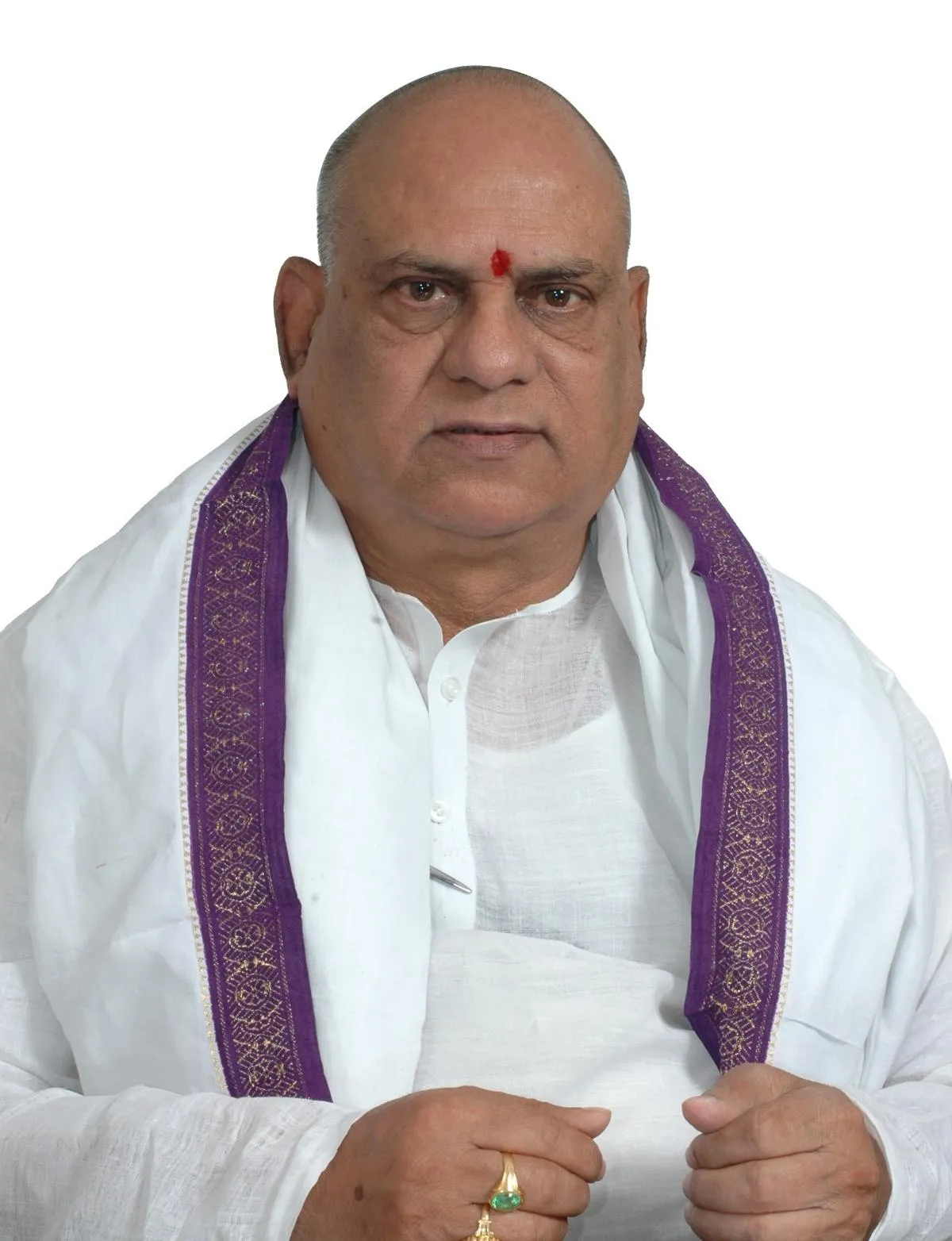
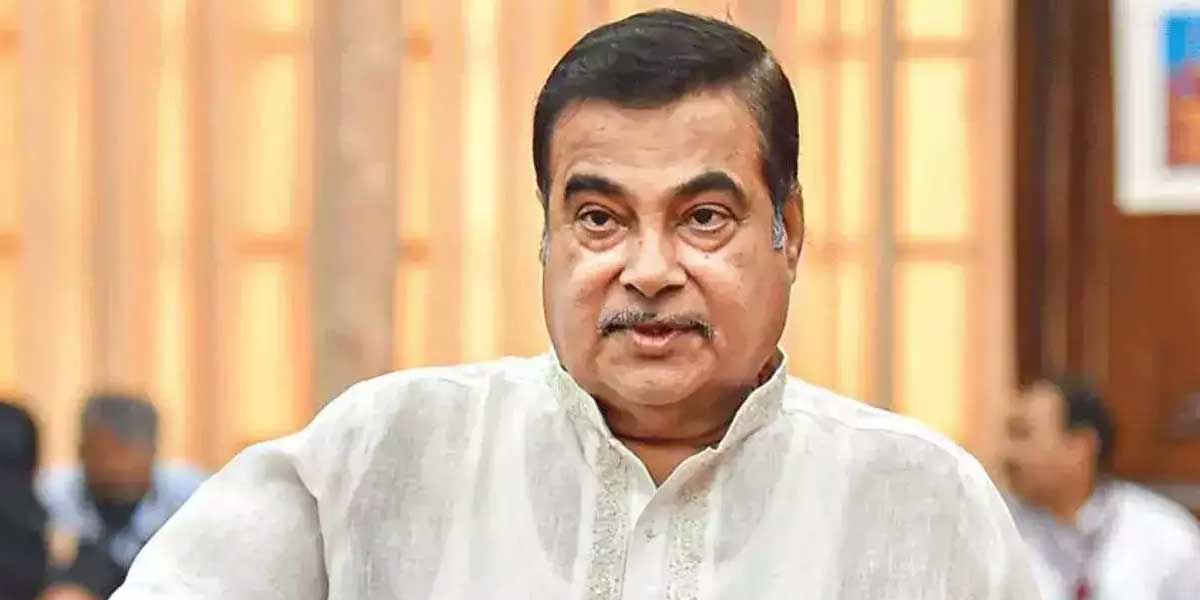
India's Prime Minister is fervently pursuing the vision of elevating the country to a $5 trillion economy, with a primary focus on robust infrastructure development. In his view, the cornerstone of this ambitious endeavor lies in addressing critical aspects such as water supply, power generation, transportation networks, and communication systems.

The Prime Minister underscores the indispensable connection between infrastructure development and catalyzing industrial growth and capital investments. A well-established infrastructure framework, he believes, is the catalyst for attracting industry and capital, both of which are prerequisites for generating employment opportunities. The ultimate goal, he emphasizes, is to eradicate poverty, a mission intricately linked to employment creation.

One significant initiative aligned with this vision is India's participation in the G20 Alliance for Biofuel. This alliance represents a substantial stride towards energy sustainability and self-reliance. India is already harnessing advanced technology to produce ethanol from a diverse range of sources, including sugarcane juice, molasses, various types of molasses (B-molasses, C-molasses), corn, food grains, rice, wheat, and even bamboo. Notably, a new ethanol production facility has been established in Panipat, specializing in the conversion of rice straw into ethanol.

Moreover, Indian Oil, a leading energy corporation, is poised to expand its biofuel efforts by producing not only ethanol but also bio-bitumen and bio-aviation fuel. The Prime Minister expresses optimism about future technological advancements, including the potential to convert carbon dioxide into ethanol, which could be a transformative development for the nation.

India's commitment to infrastructure development and sustainable energy solutions reflects its dedication to achieving economic growth and prosperity, aligning with the Prime Minister's overarching vision for the nation's future.

India's Prime Minister is fervently pursuing the vision of elevating the country to a $5 trillion economy, with a primary focus on robust infrastructure development. In his view, the cornerstone of this ambitious endeavor lies in addressing critical aspects such as water supply, power generation, transportation networks, and communication systems. The Prime Minister underscores the indispensable connection between infrastructure development and catalyzing industrial growth and capital investments. A well-established infrastructure framework, he believes, is the catalyst for attracting industry and capital, both of which are prerequisites for generating employment opportunities. The ultimate goal, he emphasizes, is to eradicate poverty, a mission intricately linked to employment creation. One significant initiative aligned with this vision is India's participation in the G20 Alliance for Biofuel. This alliance represents a substantial stride towards energy sustainability and self-reliance. India is already harnessing advanced technology to produce ethanol from a diverse range of sources, including sugarcane juice, molasses, various types of molasses (B-molasses, C-molasses), corn, food grains, rice, wheat, and even bamboo. Notably, a new ethanol production facility has been established in Panipat, specializing in the conversion of rice straw into ethanol. Moreover, Indian Oil, a leading energy corporation, is poised to expand its biofuel efforts by producing not only ethanol but also bio-bitumen and bio-aviation fuel. The Prime Minister expresses optimism about future technological advancements, including the potential to convert carbon dioxide into ethanol, which could be a transformative development for the nation. India's commitment to infrastructure development and sustainable energy solutions reflects its dedication to achieving economic growth and prosperity, aligning with the Prime Minister's overarching vision for the nation's future.

Related Stories

Gold Stories

Next Story
Infrastructure Transport

Mumbai-Ahmedabad Bullet Train’s Surat-Vapi Section Set for 2027

The first section of the Mumbai-Ahmedabad Bullet Train corridor, linking Surat and Vapi, is targeted to begin services in 2027. Construction is expected to be completed by December 2026, while Railway Minister Ashwini Vaishnaw has indicated that an inauguration could take place around the middle of 2027. The National High Speed Rail Corporation (NHSRCL) said the train being manufactured in India is expected to reach the tracks around April or May 2027. The train will undergo extensive testing before the section is opened for passenger services. The project began construction in 2021 and includ..

Next Story
Infrastructure Transport

Indian Railways Approves Four Projects Worth Rs. 7.36 bn Across Four States

Indian Railways has approved four projects with a combined value of Rs. 7.36 bn across Uttar Pradesh, Maharashtra, Andhra Pradesh and Gujarat. The programme covers train protection, signalling, electric traction supply and a road overbridge, with each project assigned to a different railway zone. In Uttar Pradesh, Rs. 2.52 bn has been approved to extend the Kavach 4.0 automatic train protection system across 607.7 km in the Lucknow Division of North Eastern Railway. The system monitors train movements and can apply the brakes if a driver fails to observe a signal or exceeds a safe speed. The w..

Next Story
Infrastructure Urban

Chandru Raheja Sells 1.49% Stake in Mindspace REIT for Rs. 5 bn

Billionaire Chandru Lachmandas Raheja has sold a 1.49 per cent holding in Mindspace Business Parks REIT for Rs. 5 bn through a bulk deal on the BSE. The transaction involved 9.9 mn units and was executed at an average price of Rs. 505 per unit, according to exchange data. Following the sale, units of Mindspace Business Parks REIT were trading 0.18 per cent lower at Rs. 504.05 on Tuesday. Exchange data did not identify the buyers involved in the transaction. Raheja is the chairman of real estate company K Raheja Corp. The sale involved 99,00,990 units, representing 1.49 per cent of the Mumbai-b..

Advertisement

Subscribe to Our Newsletter

Get daily newsletters around different themes from Construction world.

STAY CONNECTED

Advertisement

SPECIAL OFFER
QR Code