


+
Navi Mumbai Airport Launches DigiYatra Facility
ECONOMY & POLICY

Navi Mumbai Airport Launches DigiYatra Facility

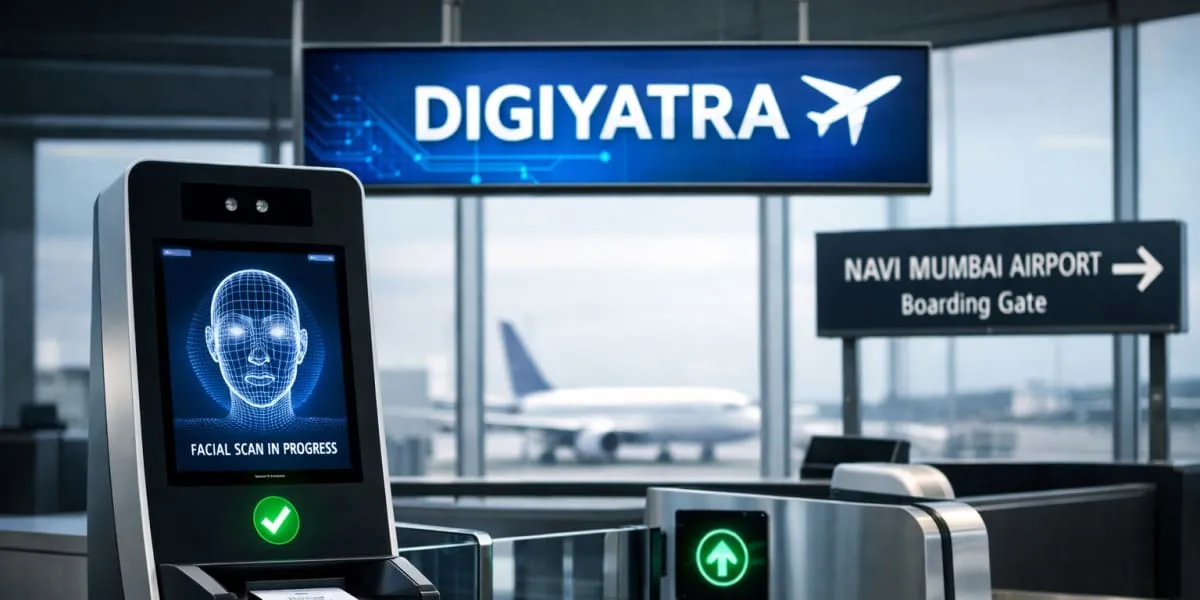
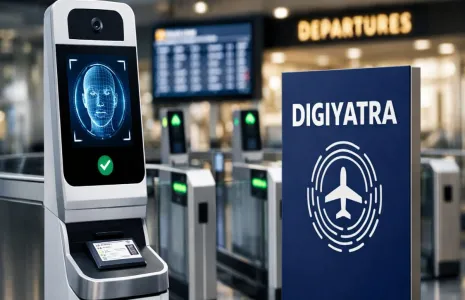
Navi Mumbai airport has launched a DigiYatra facility to enable biometric boarding and touchless passenger processing. The system is intended to expedite passenger flow and reduce queueing by replacing manual identity checks with facial recognition linked to a pre verified boarding pass. Airport officials said the move forms part of a wider effort to modernise passenger handling and enhance operational efficiency for airlines and ground staff. The scheme is expected to offer a more predictable experience for travellers and to reduce physical contact points.

Passengers will be able to register through a mobile application, complete a face verification step and obtain a biometric token that links their identity to their flight. Once registered, travellers may use the DigiYatra lanes for check in, security and boarding at participating terminals without repeated document checks. The programme is expected to integrate with other domestic airports that adopt compatible systems, allowing smoother transfers. Registration is intended to be voluntary and to require passenger consent before biometric data are enrolled.

The launch is anticipated to reduce dwell times at checkpoints and to improve punctuality for departures by streamlining routine procedures. Airport management indicated that system performance will be monitored and calibrated to ensure accuracy and speed, while maintaining compliance with data protection norms and aviation security regulations. Officials underlined that privacy safeguards and consent mechanisms would be part of the operational design. Stakeholders will track operational metrics and customer satisfaction to measure success.

Operational rollout will be phased and subject to evaluation by regulators and stakeholders, with passenger feedback guiding refinements. Airlines and ground handlers will collaborate with the airport to train staff and to adapt processes so benefits are realised across the passenger journey. The introduction of DigiYatra at Navi Mumbai is expected to contribute to a more seamless travel experience and to support the airport's ongoing efforts to upgrade infrastructure and services. Longer term plans may see wider adoption as systems are standardised across hubs.

Navi Mumbai airport has launched a DigiYatra facility to enable biometric boarding and touchless passenger processing. The system is intended to expedite passenger flow and reduce queueing by replacing manual identity checks with facial recognition linked to a pre verified boarding pass. Airport officials said the move forms part of a wider effort to modernise passenger handling and enhance operational efficiency for airlines and ground staff. The scheme is expected to offer a more predictable experience for travellers and to reduce physical contact points. Passengers will be able to register through a mobile application, complete a face verification step and obtain a biometric token that links their identity to their flight. Once registered, travellers may use the DigiYatra lanes for check in, security and boarding at participating terminals without repeated document checks. The programme is expected to integrate with other domestic airports that adopt compatible systems, allowing smoother transfers. Registration is intended to be voluntary and to require passenger consent before biometric data are enrolled. The launch is anticipated to reduce dwell times at checkpoints and to improve punctuality for departures by streamlining routine procedures. Airport management indicated that system performance will be monitored and calibrated to ensure accuracy and speed, while maintaining compliance with data protection norms and aviation security regulations. Officials underlined that privacy safeguards and consent mechanisms would be part of the operational design. Stakeholders will track operational metrics and customer satisfaction to measure success. Operational rollout will be phased and subject to evaluation by regulators and stakeholders, with passenger feedback guiding refinements. Airlines and ground handlers will collaborate with the airport to train staff and to adapt processes so benefits are realised across the passenger journey. The introduction of DigiYatra at Navi Mumbai is expected to contribute to a more seamless travel experience and to support the airport's ongoing efforts to upgrade infrastructure and services. Longer term plans may see wider adoption as systems are standardised across hubs.

Next Story
Infrastructure Urban

We’ve cut 50,000 tonnes of carbon emmissions since 2019

MatchLog is challenging a decades-old logistics norm and empty container miles by directly matching import flows with export demand. Indeed, the platform is unlocking measurable cost savings, cutting emissions and driving structural change in landside operations. Dhruv Taneja, Founder and Global CEO, outlines the quantified impact, adoption  journey and the evolving future of container reuse in an exclusive interview with Construction World. MatchLog has partnered with carriers such as Maersk, ONE and HMM in India. Could you share quantified outcomes from one specific corri..

Next Story
Infrastructure Transport

Airports: Capacity is Key

A lotus-inspired terminal design in Navi Mumbai International Airport. A terminal in a garden in Bengaluru’s Kempegowda International Airport. A peacock-inspired canopy in Chhatrapati Shivaji Maharaj International Airport. A nature-inspired terminal in Guwahati’s Lokpriya Gopinath Bordoloi International Airport.Truly, “India’s airports are no longer constrained by architectural ambition,” avers Ravikanth Mididhodi, Chief Technical Officer, J&F, a German-based engineering firm with over 25 years of global legacy in delivering advanced engineering and BIM services for air..

Next Story
Real Estate

In 2025, Amaravati attracted ₹ 28,075 crore in investments

In an exclusive interview with Construction World, Kanna Babu, IAS, Commissioner, Andhra Pradesh Capital Region Development Authority (APCRDA), reveals how Amaravati is entering a decisive new phase of capital city development. With 36 MoUs worth ₹ 45,589 crore, a ₹ 58,000 crore tender pipeline, and rising institutional investments, he explains the strategic execution, infrastructure rollout, and governance framework driving Amaravati’s emergence as a structured, investment-ready, and future-focused capital.APCRDA has recently secured major financial tie-ups, including loans from NA..

Advertisement

Subscribe to Our Newsletter

Get daily newsletters around different themes from Construction world.

STAY CONNECTED

Advertisement

Advertisement

Advertisement

Open In App