Delhi CM Inaugurates 120 Mist Spray Systems At IGI Airport
AVIATION & AIRPORTS

Delhi CM Inaugurates 120 Mist Spray Systems At IGI Airport

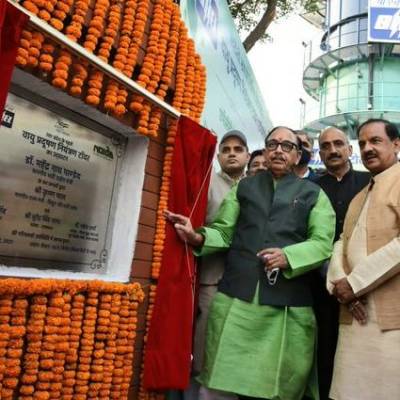
Delhi Chief Minister Rekha Gupta inaugurated 120 mist spray systems installed by the GMR Group (GMR) at the Indira Gandhi International Airport (IGI Airport) on February 14 as part of government efforts to control air pollution and improve the environment for passengers. South Delhi Member of Parliament Ramvir Singh Bidhuri, Bijwasan Member of the Legislative Assembly Kailash Gahlot and GMR director Narayan Rao Kada were among the dignitaries present. The installation is intended to provide immediate dust suppression and to strengthen the airport's environmental credentials.

She stated that the IGI Airport is the busiest airport in the national capital region and is expected to surpass the 100 mn passenger mark and emerge as the world’s fifth-largest airport in the coming years. The mist systems are expected to deliver an improved air quality experience for travellers and to strengthen the capital's environmental image while reflecting corporate social responsibility. The Chief Minister added that cooperation between government and private institutions accelerates the pace of development.

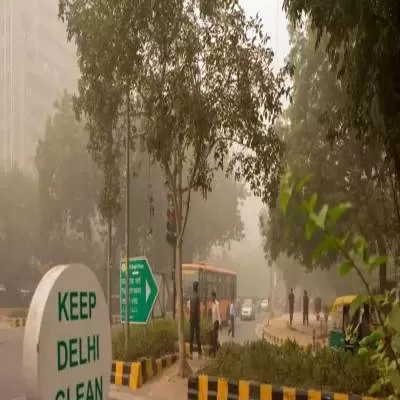
The administration intends to expand the mist system to 600 poles in future to strengthen dust control at the airport and surrounding areas. Delhi's government is pursuing scientific short-term, mid-term and long-term strategies to tackle pollution, including installation of mist spray systems on major roads and at 143 elevated Metro stations. The real-time air quality monitoring network will be expanded to 46 Metro stations, making it the largest such network in any city in the country, and the Vayu Rakshak initiative will ensure strict compliance with pollution control norms.

Other planned measures include fully electrifying the public bus fleet by 2029 and expanding the Metro network, developing electric vehicle charging infrastructure, deploying over 1,000 water sprinklers across the city and implementing AI-based dust monitoring at construction sites. Officials expect these initiatives to reduce pollution and to help realise the goal of making Delhi one of the most liveable cities in the country. The government reaffirmed commitment to clean air, green transport and sustainable growth and indicated that sustained efforts in this direction will continue.

Delhi Chief Minister Rekha Gupta inaugurated 120 mist spray systems installed by the GMR Group (GMR) at the Indira Gandhi International Airport (IGI Airport) on February 14 as part of government efforts to control air pollution and improve the environment for passengers. South Delhi Member of Parliament Ramvir Singh Bidhuri, Bijwasan Member of the Legislative Assembly Kailash Gahlot and GMR director Narayan Rao Kada were among the dignitaries present. The installation is intended to provide immediate dust suppression and to strengthen the airport's environmental credentials. She stated that the IGI Airport is the busiest airport in the national capital region and is expected to surpass the 100 mn passenger mark and emerge as the world’s fifth-largest airport in the coming years. The mist systems are expected to deliver an improved air quality experience for travellers and to strengthen the capital's environmental image while reflecting corporate social responsibility. The Chief Minister added that cooperation between government and private institutions accelerates the pace of development. The administration intends to expand the mist system to 600 poles in future to strengthen dust control at the airport and surrounding areas. Delhi's government is pursuing scientific short-term, mid-term and long-term strategies to tackle pollution, including installation of mist spray systems on major roads and at 143 elevated Metro stations. The real-time air quality monitoring network will be expanded to 46 Metro stations, making it the largest such network in any city in the country, and the Vayu Rakshak initiative will ensure strict compliance with pollution control norms. Other planned measures include fully electrifying the public bus fleet by 2029 and expanding the Metro network, developing electric vehicle charging infrastructure, deploying over 1,000 water sprinklers across the city and implementing AI-based dust monitoring at construction sites. Officials expect these initiatives to reduce pollution and to help realise the goal of making Delhi one of the most liveable cities in the country. The government reaffirmed commitment to clean air, green transport and sustainable growth and indicated that sustained efforts in this direction will continue.

Next Story
Infrastructure Urban

Lemon Tree Hotels Signs Resort In Lonavala Maharashtra

Lemon Tree Hotels Limited (LTHL) has signed a licence agreement for Lemon Tree Resort in Lonavala, Maharashtra, with the asset to be managed by Carnation Hotels Private Limited, a wholly owned subsidiary of LTHL. The resort will offer 50 well appointed rooms and will include a restaurant, banquet, meeting room, swimming pool, spa and fitness centre. The company described the addition as part of its strategy to expand branded resort offerings in key getaway destinations. Lonavala, located in the Sahyadri hills, is a popular leisure destination in western India known for scenic landscapes and a ..

Next Story
Infrastructure Urban

Kalai Chettinad Art And Architecture Festival At The Lotus Palace

The Lotus Palace Chettinad will host Kalai, the Chettinad Art and Architecture Festival, a four-day, three-night immersive celebration of the artistic legacy of Chettinad from three to six April 2026. The event has been organised by Apeejay Surrendra Park Hotels Limited (ASPHL) and will take place across restored heritage properties in Chettinad. It will be designed to offer guests a layered experience of place, structure and story that connects art, architecture and living traditions. The festival aims to present a confluence of global influences and local aesthetics. Kalai has been curated i..

Next Story
Infrastructure Energy

SJVN Reaches One bn Units At 1,000 MW Bikaner Solar Project

SJVN Limited (SJVN) has reached a milestone with its 1,000 megawatt (MW) Bikaner Solar Power Project by generating one bn units of electricity on 20 March 2026. The achievement underscores the company's role in supplying clean and sustainable energy to the national grid. The generation milestone was recorded within months of the project commencing operations and highlights rapid performance from the new facility. The Bikaner project, located in Bikaner district of Rajasthan, has been developed and implemented by SJVN Green Energy Limited (SGEL) under the Central Public Sector Undertaking Schem..

Advertisement

Subscribe to Our Newsletter

Get daily newsletters around different themes from Construction world.

STAY CONNECTED

Advertisement

Advertisement

Advertisement