+
Anakkampoyil Kalladi Meppadi Tunnel Road Inauguration
ROADS & HIGHWAYS

Anakkampoyil Kalladi Meppadi Tunnel Road Inauguration

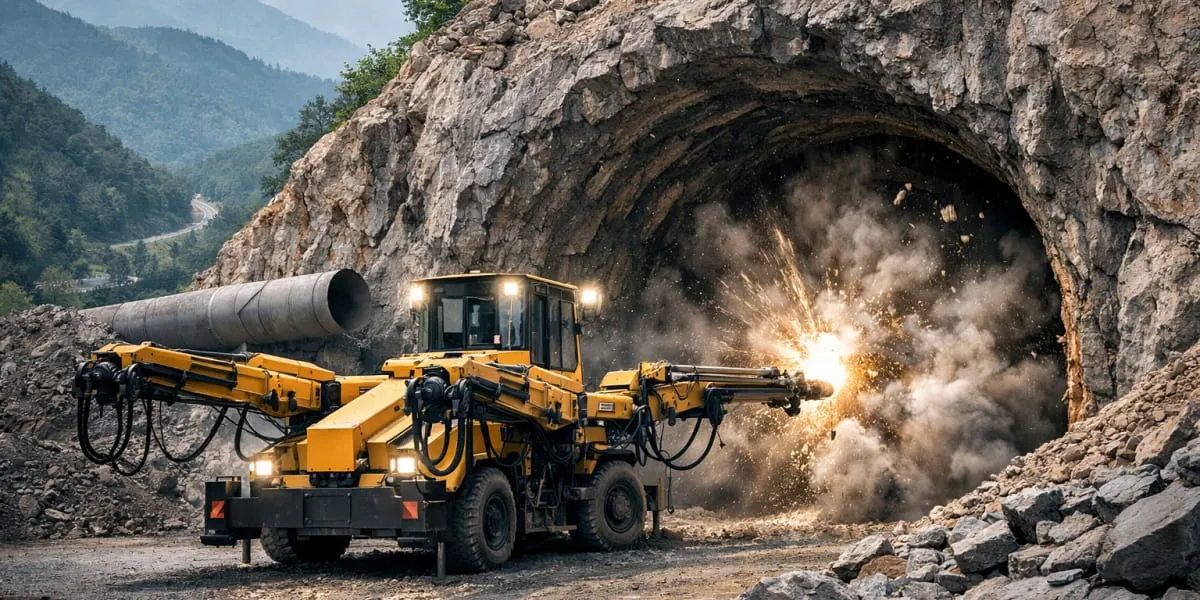
The Chief Minister will inaugurate the switch-on ceremony of the first blast of the Anakkampoyil-Kalladi-Meppadi tunnel road project at 11 am in the Marippuzha project area, intended to accelerate development in the hilly terrain of Wayanad and Kozhikode districts. He had earlier inaugurated work on the tunnel on August 31, 2025.

Rock drilling machines including rock drill boomers have been delivered to Marippuzha and drilling will commence in the Swargam Kunnu area before proceeding to the Kalladi area of Wayanad. Drilling will follow a cut-and-cover method using Australian technology in which the initial section is drilled and the rock is broken to prepare the path. The operation will begin only after careful examination of rock structure and strength and authorities have put in place strict safety arrangements.

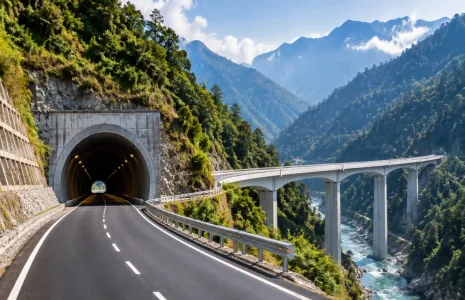
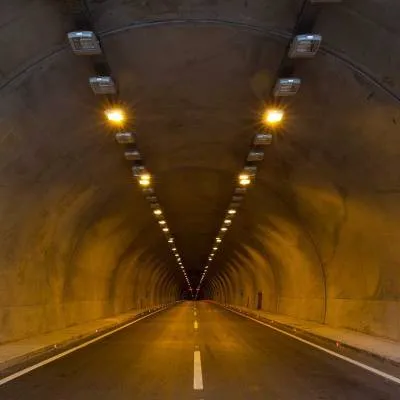
The scheme envisages a four-lane tunnel road with a length of eight point seven three kilometres, including the approach road from Marippuzha to Meenakshi Bridge, of which eight point one one kilometres are double tunnels and each tunnel has two lanes. The alignment includes five point five eight kilometres in Wayanad district and three point one five kilometres in Kozhikode, cross passages connecting the double tunnels every 300 metres, and six curves on the route. A new bridge of 70 metres will provide access to Swargam Kunnu where the tunnel begins across Marippuzha and, after crossing the bridge and walking 200 metres, people will be able to enter the tunnel. The tunnel width is 10 metres and the distance between the tunnels is 15 metres.

The land required for the project totals 33 hectares, including 5,771 metres through forest area and 2,964 metres on private land. The track is being constructed for Rs 20,430 million (mn) under KIIFB with Konkan Rail Corporation as the implementing agency and the overall project cost is Rs 21,340 million (mn), with an expected completion by 2030. Officials say the schedule and safety protocols aim to minimise risk while enabling the tunnelling work to proceed.

The Chief Minister will inaugurate the switch-on ceremony of the first blast of the Anakkampoyil-Kalladi-Meppadi tunnel road project at 11 am in the Marippuzha project area, intended to accelerate development in the hilly terrain of Wayanad and Kozhikode districts. He had earlier inaugurated work on the tunnel on August 31, 2025. Rock drilling machines including rock drill boomers have been delivered to Marippuzha and drilling will commence in the Swargam Kunnu area before proceeding to the Kalladi area of Wayanad. Drilling will follow a cut-and-cover method using Australian technology in which the initial section is drilled and the rock is broken to prepare the path. The operation will begin only after careful examination of rock structure and strength and authorities have put in place strict safety arrangements. The scheme envisages a four-lane tunnel road with a length of eight point seven three kilometres, including the approach road from Marippuzha to Meenakshi Bridge, of which eight point one one kilometres are double tunnels and each tunnel has two lanes. The alignment includes five point five eight kilometres in Wayanad district and three point one five kilometres in Kozhikode, cross passages connecting the double tunnels every 300 metres, and six curves on the route. A new bridge of 70 metres will provide access to Swargam Kunnu where the tunnel begins across Marippuzha and, after crossing the bridge and walking 200 metres, people will be able to enter the tunnel. The tunnel width is 10 metres and the distance between the tunnels is 15 metres. The land required for the project totals 33 hectares, including 5,771 metres through forest area and 2,964 metres on private land. The track is being constructed for Rs 20,430 million (mn) under KIIFB with Konkan Rail Corporation as the implementing agency and the overall project cost is Rs 21,340 million (mn), with an expected completion by 2030. Officials say the schedule and safety protocols aim to minimise risk while enabling the tunnelling work to proceed.

Next Story
Infrastructure Urban

Implementation Status of Jal Jeevan Mission

Since August 2019 the Government has implemented Jal Jeevan Mission to provide assured potable water through household tap connections in rural India. At the start of the mission only 32.3 million (mn) rural households, representing 16.7 per cent, were reported to have tap water connections. States and union territories have reported that 125.8 mn additional rural households have since been provided with tap connections. As a result, of about 193.6 mn rural households roughly 158.2 mn, or 81.71 per cent, are reported to have tap water supply at home.\n\nThe State, district and village level st..

Next Story
Infrastructure Urban

Jal Jeevan Mission Reaches Eighty One Per Cent Rural Coverage

The Government reported substantial progress under the Jal Jeevan Mission, launched in August 2019 to provide tap water to every rural household. At launch only 32.3 million (mn) rural households had tap connections and states and Union territories reported provision of 125.8 mn additional households by March 2026. Consequently, out of about 193.6 mn rural households around 158.2 mn, or 81.71 per cent, are reported to have tap water at home. The Finance Minister announced extension of the mission until 2028 in the 2025-26 budget speech. The Swachh Bharat Mission Grameen, launched in October 20..

Next Story
Infrastructure Urban

Empowering Local Governance for Sustainable Rural Water Supply

The Ministry of Jal Shakti has aligned the Jal Jeevan Mission (JJM) with the 73rd Amendment to strengthen village level planning and community ownership of water supply. Gram Panchayats, village water and sanitation committees and Pani Samitis are to plan, implement, manage and maintain piped water systems, with gram sabha processes formalising handover and oversight. Implementation support agencies including non government organisations, community based organisations and self help groups have been empanelled to train local committees and promote women participation. Under JJM, the department ..

Advertisement

Subscribe to Our Newsletter

Get daily newsletters around different themes from Construction world.

STAY CONNECTED

Advertisement

Advertisement

Advertisement