India-Nepal Trade Ties Strengthened by New Highway Project
ROADS & HIGHWAYS

India-Nepal Trade Ties Strengthened by New Highway Project

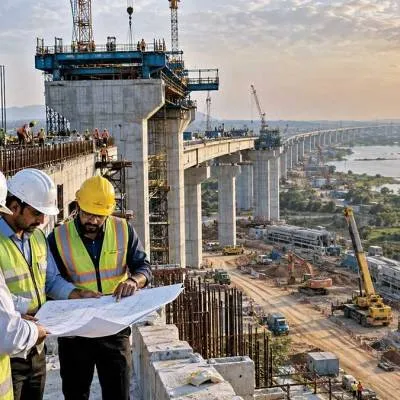
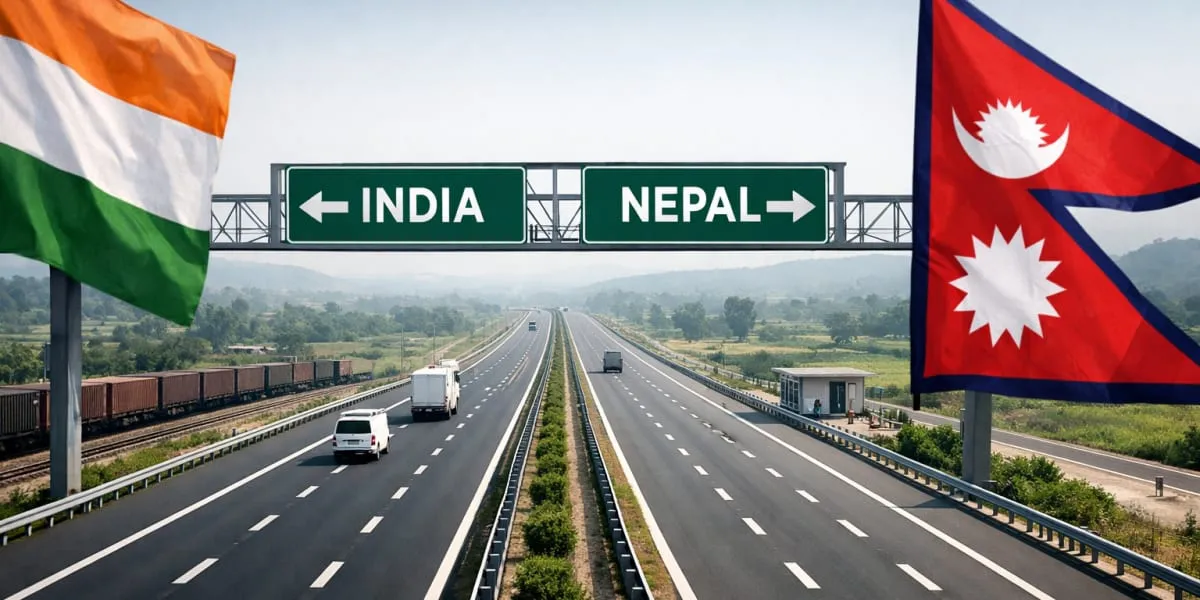
The Union Cabinet has approved construction of the four-lane access-controlled Barabanki-Bahraich section of National Highway 927, according to a release from the Ministry of Road Transport and Highways. The project is described as transformative for cross-border commerce and regional livelihoods and aims to enhance economic cooperation between India and Nepal. The development is expected to strengthen transport infrastructure along a strategic corridor linking markets in Uttar Pradesh with the Rupaidiha-Nepalguni border crossing.

India is identified as Nepal's largest trading partner, accounting for more than sixty per cent of Nepal's total trade volume, and the Rupaidiha-Nepalguni route handles the bulk of exports from India to Nepal. The new National Highway 927 is expected to provide faster and more reliable connectivity, with trade through the route anticipated to grow significantly in coming years. Officials predict that improved road links will support existing commercial flows and encourage new logistical investments.

The highway project is projected to reduce transportation time by nearly fifty per cent, cutting travel duration between Barabanki and Bahraich from about 150 minutes to 75 minutes and increasing vehicle speeds from 40 kmph to 80 kmph. Such gains in efficiency are likely to lower transit costs and reduce spoilage of perishable agricultural and food products, including rice, wheat, vegetables and dairy. The quicker transit will therefore deliver direct benefits to farmers and small traders by improving the reliability of supplies to Nepali markets.

The upgraded corridor will also complement development of logistics facilities at Rupaidiha, where daily truck movement is expected to rise significantly and create demand for warehousing, transport services and other logistics businesses. Local economies in border districts are anticipated to see more business opportunities, increased employment in transport and hospitality sectors, and better access to healthcare, education and markets. The project is presented as a means to deepen bilateral economic ties and to deliver tangible gains for traders, producers and consumers on both sides of the border.

The Union Cabinet has approved construction of the four-lane access-controlled Barabanki-Bahraich section of National Highway 927, according to a release from the Ministry of Road Transport and Highways. The project is described as transformative for cross-border commerce and regional livelihoods and aims to enhance economic cooperation between India and Nepal. The development is expected to strengthen transport infrastructure along a strategic corridor linking markets in Uttar Pradesh with the Rupaidiha-Nepalguni border crossing. India is identified as Nepal's largest trading partner, accounting for more than sixty per cent of Nepal's total trade volume, and the Rupaidiha-Nepalguni route handles the bulk of exports from India to Nepal. The new National Highway 927 is expected to provide faster and more reliable connectivity, with trade through the route anticipated to grow significantly in coming years. Officials predict that improved road links will support existing commercial flows and encourage new logistical investments. The highway project is projected to reduce transportation time by nearly fifty per cent, cutting travel duration between Barabanki and Bahraich from about 150 minutes to 75 minutes and increasing vehicle speeds from 40 kmph to 80 kmph. Such gains in efficiency are likely to lower transit costs and reduce spoilage of perishable agricultural and food products, including rice, wheat, vegetables and dairy. The quicker transit will therefore deliver direct benefits to farmers and small traders by improving the reliability of supplies to Nepali markets. The upgraded corridor will also complement development of logistics facilities at Rupaidiha, where daily truck movement is expected to rise significantly and create demand for warehousing, transport services and other logistics businesses. Local economies in border districts are anticipated to see more business opportunities, increased employment in transport and hospitality sectors, and better access to healthcare, education and markets. The project is presented as a means to deepen bilateral economic ties and to deliver tangible gains for traders, producers and consumers on both sides of the border.

Next Story
Infrastructure Urban

Panasonic Showcases Connected Display Solutions

Panasonic Life Solutions India showcased its integrated display, projection, broadcast and communication technologies at Panasonic Tech Summit 2026 in New Delhi. Hosted through its System Solutions Division, the two-day event highlighted connected technology solutions for education, healthcare, retail, transportation, corporate offices and entertainment.The summit, themed ‘Turning Technology into Value’, featured experience-led zones covering QSR, retail, transit, corporate offices, healthcare, education, security, projection, home theatre and professional displays. Panasonic also introduc..

Next Story
Infrastructure Transport

Kapsch to Deliver India’s First C-ITS Project

"Kapsch TrafficCom will deliver India’s first Cooperative Intelligent Transport Systems project on a key expressway near New Delhi. The project will be implemented with Superwave Communication And Infrasolution Limited to demonstrate how connected mobility can improve road safety and traffic efficiency.The pilot will use real-time connectivity and AI-enabled situational awareness to support road users, especially in high-risk areas such as temporary work zones. Drivers will receive alerts on roadworks, maintenance vehicles, hazardous locations, traffic queues and temporary virtual signage di..

Next Story
Infrastructure Urban

Eurobond Net Profit Rises 44 Per Cent

Euro Panel Products, the parent company of Eurobond, reported a 44.13 per cent year-on-year rise in net profit for FY25–26. The company’s revenue from operations grew 18.91 per cent to Rs 503.20 crore, compared to Rs 423.18 crore in the previous financial year.The company’s full-year EBITDA stood at Rs 56.67 crore, marking a 31.82 per cent increase. Profit after tax rose to Rs 26.56 crore, while net worth increased 20.15 per cent to Rs 160.07 crore. Earnings per share for the year stood at Rs 10.84.Divyam Rajesh Shah, Whole Time Director and CFO, Euro Panel Products, said the company’s..

Advertisement

Subscribe to Our Newsletter

Get daily newsletters around different themes from Construction world.

STAY CONNECTED

Advertisement

Advertisement

Advertisement

-->