100 Metre Steel Bridge Completed in Ahmedabad for Bullet Train
RAILWAYS & METRO RAIL

100 Metre Steel Bridge Completed in Ahmedabad for Bullet Train

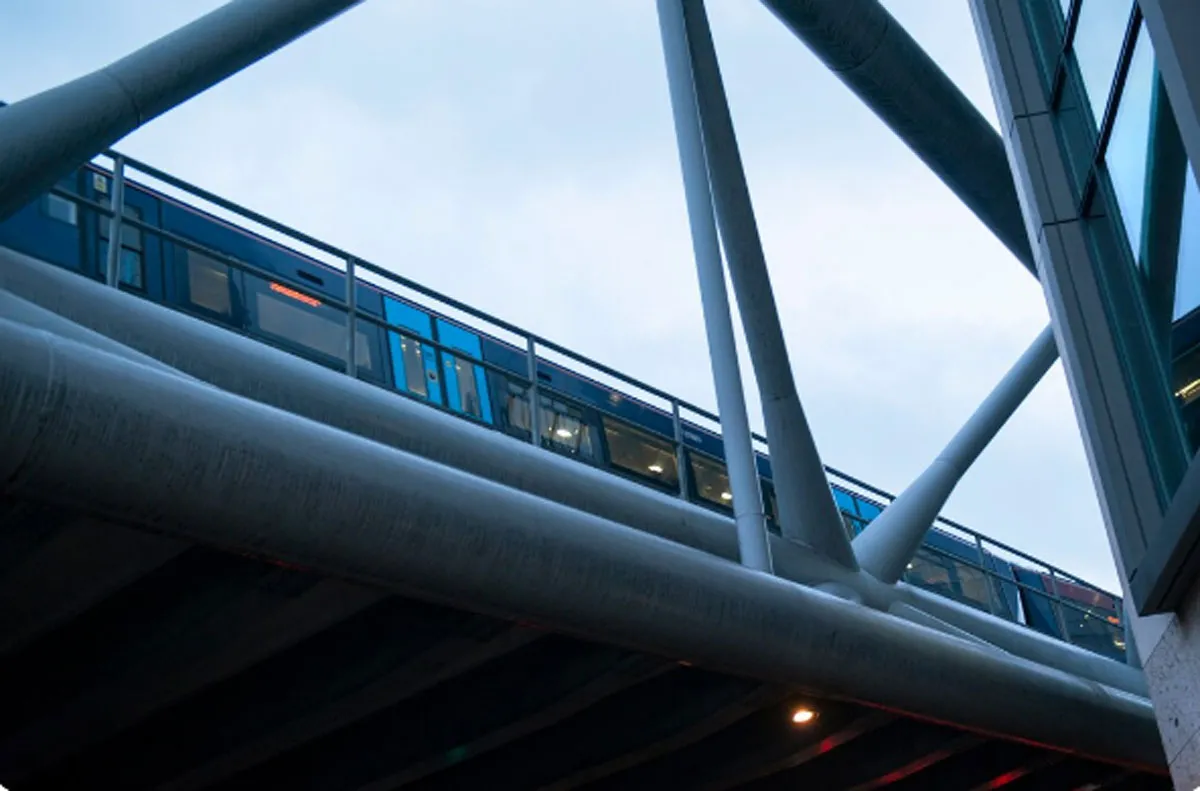
A 100 metre (m) long steel bridge has been completed over an underground metro tunnel in Ahmedabad district for the Mumbai–Ahmedabad Bullet Train Project. The structure is the 13th steel bridge to be finished in Gujarat out of 17 planned for the project in the state. The bridge was delivered as part of the corridor works and the completion was presented as a targeted engineering solution to protect existing metro infrastructure.

The Bullet Train viaduct in Ahmedabad is being built using span-by-span structures with spans typically ranging from 30 to 50 m, but the alignment at this location passes over the underground metro tunnel that links Kalupur and Shahpur stations. To ensure that no load from the Bullet Train structure would be transferred to the metro tunnel, foundations were kept well away from the tunnel and the span length was increased to about 100 m. The superstructure was therefore redesigned from a span-by-span viaduct to a Steel Truss Bridge to secure safety for both corridors.

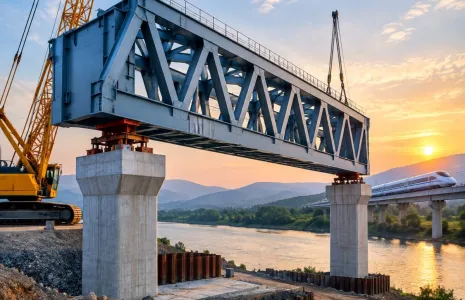
The bridge was assembled at a height of 16.5 m on temporary trestles and, after assembly, temporary supports were dismantled as the structure was lowered and placed on the permanent support system to ensure structural accuracy. Weighing 1098 tonne (t), the steel bridge sits parallel to the Ahmedabad Sabarmati main line of Western Railways and measures 14 m in height and 15.5 m in width. The main elements were fabricated in a workshop in Wardha, Maharashtra and were transported to the site on trailers.

To facilitate assembly a temporary platform measuring 11.5×100 m was constructed and the main structure was connected using approximately 45,186 Tor-Shear Type High Strength bolts with a C5 system protective paint and elastomeric bearings for enhanced durability. The bridge incorporates Make in India fabrication and finishing processes and is expected to contribute to long term operational safety of the corridor. Project teams highlighted that the design and execution approach prioritised both the Bullet Train alignment and the protection of the metro tunnel.

A 100 metre (m) long steel bridge has been completed over an underground metro tunnel in Ahmedabad district for the Mumbai–Ahmedabad Bullet Train Project. The structure is the 13th steel bridge to be finished in Gujarat out of 17 planned for the project in the state. The bridge was delivered as part of the corridor works and the completion was presented as a targeted engineering solution to protect existing metro infrastructure. The Bullet Train viaduct in Ahmedabad is being built using span-by-span structures with spans typically ranging from 30 to 50 m, but the alignment at this location passes over the underground metro tunnel that links Kalupur and Shahpur stations. To ensure that no load from the Bullet Train structure would be transferred to the metro tunnel, foundations were kept well away from the tunnel and the span length was increased to about 100 m. The superstructure was therefore redesigned from a span-by-span viaduct to a Steel Truss Bridge to secure safety for both corridors. The bridge was assembled at a height of 16.5 m on temporary trestles and, after assembly, temporary supports were dismantled as the structure was lowered and placed on the permanent support system to ensure structural accuracy. Weighing 1098 tonne (t), the steel bridge sits parallel to the Ahmedabad Sabarmati main line of Western Railways and measures 14 m in height and 15.5 m in width. The main elements were fabricated in a workshop in Wardha, Maharashtra and were transported to the site on trailers. To facilitate assembly a temporary platform measuring 11.5×100 m was constructed and the main structure was connected using approximately 45,186 Tor-Shear Type High Strength bolts with a C5 system protective paint and elastomeric bearings for enhanced durability. The bridge incorporates Make in India fabrication and finishing processes and is expected to contribute to long term operational safety of the corridor. Project teams highlighted that the design and execution approach prioritised both the Bullet Train alignment and the protection of the metro tunnel.

Next Story
Resources

Jyoti Structures Launches Heat Safety Drive Across Sites

Jyoti Structures (JSL) has strengthened heat safety measures across its project sites and manufacturing facilities as temperatures rise across India. The company has implemented a Summer Safety Plan covering all transmission line projects to address risks related to heat stress, dehydration and worker fatigue.The initiative includes rescheduling work away from peak afternoon temperatures, provision of drinking water, ORS and lemon-salt solutions, and installation of rest shelters near work areas. Daily toolbox talks, worker health monitoring, first-aid preparedness, emergency transport arrange..

Next Story
Real Estate

MHADA Declares 82 Buildings Most Dangerous in Central and South Mumbai

The Maharashtra Housing and Area Development Authority (MHADA) has declared 82 buildings as most dangerous across Central and South Mumbai and has appealed to residents to vacate immediately. The list, prepared after structural assessments by the authority, identifies buildings judged to pose imminent risk to occupants and to passersby. Local civic bodies have been asked to coordinate evacuations and to make arrangements for temporary shelter and rehabilitation for displaced households. Officials said the authority prioritised buildings with visible structural distress, severe cracking, tiltin..

Next Story
Infrastructure Transport

Damage Reported At Halwara Airport Terminal After First Rains

Severe damage was reported at the terminal of Halwara Airport during the first major rain spell of the season, prompting immediate concern among aviation and local authorities. Images from the site showed water ingress and visible deterioration of the terminal interior, affecting passenger areas and ancillary services. The airport authority suspended certain operations temporarily to assess structural safety and ensure passenger wellbeing. Preliminary inspections have prioritised electrical systems and roof seals to prevent further water ingress. State aviation officials ordered a formal inqui..

Advertisement

Subscribe to Our Newsletter

Get daily newsletters around different themes from Construction world.

STAY CONNECTED

Advertisement

Advertisement

Advertisement