Aimtron Electronics Enters Railway Signalling Systems Segment
RAILWAYS & METRO RAIL

Aimtron Electronics Enters Railway Signalling Systems Segment

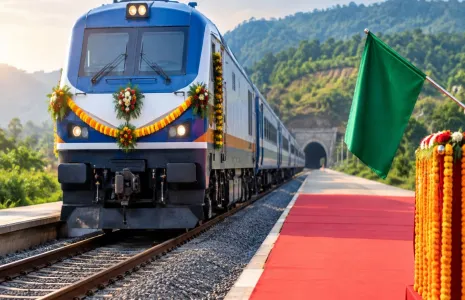
Aimtron Electronics has recently entered the railway signalling and train safety systems segment through an arrangement with an established Indian technology provider specialising in mission-critical rail solutions. The move marks Aimtron’s expansion into high-reliability electronics for Indian railway and metro networks.

Railway signalling electronics is a high-entry-barrier segment, requiring long qualification cycles, rigorous certification and strict compliance with safety norms. The Indian railway equipment market is projected to grow to nearly USD 15.9 billion by 2030, driven by sustained investments in signalling, communication and safety technologies. Aimtron stated that its entry aligns with its strategy to move beyond conventional EMS work into complex, high-reliability electronics manufacturing.

Under the partnership, Aimtron Electronics will handle manufacturing, system integration, testing and quality assurance of safety-critical signalling electronics for rail and metro applications. These systems are designed to meet stringent reliability, redundancy and Safety Integrity Level (SIL) requirements mandated for mission-critical infrastructure. The relevance of advanced signalling solutions is reinforced by India’s ongoing deployment of Automatic Train Protection technologies such as Kavach.

Commenting on the development, Sneh Shah, Whole Time Director, Aimtron Electronic, said railway signalling is a process-led segment that demands strong quality systems, documentation and audit discipline, with consistent execution being more critical than speed as programmes scale.

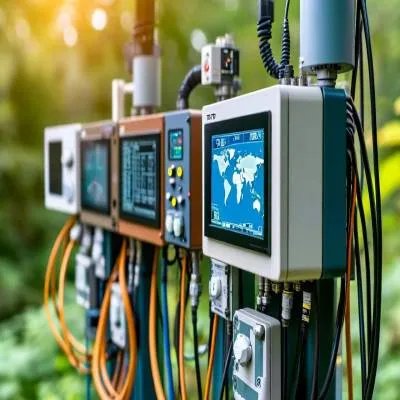
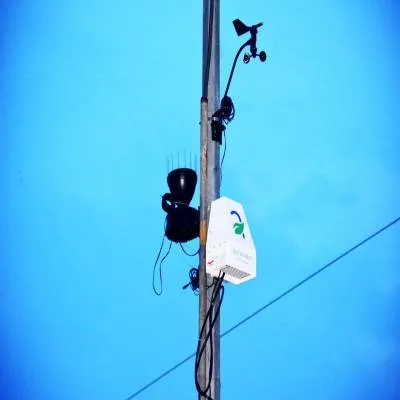
The company has earlier delivered regulated infrastructure monitoring solutions, including environmental and weather intelligence platforms for public and industrial use. This latest expansion strengthens Aimtron’s footprint in regulated electronics manufacturing while diversifying its exposure across infrastructure-led sectors.

Aimtron Electronics has recently entered the railway signalling and train safety systems segment through an arrangement with an established Indian technology provider specialising in mission-critical rail solutions. The move marks Aimtron’s expansion into high-reliability electronics for Indian railway and metro networks. Railway signalling electronics is a high-entry-barrier segment, requiring long qualification cycles, rigorous certification and strict compliance with safety norms. The Indian railway equipment market is projected to grow to nearly USD 15.9 billion by 2030, driven by sustained investments in signalling, communication and safety technologies. Aimtron stated that its entry aligns with its strategy to move beyond conventional EMS work into complex, high-reliability electronics manufacturing. Under the partnership, Aimtron Electronics will handle manufacturing, system integration, testing and quality assurance of safety-critical signalling electronics for rail and metro applications. These systems are designed to meet stringent reliability, redundancy and Safety Integrity Level (SIL) requirements mandated for mission-critical infrastructure. The relevance of advanced signalling solutions is reinforced by India’s ongoing deployment of Automatic Train Protection technologies such as Kavach. Commenting on the development, Sneh Shah, Whole Time Director, Aimtron Electronic, said railway signalling is a process-led segment that demands strong quality systems, documentation and audit discipline, with consistent execution being more critical than speed as programmes scale. The company has earlier delivered regulated infrastructure monitoring solutions, including environmental and weather intelligence platforms for public and industrial use. This latest expansion strengthens Aimtron’s footprint in regulated electronics manufacturing while diversifying its exposure across infrastructure-led sectors.

Related Stories

Gold Stories

Next Story
Resources

Schindler named among Forbes’ World’s Best Employers 2026

Schindler has been named among Forbes’ World’s Best Employers 2026, a global ranking recognising companies for their workplace environments.Compiled by Forbes in partnership with Statista, the ranking is based on independent employee feedback, including whether employees would recommend their organisation to friends and family.The company said the recognition reflected its focus on creating a workplace where employees can develop their expertise and build careers. ..

Next Story
Infrastructure Urban

India needs an export-execution mindset: Vishesh Jain

Interview with Vishesh Jain, Founder & CEO, EximpleWhat gaps in India’s global trade ecosystem led you to build Eximple, and what problem did you see businesses struggling with most?Eximple came out of a problem that all three founders had seen from different choke points in the trade ecosystem. India has millions of MSMEs and manufacturers, and many of them can make products that are genuinely competitive on quality. Yet only a small fraction is able to build meaningful international businesses. In our experience, the gap is usually not manufacturing capability; it is the ability to exe..

Next Story
Building Material

Nuvoco reports 13.5% revenue growth in Q2 FY27

Nuvoco Vistas Corp. Ltd. reported consolidated revenue of Rs 27.9 billion for Q2 FY27, up 13.5% year on year. Cement sales volume rose 9% to 4.7 million tonnes (MMT), while EBITDA increased 11% to Rs 4.11 billion.The company said it began its cement operations in 2014 with a 2.3 MMT per annum (MMTPA) operation at Nimbol. It now aims to reach 35 MMTPA of cement capacity by FY28, nearly 15 times its initial capacity. Its portfolio spans cement, ready-mix concrete and modern building materials.On sustainability and cost efficiency, Nuvoco partnered with CleanMax for a 46.4 MW wind-solar hybrid re..

Advertisement

Subscribe to Our Newsletter

Get daily newsletters around different themes from Construction world.

STAY CONNECTED

Advertisement

SPECIAL OFFER
QR Code