Central Vista Metro Corridor Takes Shape as DMRC Begins Construction
RAILWAYS & METRO RAIL

Central Vista Metro Corridor Takes Shape as DMRC Begins Construction

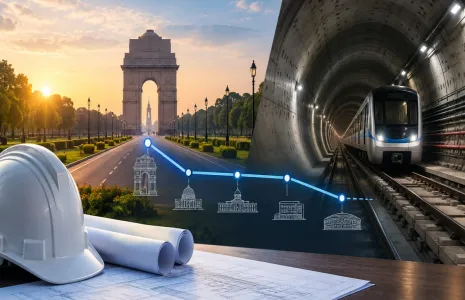
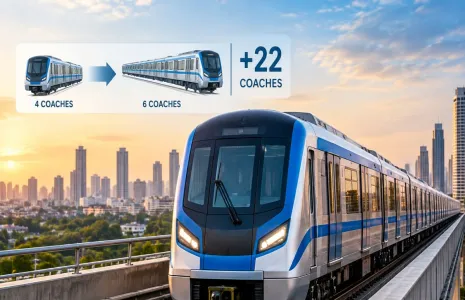
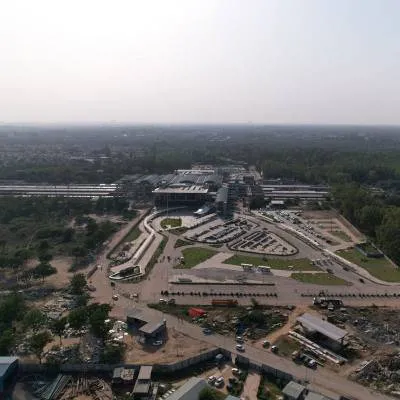
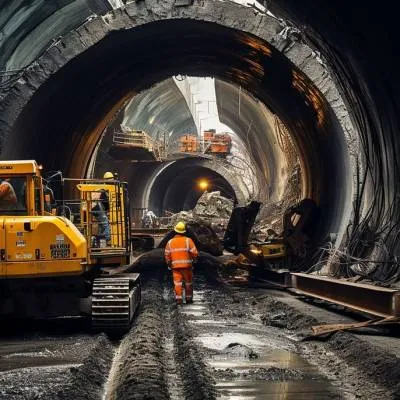
Delhi Metro Rail Corporation (DMRC) has commenced construction on the Central Vista Metro Corridor, a project to connect the central administrative district with surrounding transport hubs and public spaces. The commencement marks the start of civil works that include station construction, viaducts and utility relocation. The corridor will integrate with existing metro lines and aim to improve commuter access to government offices, cultural sites and ceremonial grounds. Authorities described the work as a key component of broader urban infrastructure renewal.\n\nProject teams have mobilised equipment and established site offices near proposed station locations. Engineers will carry out piling, substructure and superstructure activities while coordinating traffic management and environmental safeguards. Contractors are implementing measures to control dust, noise and water runoff and to preserve adjacent heritage structures. The DMRC has stated that construction scheduling will minimise disruption to public events and daily civic operations.\n\nDesign elements include barrier free access, platform screen doors where appropriate and pedestrian linkages to bus and rail interchanges. Utility relocation works are proceeding in consultation with municipal agencies to protect services for residents and businesses. The corridor alignment incorporates provisions for landscaping and public realm improvements at station precincts to enhance street level experience. Procurement and contract oversight arrangements follow established norms for transparency and technical compliance.\n\nCity planners noted that the corridor will support multimodal journeys and reduce surface traffic congestion by offering additional mass transit capacity. Stakeholders emphasised the importance of timely coordination among civil, utility and heritage agencies to meet construction milestones. Funding and budgetary allocations for the works have been secured through the project authority and partners, with financial oversight mechanisms in place. The DMRC will report progress at regular intervals to project stakeholders.

Delhi Metro Rail Corporation (DMRC) has commenced construction on the Central Vista Metro Corridor, a project to connect the central administrative district with surrounding transport hubs and public spaces. The commencement marks the start of civil works that include station construction, viaducts and utility relocation. The corridor will integrate with existing metro lines and aim to improve commuter access to government offices, cultural sites and ceremonial grounds. Authorities described the work as a key component of broader urban infrastructure renewal.\n\nProject teams have mobilised equipment and established site offices near proposed station locations. Engineers will carry out piling, substructure and superstructure activities while coordinating traffic management and environmental safeguards. Contractors are implementing measures to control dust, noise and water runoff and to preserve adjacent heritage structures. The DMRC has stated that construction scheduling will minimise disruption to public events and daily civic operations.\n\nDesign elements include barrier free access, platform screen doors where appropriate and pedestrian linkages to bus and rail interchanges. Utility relocation works are proceeding in consultation with municipal agencies to protect services for residents and businesses. The corridor alignment incorporates provisions for landscaping and public realm improvements at station precincts to enhance street level experience. Procurement and contract oversight arrangements follow established norms for transparency and technical compliance.\n\nCity planners noted that the corridor will support multimodal journeys and reduce surface traffic congestion by offering additional mass transit capacity. Stakeholders emphasised the importance of timely coordination among civil, utility and heritage agencies to meet construction milestones. Funding and budgetary allocations for the works have been secured through the project authority and partners, with financial oversight mechanisms in place. The DMRC will report progress at regular intervals to project stakeholders.

Related Stories

Gold Stories

Next Story
Infrastructure Urban

KONE Opens India's First Digital Experience Centre in Pune

KONE, a global elevator and escalator manufacturer, has inaugurated its first Digital Experience Centre (DEC) in India, located in Pune. The facility aims to showcase how artificial intelligence (AI), connectivity and data-driven technologies can enhance customer experiences and improve building operations.The centre was inaugurated by Jussi Herlin, Executive Vice Chair, KONE Corporation; Philippe Delorme, President and CEO, KONE; and Nandan Nilekani, Co-founder and Chairman of the Board, Infosys.Designed as an interactive customer environment, the facility demonstrates digital solutions cover..

Next Story
Infrastructure Urban

CII GreenCo Launches Circularity Guidelines for Indian Industry

The Confederation of Indian Industry (CII) GreenCo Council has launched the CII GreenCo Circularity Guidelines – Pilot Version at the 17th CII GreenCo Waste & Resource Management Summit 2026 in Chennai. The initiative aims to strengthen resource efficiency, waste reduction and circular economy practices across Indian manufacturing and process industries.The guidelines introduce a structured framework with circularity indices covering raw materials, consumables, packaging and other resource inputs. These indicators will help industries assess existing practices, identify opportunities to ..

Next Story
Infrastructure Energy

Global Electronics Association Launches IPC-1783-CO2E Standard

The Global Electronics Association has introduced IPC-1783-CO2E, a new international standard aimed at improving consistency, transparency and comparability in product carbon footprint reporting across the electronics manufacturing industry.The standard, titled International Standard for Data Collection and Reporting of CO2 Equivalent (CO2e) Emissions for the Electronics Manufacturing Supply Chain, provides industry-specific guidance for collecting, estimating and reporting carbon emissions data.With increasing regulatory requirements and customer expectations, electronics manufacturers face c..

Advertisement

Subscribe to Our Newsletter

Get daily newsletters around different themes from Construction world.

STAY CONNECTED

Advertisement

SPECIAL OFFER
QR Code