DMRC Partners Bharat Taxi to Boost Last-Mile Metro Connectivity
RAILWAYS & METRO RAIL

DMRC Partners Bharat Taxi to Boost Last-Mile Metro Connectivity

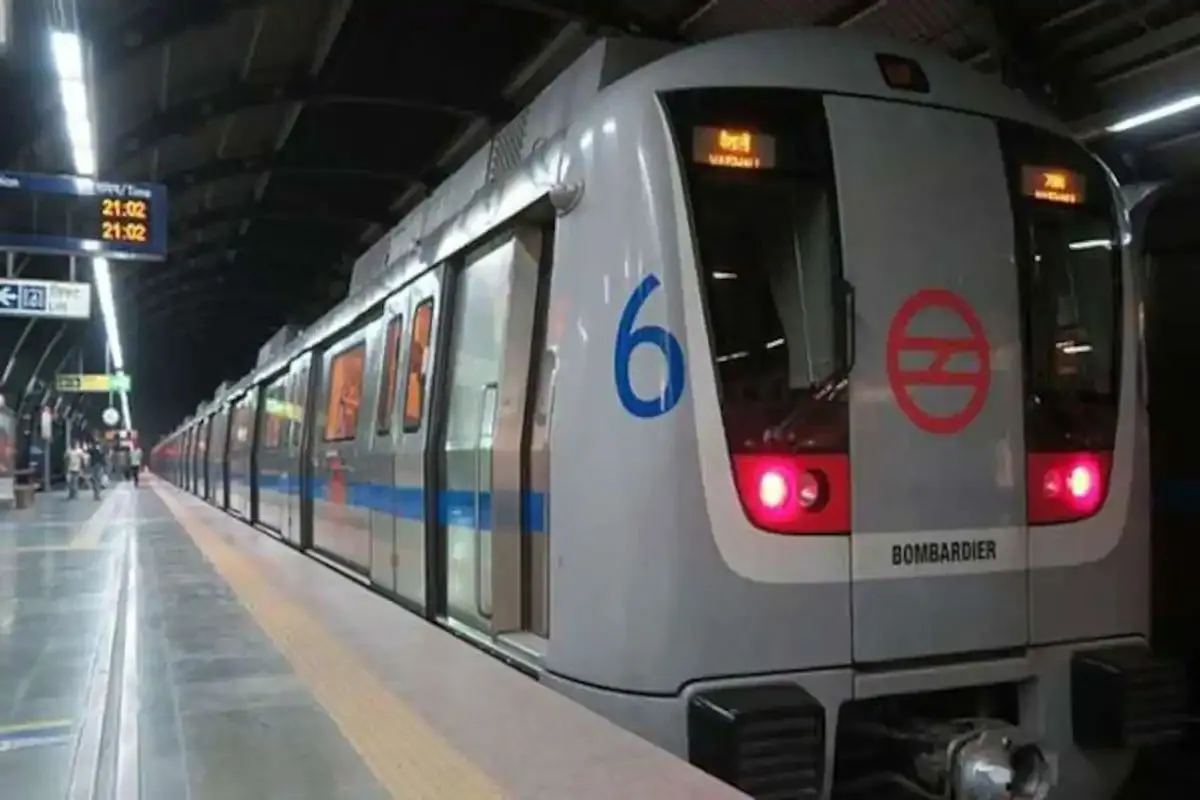
In a move to strengthen last-mile connectivity for metro commuters, the Delhi Metro Rail Corporation (DMRC) has signed a memorandum of understanding (MoU) with Bharat Taxi to roll out Integrated Last Mile Connectivity (LMC) services across selected stations. The initiative is aligned with the vision of the Ministry of Housing and Urban Affairs (MoHUA) to improve first- and last-mile access to public transport systems.

The agreement has been signed with Sahkar Taxi Cooperative, a multi-State cooperative that operates the “Bharat Taxi” mobility platform. Under the partnership, commuters will be offered organised and technology-enabled last-mile travel options from metro stations, including bike taxis, auto-rickshaws and cabs.

According to a senior DMRC official, the collaboration aims to provide affordable, reliable and safe last-mile transport, giving passengers multiple choices based on distance, time, cost and convenience. The initiative is also expected to reduce reliance on unorganised and informal modes of transport around metro stations.

In the initial phase, Sahkar Taxi will operate services from 10 identified metro stations using a marketplace or aggregator model. As part of the pilot programme, dedicated bike taxi services will be deployed at two stations—Millennium City Centre and Botanical Garden—by January 31, 2026. The pilot phase will be used to assess commuter response, operational feasibility and overall service effectiveness before scaling up the initiative.

To ensure a seamless travel experience, the Bharat Taxi mobile application will be integrated with DMRC’s Sarthi app. This will allow commuters to plan, book and access metro and last-mile services through a single digital platform.

Fare levels under the programme will remain competitive with prevailing market rates. While peak-hour pricing may be applied based on demand, fare surges will be capped to maintain affordability and protect passenger interests.

DMRC has previously experimented with feeder buses and bike taxi services to address last-mile challenges, but these initiatives saw limited success. The new partnership is expected to offer a more flexible and commuter-friendly solution through digital integration and multiple mobility options.

News source: The Hindu

In a move to strengthen last-mile connectivity for metro commuters, the Delhi Metro Rail Corporation (DMRC) has signed a memorandum of understanding (MoU) with Bharat Taxi to roll out Integrated Last Mile Connectivity (LMC) services across selected stations. The initiative is aligned with the vision of the Ministry of Housing and Urban Affairs (MoHUA) to improve first- and last-mile access to public transport systems.The agreement has been signed with Sahkar Taxi Cooperative, a multi-State cooperative that operates the “Bharat Taxi” mobility platform. Under the partnership, commuters will be offered organised and technology-enabled last-mile travel options from metro stations, including bike taxis, auto-rickshaws and cabs.According to a senior DMRC official, the collaboration aims to provide affordable, reliable and safe last-mile transport, giving passengers multiple choices based on distance, time, cost and convenience. The initiative is also expected to reduce reliance on unorganised and informal modes of transport around metro stations.In the initial phase, Sahkar Taxi will operate services from 10 identified metro stations using a marketplace or aggregator model. As part of the pilot programme, dedicated bike taxi services will be deployed at two stations—Millennium City Centre and Botanical Garden—by January 31, 2026. The pilot phase will be used to assess commuter response, operational feasibility and overall service effectiveness before scaling up the initiative.To ensure a seamless travel experience, the Bharat Taxi mobile application will be integrated with DMRC’s Sarthi app. This will allow commuters to plan, book and access metro and last-mile services through a single digital platform.Fare levels under the programme will remain competitive with prevailing market rates. While peak-hour pricing may be applied based on demand, fare surges will be capped to maintain affordability and protect passenger interests.DMRC has previously experimented with feeder buses and bike taxi services to address last-mile challenges, but these initiatives saw limited success. The new partnership is expected to offer a more flexible and commuter-friendly solution through digital integration and multiple mobility options.News source: The Hindu

Next Story
Infrastructure Energy

Cabinet Clears Rs 25.85 Billion Small Hydro Scheme

The Union Cabinet, chaired by Prime Minister Shri Narendra Modi, has approved the Small Hydro Power (SHP) Development Scheme for FY 2026–27 to FY 2030–31, with an outlay of Rs 25.85 billion to support installation of around 1,500 MW capacity.The scheme targets projects of 1–25 MW across states, with a focus on hilly and North Eastern regions. Central financial assistance of Rs 36 million per MW or 30 per cent of project cost (capped at Rs 300 million per project) will be provided for North Eastern and border districts. For other states, support will be Rs 24 million per MW or 20 per cent..

Next Story
Products

Panasonic Launches SIP Video Intercom System

Panasonic Life Solutions India has launched its VL-VQ Series SIP-based IP Video Intercom System, aimed at enhancing security and access management across modern residential developments. Designed for apartments, gated communities and large housing projects, the system offers a three-layered security framework integrating residences, building entrances and central security operations. It combines door stations, lobby display units, room monitors, guard stations and central management software into a unified platform, enabling real-time monitoring and communication. The system supports multipl..

Next Story
Real Estate

Mindspace REIT Tops Global Environmental Rankings

Mindspace Business Parks REIT has secured the No. 1 global rank for Environmental Performance in the 2025 S&P Global Corporate Sustainability Assessment (CSA) and has been recognised among the top 10 per cent of global performers in the S&P Global Sustainability Yearbook 2026. The REIT achieved the highest Environmental Dimension score of 84, ranking first among 379 global real estate companies. It has also been elevated from a Sustainability Yearbook Member to Industry Distinction 2026, reflecting its position among the top-performing global peers. Mindspace REIT recorded an overall..

Advertisement

Subscribe to Our Newsletter

Get daily newsletters around different themes from Construction world.

STAY CONNECTED

Advertisement

Advertisement

Advertisement