Elevated Corridor to Halve Chennai to Tirupati Travel Time
RAILWAYS & METRO RAIL

Elevated Corridor to Halve Chennai to Tirupati Travel Time

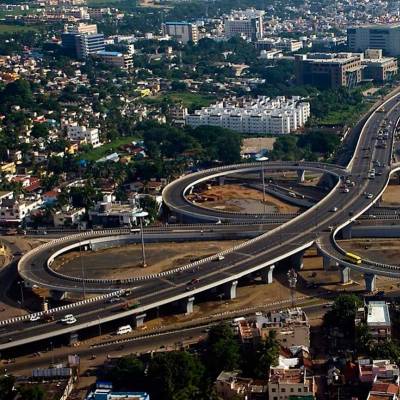
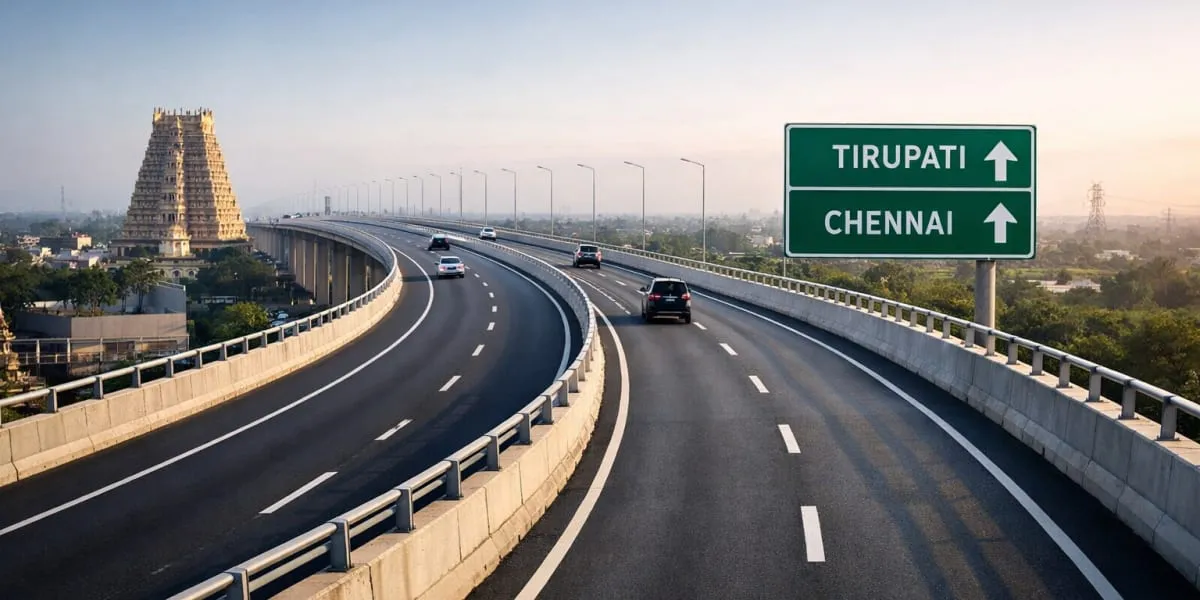
The Tamil Nadu government has announced plans to build a four or six?lane elevated corridor along the congested Padi?Thirunindravur stretch of the Chennai?Tiruvallur Highway, aimed at substantially reducing travel times. Officials said the proposed roadway would be the longest elevated corridor in the state and could halve the journey time to Tirupati from Chennai.

The scheme covers a 22 km section where officials said travel time across the stretch could fall from 90 minutes to 25 minutes, and the trip to Tirupati could be reduced from three hours to 90 minutes. Widening of the existing carriageway will precede construction of the elevated structure to create sufficient working space.

State highways officials noted that the Padi?Thirunindravur portion of the Chennai?Tirupati National Highway was handed to the National Highways Authority of India (NHAI) in 2012 and that road?widening plans were shelved after local opposition more than 13 years ago. They added that a Rs 1.53 bn allocation for land acquisition had been made a few years earlier and that acquisition was completed in Thirumullaivoyal and other locations.

Officials said the corridor will require a minimum carriageway width of 80?90 ft in places and that widening works will be taken up where feasible, with religious structures and shops among the major constraints. The department has replaced earlier proposals for a series of flyovers at Korattur?Padi, Ambattur Industrial Estate and Avadi and expects consultants to be appointed to carry out a feasibility study and prepare a detailed project report.

The existing four?lane road carries 0.15 mn vehicles daily and faces severe congestion, with freight movement causing gridlocks and localised dust pollution in north?western suburbs. Officials also noted that an 18 km access?controlled stretch between Thiruninravur and Tiruvallur has opened and that work on a 44 km section towards the Tamil Nadu–Andhra Pradesh border is about 30 per cent complete and is expected to finish by December.

The Tamil Nadu government has announced plans to build a four or six?lane elevated corridor along the congested Padi?Thirunindravur stretch of the Chennai?Tiruvallur Highway, aimed at substantially reducing travel times. Officials said the proposed roadway would be the longest elevated corridor in the state and could halve the journey time to Tirupati from Chennai. The scheme covers a 22 km section where officials said travel time across the stretch could fall from 90 minutes to 25 minutes, and the trip to Tirupati could be reduced from three hours to 90 minutes. Widening of the existing carriageway will precede construction of the elevated structure to create sufficient working space. State highways officials noted that the Padi?Thirunindravur portion of the Chennai?Tirupati National Highway was handed to the National Highways Authority of India (NHAI) in 2012 and that road?widening plans were shelved after local opposition more than 13 years ago. They added that a Rs 1.53 bn allocation for land acquisition had been made a few years earlier and that acquisition was completed in Thirumullaivoyal and other locations. Officials said the corridor will require a minimum carriageway width of 80?90 ft in places and that widening works will be taken up where feasible, with religious structures and shops among the major constraints. The department has replaced earlier proposals for a series of flyovers at Korattur?Padi, Ambattur Industrial Estate and Avadi and expects consultants to be appointed to carry out a feasibility study and prepare a detailed project report. The existing four?lane road carries 0.15 mn vehicles daily and faces severe congestion, with freight movement causing gridlocks and localised dust pollution in north?western suburbs. Officials also noted that an 18 km access?controlled stretch between Thiruninravur and Tiruvallur has opened and that work on a 44 km section towards the Tamil Nadu–Andhra Pradesh border is about 30 per cent complete and is expected to finish by December.

Related Stories

Gold Stories
Next Story
Infrastructure Urban

Bajaj Auto to Raise Monthly Electric 2W Capacity to 80,000 by March

Bajaj Auto plans to raise monthly production capacity for electric two-wheelers to around 80,000 units by the end of March, as demand for its Chetak electric scooter continues to exceed available output. The company currently has capacity for around 60,000 electric two-wheelers a month. Joint Managing Director Rakesh Sharma said production had returned to the existing full capacity after a supply chain disruption affected output. The issue had reduced recent production to around 40,000 units, resulting in a shortfall of 20,000 vehicles despite strong demand. The company expects to remove produ..

Next Story
Infrastructure Transport

India’s Domestic Air Passenger Traffic Falls 6.5% in September

India’s domestic air passenger traffic declined 6.49 per cent month on month to 11.8 mn in September, according to data released by the Directorate General of Civil Aviation (DGCA). IndiGo retained its leading position, carrying nearly two-thirds of domestic passengers, while the Air India Group remained the second-largest operator. IndiGo held a 65.4 per cent market share and transported 7.73 mn passengers during the month. The Air India Group accounted for 26.8 per cent of the market, carrying 3.165 mn passengers, based on data from the aviation regulator. Akasa Air ranked third with a 5.6..

Next Story
Infrastructure Urban

DPIIT Advances Trust-Based Governance Across India

The Department for Promotion of Industry and Internal Trade (DPIIT), under the Ministry of Commerce and Industry, is shifting India’s regulatory approach from permission-based administration to trust-based governance. The reforms seek to reduce business compliance, support startups, attract investment and simplify approvals across the country. According to an official statement, 47,957 compliance requirements have been reduced across Central Ministries and States and Union Territories. Of these, 22,290 have been digitised, 16,141 simplified, 5,255 decriminalised and 4,271 eliminated. The Jan..

Advertisement

Subscribe to Our Newsletter

Get daily newsletters around different themes from Construction world.

STAY CONNECTED

Advertisement

SPECIAL OFFER
QR Code