+
Government Plans Rs 450 bn Rail Investment Along Borders
RAILWAYS & METRO RAIL

Government Plans Rs 450 bn Rail Investment Along Borders

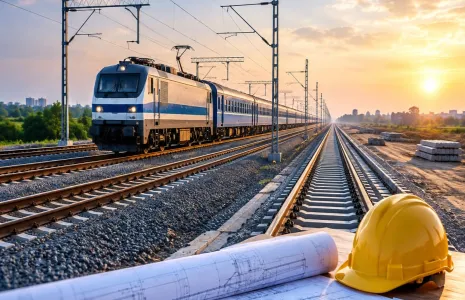
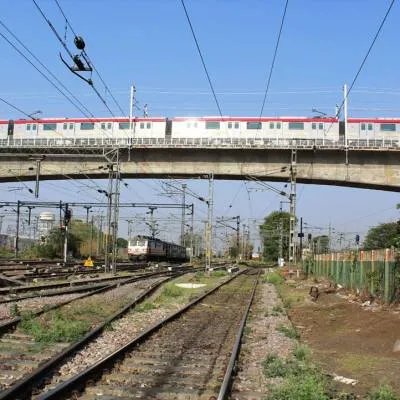
The government plans to invest Rs 450 bn to upgrade railways along borders with China, Pakistan and Bangladesh, the press release said. The programme will run over 18 to 24 months and will finance new tracks, platforms and network strengthening across Punjab, West Bengal, Himachal Pradesh, Rajasthan, Assam and several northeastern states. That is about $4.7 bn.

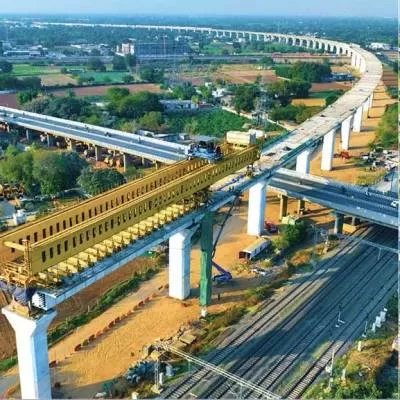
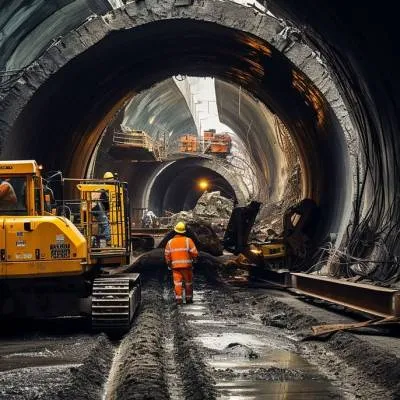
Officials indicated the initiative represents nearly 22 per cent of all railway infrastructure outlay planned over the next two years and is among the most significant strategic infrastructure pushes in recent years. The plan extends beyond earlier commitments for northeastern rail lines and aims to build bridges and tunnels where required to improve capacity and resilience.

The investment is intended to deliver dual-use infrastructure that serves civilian needs and supports military logistics, thereby reducing troop mobilisation times and improving supply line redundancy in vulnerable frontiers. Areas of focus include the Himalayas, the Siliguri Corridor and other frontier approaches where all-weather connectivity has been limited.

The ministry has been prioritising connectivity in sensitive zones, having recently completed major road and bridge projects and inaugurated high-altitude rail links. The northeast has seen substantial rail additions over the past decade, while airside facilities such as advance landing grounds have been reactivated to support rotary and fixed wing operations.

Observers noted that regional rivals have accelerated their own logistics build-outs, prompting a reassessment of strategic transport planning. The programme is expected to improve economic access in historically underdeveloped border districts while enhancing operational flexibility for defence planners.

Implementation will involve upgrades to signalling, track modernisation and capacity enhancements while coordinating with defence agencies to ensure interoperability. The projects will prioritise all-weather durability and freight capacity as well as local connectivity improvements aimed at stimulating economic activity and delivering longer-term resilience for communities in frontier regions.

The government plans to invest Rs 450 bn to upgrade railways along borders with China, Pakistan and Bangladesh, the press release said. The programme will run over 18 to 24 months and will finance new tracks, platforms and network strengthening across Punjab, West Bengal, Himachal Pradesh, Rajasthan, Assam and several northeastern states. That is about $4.7 bn. Officials indicated the initiative represents nearly 22 per cent of all railway infrastructure outlay planned over the next two years and is among the most significant strategic infrastructure pushes in recent years. The plan extends beyond earlier commitments for northeastern rail lines and aims to build bridges and tunnels where required to improve capacity and resilience. The investment is intended to deliver dual-use infrastructure that serves civilian needs and supports military logistics, thereby reducing troop mobilisation times and improving supply line redundancy in vulnerable frontiers. Areas of focus include the Himalayas, the Siliguri Corridor and other frontier approaches where all-weather connectivity has been limited. The ministry has been prioritising connectivity in sensitive zones, having recently completed major road and bridge projects and inaugurated high-altitude rail links. The northeast has seen substantial rail additions over the past decade, while airside facilities such as advance landing grounds have been reactivated to support rotary and fixed wing operations. Observers noted that regional rivals have accelerated their own logistics build-outs, prompting a reassessment of strategic transport planning. The programme is expected to improve economic access in historically underdeveloped border districts while enhancing operational flexibility for defence planners. Implementation will involve upgrades to signalling, track modernisation and capacity enhancements while coordinating with defence agencies to ensure interoperability. The projects will prioritise all-weather durability and freight capacity as well as local connectivity improvements aimed at stimulating economic activity and delivering longer-term resilience for communities in frontier regions.

Related Stories

Gold Stories

Next Story
Building Material

Hard Worker Wins Three Honours at Kyoorius Design Awards

The Ramco Cements Limited’s construction chemicals brand, Hard Worker, has won three honours at the Kyoorius Design Awards 2026, including the Grand Prix – Grey Elephant in the Design in Action category.The brand also secured two Blue Elephant honours, one for Design in Action and another for Packaging, recognising the design approach behind its brand identity and packaging.Launched in 2025, Hard Worker entered the construction chemicals segment with the brand promise, “Hard-working products for hardworking people.” Its visual identity uses animals and birds to represent product benefi..

Next Story
Infrastructure Transport

Kopri-Patni Creek Bridge to Improve Thane-Navi Mumbai Connectivity

Road connectivity between Thane and Navi Mumbai is set to receive a boost with the proposed six-lane Kopri-Patni Creek Bridge, which will provide a new route across Thane Creek. The project is intended to create a direct link between the two urban centres and add capacity to the region’s road network. The bridge will connect Kopri in Thane East with Patni in Navi Mumbai. It will begin at Mith Bandar Road in Kopri, about 750 metres from Thane railway station, cross Thane Creek and land near Airoli Knowledge City Road in Navi Mumbai. The project has advanced with Akshya Infra Projects emerging..

Next Story
Infrastructure Urban

Bengaluru Cuts Unaccounted-for Water to 26.5 Per Cent

The Bengaluru Water Supply and Sewerage Board (BWSSB) has reduced unaccounted-for water from nearly 51 per cent in 2013 to 26.5 per cent in 2025, improving efficiency across a metropolitan region of 14 mn people. The reduction has saved nearly 200 mn litres of water a day without requiring equivalent additional capacity. Bengaluru depends primarily on the Cauvery river system, with water transported over 100 km to the city. BWSSB operates six major treatment plants with combined installed capacity of 2,293 MLD and supplies nearly 150 litres per person per day. The Cauvery Water Supply Scheme S..

Advertisement

Subscribe to Our Newsletter

Get daily newsletters around different themes from Construction world.

STAY CONNECTED

Advertisement

SPECIAL OFFER
QR Code