+
GST Council May Add Metro Rail to E-Way Bill Rules
RAILWAYS & METRO RAIL

GST Council May Add Metro Rail to E-Way Bill Rules

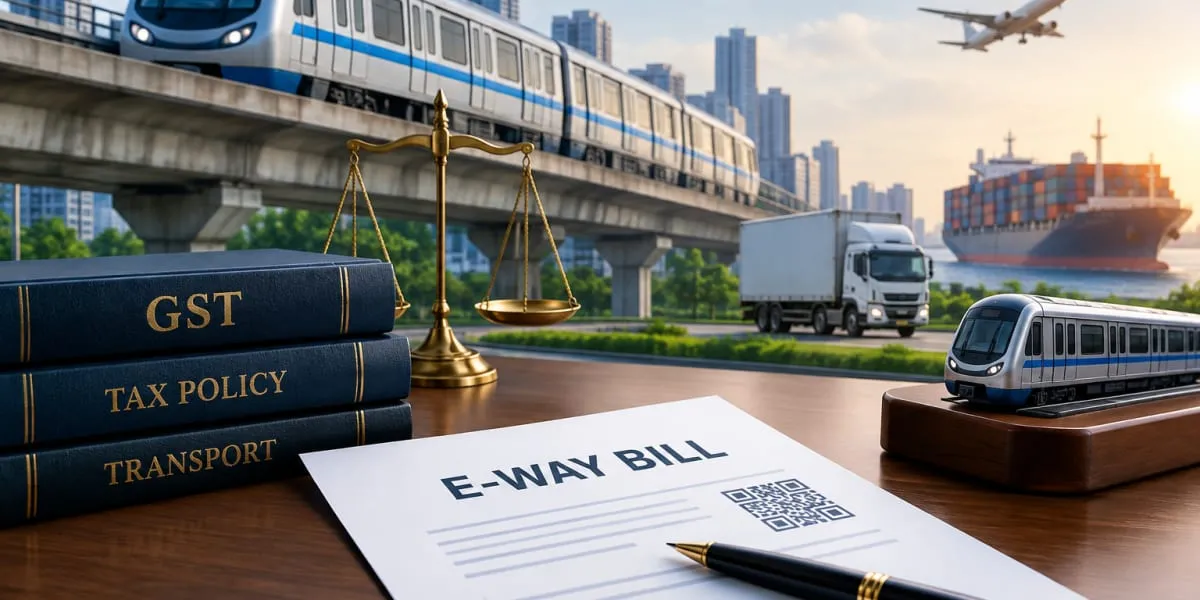
The GST Council is scheduled to consider proposals on October 7 to include metro rail among the transport modes covered by e-way bill rules and to classify permanent transfers of intellectual property rights (IPR) as supplies of services. The Law Committee has recommended both changes as part of a broader set of proposals.

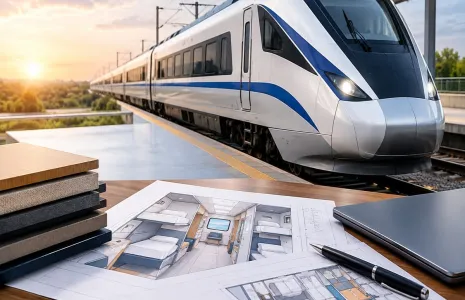
Under the existing Goods and Services Tax framework, goods transported by rail, air or vessel above the prescribed threshold generally require an e-way bill. However, GST rules do not define the term railways, while metro systems such as Delhi Metro Rail Corporation are legally separate from Indian Railways. Explicitly naming metro rail could address compliance and operational difficulties for operators and businesses using metro networks to move cargo.

Delhi Metro Rail Corporation has planned a pilot for depot-to-depot cargo movement through Urban Freight Services, using the metro network for middle-mile connectivity. The current e-way bill portal is designed around Indian Railways and does not adequately support goods transported through metro systems, creating difficulties for the proposed pilot. The clarification could also assist metro systems in other cities that are exploring freight services.

The Council may also examine the GST treatment of permanent IPR transfers. Such transfers are currently notified as taxable supplies of both goods and services, but the absence of a distinct tariff classification has created uncertainty. The Law Committee has proposed treating both temporary and permanent IPR transfers as supplies of services.

The proposed approach could clarify the treatment of cross-border IPR transactions. Permanent transfers from overseas recipients into India could be taxed as imports of services, while transfers to recipients outside India could qualify as exports of services, allowing zero-rated treatment and refunds of unutilised input tax credit without goods-export documentation. For businesses, including MSMEs using metro networks for urban cargo, the changes could reduce procedural uncertainty. An e-way bill is generally required under Rule 138 of the Central Goods and Services Tax Rules for consignments valued above Rs. 50,000, subject to applicable exceptions and state-level provisions.

The GST Council is scheduled to consider proposals on October 7 to include metro rail among the transport modes covered by e-way bill rules and to classify permanent transfers of intellectual property rights (IPR) as supplies of services. The Law Committee has recommended both changes as part of a broader set of proposals. Under the existing Goods and Services Tax framework, goods transported by rail, air or vessel above the prescribed threshold generally require an e-way bill. However, GST rules do not define the term railways, while metro systems such as Delhi Metro Rail Corporation are legally separate from Indian Railways. Explicitly naming metro rail could address compliance and operational difficulties for operators and businesses using metro networks to move cargo. Delhi Metro Rail Corporation has planned a pilot for depot-to-depot cargo movement through Urban Freight Services, using the metro network for middle-mile connectivity. The current e-way bill portal is designed around Indian Railways and does not adequately support goods transported through metro systems, creating difficulties for the proposed pilot. The clarification could also assist metro systems in other cities that are exploring freight services. The Council may also examine the GST treatment of permanent IPR transfers. Such transfers are currently notified as taxable supplies of both goods and services, but the absence of a distinct tariff classification has created uncertainty. The Law Committee has proposed treating both temporary and permanent IPR transfers as supplies of services. The proposed approach could clarify the treatment of cross-border IPR transactions. Permanent transfers from overseas recipients into India could be taxed as imports of services, while transfers to recipients outside India could qualify as exports of services, allowing zero-rated treatment and refunds of unutilised input tax credit without goods-export documentation. For businesses, including MSMEs using metro networks for urban cargo, the changes could reduce procedural uncertainty. An e-way bill is generally required under Rule 138 of the Central Goods and Services Tax Rules for consignments valued above Rs. 50,000, subject to applicable exceptions and state-level provisions.

Related Stories

Gold Stories

Next Story
Building Material

Cement Prices Rise Rs. 7 per Bag in September; October Hikes Expected

Cement companies may seek to raise prices by Rs. 5 to Rs. 20 per bag across most markets in October, although the ability to sustain the increases will depend on demand recovery and dealer acceptance, according to a report by Centrum Broking. The outlook follows a pickup in pricing momentum during September after largely stable prices in July and August. The all-India average trade price increased by Rs. 7 per bag month-on-month to Rs. 356 in September. Centrum Broking’s channel checks indicated gains across both trade and non-trade segments, with non-trade prices recording sharper increases..

Next Story
Products

Minister G Kishan Reddy Says No Coal Shortage Despite Higher Power Demand

Union Coal and Mines Minister G Kishan Reddy said India was not facing a coal shortage despite higher demand from thermal power plants, monsoon-related disruptions in mining operations and lower hydropower generation. He said coal was being supplied to power stations through railway rakes and road transport. Reddy made the remarks on Monday on the sidelines of the Assocham-organised Angul Aluminium Roadshow in Kolkata. His comments came amid reports of alleged supply constraints at some power plants, although he said the temporary interruptions should not be interpreted as a broader shortage. ..

Next Story
Infrastructure Energy

Bondada Engineering Secures Rs. 1.47 bn in Multiple Orders

Bondada Engineering has secured multiple domestic orders with an aggregate value of Rs. 1.47 bn, the company disclosed in a filing with BSE on September 29, 2026. The orders cover telecom infrastructure, renewable energy and energy-efficient lighting solutions, and are inclusive of taxes. Bondada Green Engineering, a subsidiary of Bondada Engineering, received an order for the supply of 200 telecom towers under the BSNL 40GBT project in Gujarat. The award forms part of the company’s telecom infrastructure business and is linked to requirements in the state. Bondada Renewable Energy, another ..

Advertisement

Subscribe to Our Newsletter

Get daily newsletters around different themes from Construction world.

STAY CONNECTED

Advertisement

SPECIAL OFFER
QR Code