Indian Railways Becomes World's Second Most Electrified Network
RAILWAYS & METRO RAIL

Indian Railways Becomes World's Second Most Electrified Network

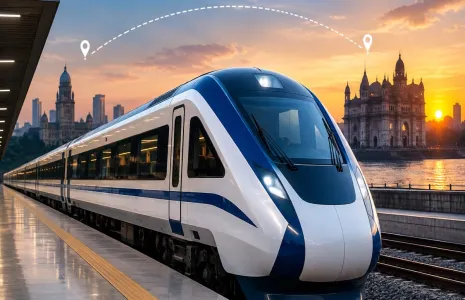
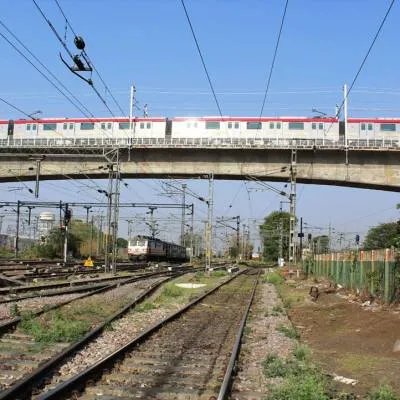
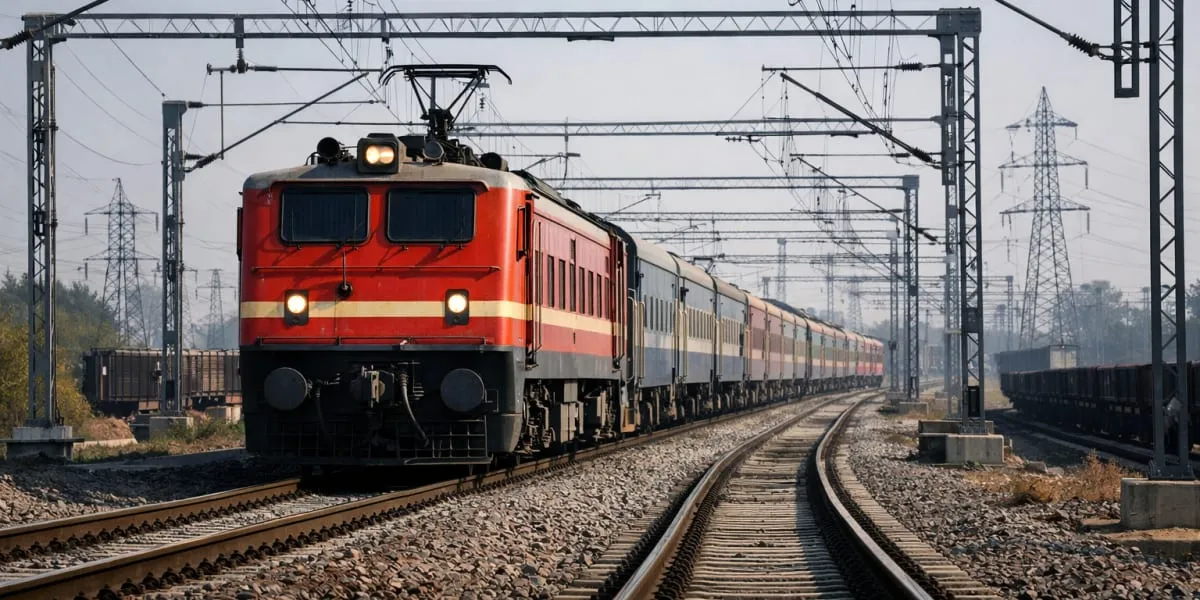
Indian Railways reached 99.6 per cent electrification of its broad gauge network as of 22 July 2026, placing the system as the world's second most electrified large railway network after Switzerland, which retains 100 per cent electrification. The Union Railway Minister Ashwini Vaishnaw placed the consolidated data before the Lok Sabha on that date, underlining the progress of a sustained national programme to expand electric traction across trunk routes, branch lines and freight corridors.

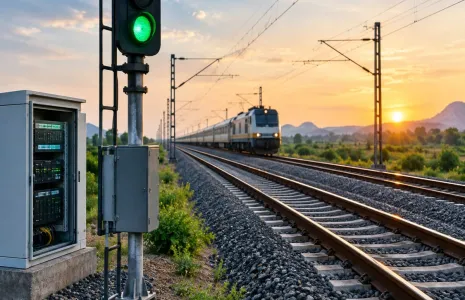
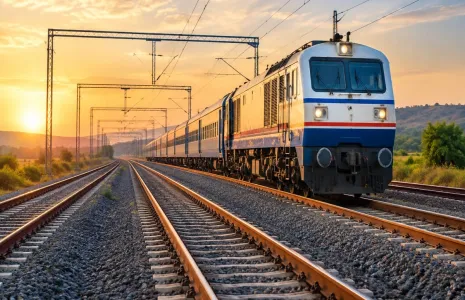
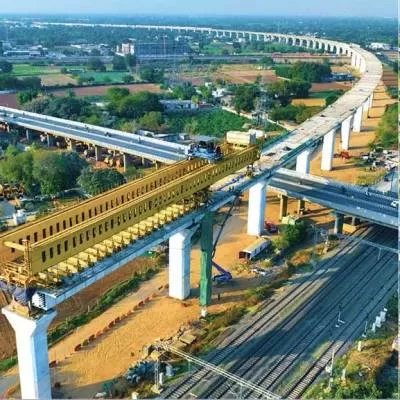
Railway electrification denotes the use of electric traction for train operations through overhead equipment or other supply systems, and Indian Railways has advanced this infrastructure under a phased networkwide programme that now requires integrated electrification for all new line and multitracking projects. Between 2014 and 2026 Indian Railways electrified 48,072 route kilometres, while in the six decades prior to 2014 it had completed 21,801 route kilometres, reflecting a substantial acceleration in pace. The focus has included major divisions and dedicated freight corridors.

The energy transition has been marked by a sharp reduction in diesel use for traction, with consumption falling from 2,930 million (mn) litres in 2015-16 to 1,080 mn litres in 2024-25, a drop of approximately 1,850 mn litres that has lowered dependence on imported fuel for railway operations. Rail transport offers a significantly lower carbon intensity than road haulage, emitting about 89 per cent less carbon dioxide per tonne-kilometre. Indian Railways has also intensified measures to support low carbon operations.

By June 2026 the authority had commissioned over 1,260 megawatt (MW) of renewable energy capacity, comprising about 1,161 MW of solar power and 103 MW of wind power to support traction and station requirements. The accelerated electrification drive and on-site renewable capacity are intended to enhance energy security, reduce operating emissions and support passenger and freight modernisation. International comparisons place China at 82 per cent electrification, Spain at 67 per cent, Japan at 64 per cent, France at 60 per cent and the United Kingdom at 39 per cent.

Indian Railways reached 99.6 per cent electrification of its broad gauge network as of 22 July 2026, placing the system as the world's second most electrified large railway network after Switzerland, which retains 100 per cent electrification. The Union Railway Minister Ashwini Vaishnaw placed the consolidated data before the Lok Sabha on that date, underlining the progress of a sustained national programme to expand electric traction across trunk routes, branch lines and freight corridors. Railway electrification denotes the use of electric traction for train operations through overhead equipment or other supply systems, and Indian Railways has advanced this infrastructure under a phased networkwide programme that now requires integrated electrification for all new line and multitracking projects. Between 2014 and 2026 Indian Railways electrified 48,072 route kilometres, while in the six decades prior to 2014 it had completed 21,801 route kilometres, reflecting a substantial acceleration in pace. The focus has included major divisions and dedicated freight corridors. The energy transition has been marked by a sharp reduction in diesel use for traction, with consumption falling from 2,930 million (mn) litres in 2015-16 to 1,080 mn litres in 2024-25, a drop of approximately 1,850 mn litres that has lowered dependence on imported fuel for railway operations. Rail transport offers a significantly lower carbon intensity than road haulage, emitting about 89 per cent less carbon dioxide per tonne-kilometre. Indian Railways has also intensified measures to support low carbon operations. By June 2026 the authority had commissioned over 1,260 megawatt (MW) of renewable energy capacity, comprising about 1,161 MW of solar power and 103 MW of wind power to support traction and station requirements. The accelerated electrification drive and on-site renewable capacity are intended to enhance energy security, reduce operating emissions and support passenger and freight modernisation. International comparisons place China at 82 per cent electrification, Spain at 67 per cent, Japan at 64 per cent, France at 60 per cent and the United Kingdom at 39 per cent.

Next Story
Technology

AI-Enabled Workflows Lift Profitability and Productivity

Organisations modernising frontline workflows with artificial intelligence, automation and real-time data are reporting stronger financial performance, higher productivity and improved employee engagement, according to a global study by Zebra Technologies and Oxford Economics.The research covered 1,000 senior leaders across retail, manufacturing, transportation and logistics in the US, Mexico, the UK, Germany, India, Japan, Australia and New Zealand.In transportation and logistics, 54 per cent of companies that improved picking and packing operations reported faster operational performance, wh..

Next Story
Real Estate

India Leads Global AI Readiness but Implementation Lags

Indian companies lead global averages across all eight artificial intelligence readiness indicators tracked by JLL, but only 19 per cent have started making changes to their workplaces, according to the JLL 2026 Future of Work Survey.The study found that 77 per cent of Indian business leaders expect AI to change their office requirements, creating a 58-percentage-point gap between awareness and implementation. The survey covered more than 2,200 CEOs, CFOs and real estate leaders across 21 countries during the first quarter of 2026.Despite concerns over automation, 58 per cent of Indian leaders..

Next Story
Equipment

Three WOLFF Cranes Build Riyadh Cable-Stayed Bridges

Three WOLFF 180 B luffing jib cranes are supporting the construction of two cable-stayed bridges alongside the existing Wadi Laban Bridge in Riyadh, Saudi Arabia. The project is being developed for the Royal Commission for Riyadh City and executed by the ICRC joint venture comprising IC Ictas and Al Rashid Trading & Contracting Company.The cranes are handling lifting operations including formwork, reinforcement, concrete placement, work platforms, surveying equipment and other construction materials. Each crane is fitted with a 40 m jib, reaches a hook height of 157 m and offers a maximum ..

Advertisement

Subscribe to Our Newsletter

Get daily newsletters around different themes from Construction world.

STAY CONNECTED

Advertisement

Advertisement

Advertisement