Indian Railways Reform Push Could Transform Infrastructure Delivery
RAILWAYS & METRO RAIL

Indian Railways Reform Push Could Transform Infrastructure Delivery

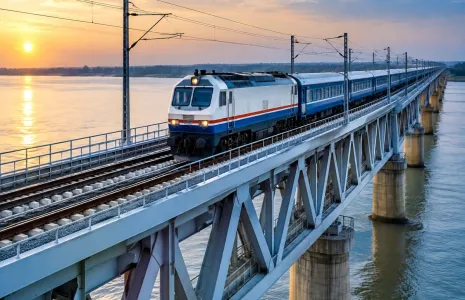
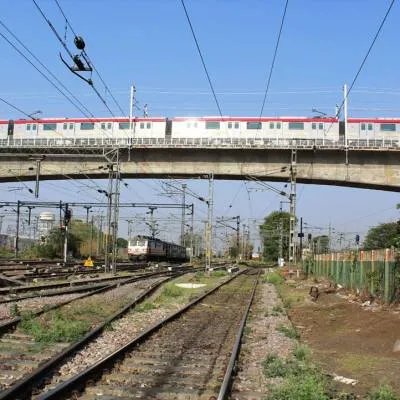
The Centre has unveiled a reform package for Indian Railways aimed at accelerating infrastructure delivery, improving freight efficiency and strengthening the logistics backbone to support sustained economic growth. The measures seek to reduce delays, optimise asset utilisation and enhance the competitiveness of rail for cargo movement, thereby supporting manufacturing, exports and overall supply chain resilience. These reforms align with the PM Gati Shakti programme and signal a renewed focus on faster project delivery as a means of unlocking long?term benefits for the economy.

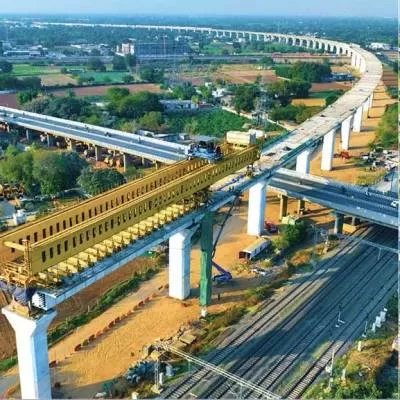
The package concentrates on speeding approvals, reinforcing project monitoring and increasing implementation accountability through clearer timelines and performance metrics. Planned steps include faster land acquisition, wider deployment of digital project management systems and closer coordination among ministries and agencies to prevent administrative bottlenecks that delay work. The Union Budget 2026–27 reiterated a priority for capital investment in rail infrastructure, underlining the commitment to upgrading tracks, stations, signalling and freight corridors.

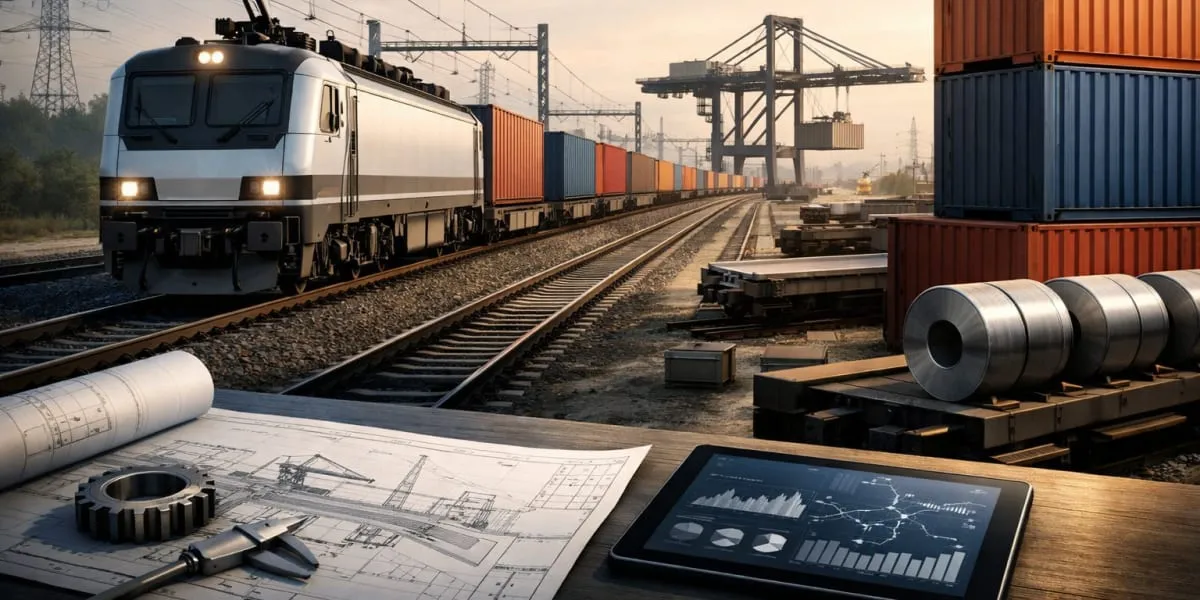
A sharper emphasis on freight infrastructure is expected to expand network capacity while reducing pressure on passenger services and road congestion. Construction of Dedicated Freight Corridors and the development of cargo terminals and multimodal logistics parks will facilitate a shift of bulk traffic from road to rail, which is more energy efficient and cost effective for commodities such as coal, cement, steel, foodgrains and container freight. Over time, improved rail logistics should help lower the share of logistics cost in GDP by shortening transit times and cutting transport expenses for firms.

Enhanced connectivity to industrial hubs, ports and mining areas should spur private investment in manufacturing and warehousing by improving predictability and lowering costs, producing multiplier effects across sectors through increased demand, employment and productivity. Indian Railways, one of the largest rail systems globally, transports in excess of 1.5 billion (bn) tonnes (t) of freight each year and derives roughly two?thirds of its income from freight operations. The reform package is expected to accelerate project execution, boost freight capacity and add durable value to the sector’s contribution to India’s growth strategy.

"Join industry leaders at RAHSTA Expo, India's premier platform for roads, highways and traffic infrastructure. Register now to explore innovations, network with experts and shape the future of mobility."

The Centre has unveiled a reform package for Indian Railways aimed at accelerating infrastructure delivery, improving freight efficiency and strengthening the logistics backbone to support sustained economic growth. The measures seek to reduce delays, optimise asset utilisation and enhance the competitiveness of rail for cargo movement, thereby supporting manufacturing, exports and overall supply chain resilience. These reforms align with the PM Gati Shakti programme and signal a renewed focus on faster project delivery as a means of unlocking long?term benefits for the economy. The package concentrates on speeding approvals, reinforcing project monitoring and increasing implementation accountability through clearer timelines and performance metrics. Planned steps include faster land acquisition, wider deployment of digital project management systems and closer coordination among ministries and agencies to prevent administrative bottlenecks that delay work. The Union Budget 2026–27 reiterated a priority for capital investment in rail infrastructure, underlining the commitment to upgrading tracks, stations, signalling and freight corridors. A sharper emphasis on freight infrastructure is expected to expand network capacity while reducing pressure on passenger services and road congestion. Construction of Dedicated Freight Corridors and the development of cargo terminals and multimodal logistics parks will facilitate a shift of bulk traffic from road to rail, which is more energy efficient and cost effective for commodities such as coal, cement, steel, foodgrains and container freight. Over time, improved rail logistics should help lower the share of logistics cost in GDP by shortening transit times and cutting transport expenses for firms. Enhanced connectivity to industrial hubs, ports and mining areas should spur private investment in manufacturing and warehousing by improving predictability and lowering costs, producing multiplier effects across sectors through increased demand, employment and productivity. Indian Railways, one of the largest rail systems globally, transports in excess of 1.5 billion (bn) tonnes (t) of freight each year and derives roughly two?thirds of its income from freight operations. The reform package is expected to accelerate project execution, boost freight capacity and add durable value to the sector’s contribution to India’s growth strategy.

Next Story
Infrastructure Transport

Uttar Pradesh Accelerates National Highway Projects

Uttar Pradesh Chief Minister Yogi Adityanath met Union Road Transport and Highways Minister Nitin Gadkari to review National Highway and road infrastructure projects. Officials from the National Highways Authority of India presented progress updates and proposals. Ministers directed acceleration of land acquisition, forest clearances, utility shifting and other formalities to expedite delivery. Officials said that since 2014 about 10,204 kilometres of National Highway projects have been awarded and nearly 9,329 kilometres completed, with 606 kilometres approved and 1,010 kilometres completed b..

Next Story
Infrastructure Transport

NHAI Completes Repairs at 33 of 40 Spots Along Gurugram NH-48

The National Highways Authority of India has rectified 33 of 40 deficient locations along an 11km stretch of the Delhi–Gurugram NH-48 corridor, following a joint inspection by the authority, the Municipal Corporation of Gurugram and the Gurugram Metropolitan Development Authority. The audit identified damaged footpaths, crash barriers, inadequate lane markings and poor sanitation at multiple points between Rajiv Chowk and Signature Towers. Repairs and maintenance works have been carried out over May and June as part of the exercise. The report noted broken crash barriers and roadside litteri..

Next Story
Infrastructure Urban

Mankhurd Maharashtra Nagar Flyover To Open By August 2027

The Brihanmumbai Municipal Corporation has said the Mankhurd-Maharashtra Nagar flyover will be operational by August 2027, as part of measures to ease congestion in the eastern suburbs. The structure will provide a direct link from the T Junction on the Sion-Panvel highway to the existing Ghatkopar-Mankhurd Link Road. The T Junction is one of the major traffic choke points in the eastern suburbs and records heavy flows of vehicles travelling to and from Navi Mumbai and Pune. Motorists currently spend more than 15 minutes at the signal during peak periods, according to civic data, prompting the..

Advertisement

Subscribe to Our Newsletter

Get daily newsletters around different themes from Construction world.

STAY CONNECTED

Advertisement

Advertisement

Advertisement